Why Fun is an Underrated Aspect of Leadership

Leadership, a word comprising many characteristics and traits, is likely one of the broadest words in the English language. People have been studying the concept of leadership for some time and it would be hard to come up with a definitive definition of what leadership truly is. What the word means to each individual may differ and include varying aspects of teamwork, culture, management, communication, motivation, guidance, authority, control, etc. Recently I have been thinking about leadership characteristics more and more in my everyday life, constantly reflecting as to how I can be better within my professional role as a Technical Leader of a soccer club. In my reflections, I have come to the realization that just about everything, every aspect of being a good leader, centers around inspiring others to have fun. Simultaneously, I think this has likely been under-appreciated in the research and literature surrounding the concept of leadership, in favour of other buzzwords like "guidance", "influence" and "power" that are also too broad. Here is why fun is so important to leadership, and likely an underrated aspect when considering what makes someone a "good leader."
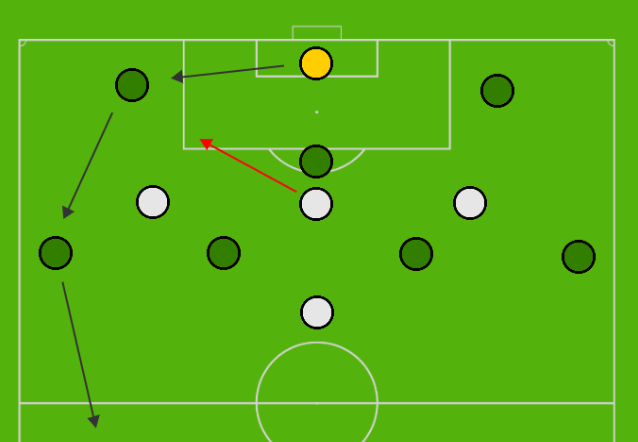
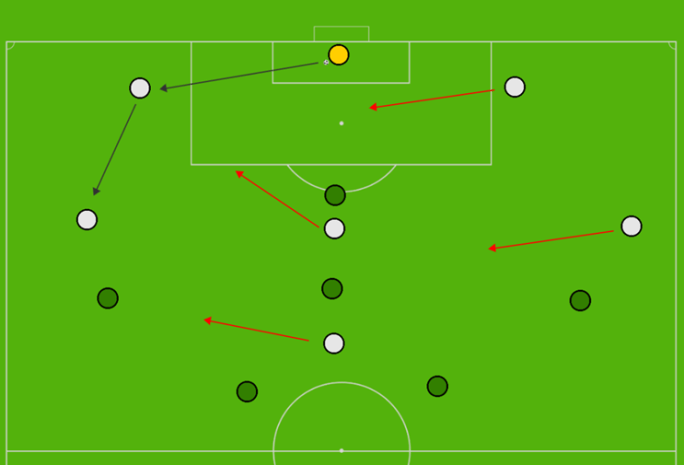
Playing Out From The Back – Session Plan & Coaching Points (2020 Edition)

Playing out from the back is one of the most important elements of the modern game. Not only is it better for development than kicking it long, it is also easier and allows a team fewer risks at losing the ball. As a result, coaches of any age group should be looking to teach players young and old the necessary steps of playing out from the back. In order to help guide these coaches, we introduce a brand new session all about playing out from the back, for youth teams of any age.

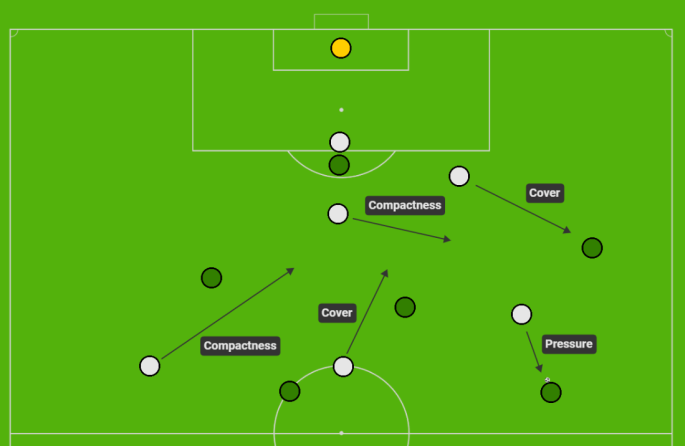
Pressing From The Front – Session Plan & Key Coaching Points

Pressing from the front is one of the most important elements of the modern game. As opposed to a low-block and allowing the opposition time and space to play out from the back, almost every professional team in existence presses high up the pitch, vigorously and rigorously in an attempt to win the ball back and go on the attack right away, closer to the opposition’s goal. As a result, coaches of any age group should be looking to teach players young and old the necessary steps to win the ball back high up the field through putting pressure on their opposition. In order to help guide these coaches, we examine some of the most basic elements of pressing from the front through a session plan all about this essential topic.

Coaching 9v9 Soccer – Ebook (1st Ed.)

9v9 is one of the most exciting stages in the development of young players and can often be the first time they are truly able to understand positioning, formations and how to play to the strengths of their teammates. This Ebook gives coaches an opportunity to learn all the in's and out's of coaching 9v9, including tactics, formations, and game management.

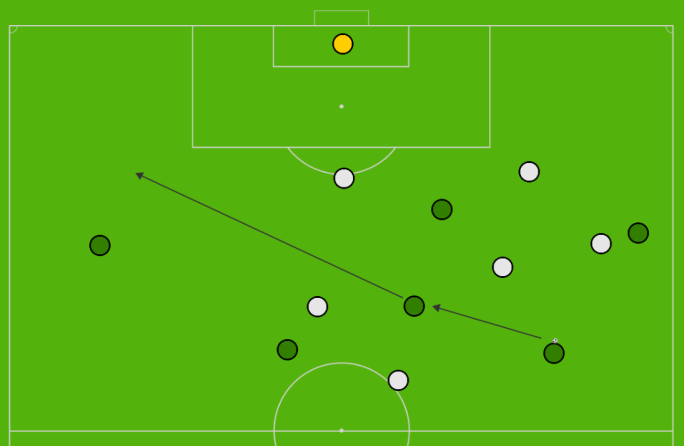
Switching Play – The Basics

Although youth players generally don't have the capability to switch play all the way from one end of the field to the other, changing the point of the attack is a crucial element to any format of the game and essential for coaches to teach to their players. It doesn't matter how old they are, players will always try to go into pressure when they can simply change direction and try to switch play to the other side. Here are the basics of Switching Play, in the quest to help coaches translate the necessary elements of the tactic to their players.

Defensive Transitions – The Basics

Transitional moments are an understated, underrated and under-coached part of the modern game. How a team sets up after winning or losing the ball can make or break a team. As a result, today we dissect the basics of defensive transitions. Defensive transitions can be defined as the moment of time between a loss of possession and setting up to win the ball back right away. In more complex terms, it involves the reshaping and restructuring of the team to set up and defend. Although the notion of tactical fouling is technically a tactical approach to a defensive transition, this article will explore how to win the ball back after losing it, and how to set up immediately to stop a goal from going in. This is Defensive Transitions - The Basics.

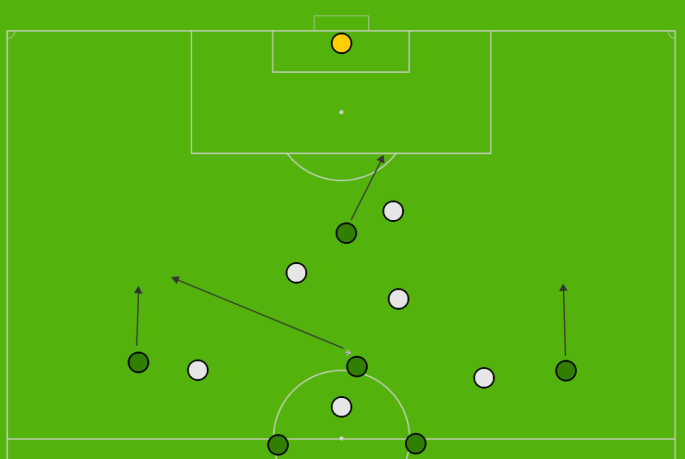
Attacking Transitions – The Basics

Transitional moments are an understated, underrated and under-coached part of the modern game. How a team sets up after winning or losing the ball can make or break a team. As a result, today we dissect the basics of attacking transitions. Attacking transitions can be defined as the moment of time between gaining possession and going on the attack right away. In more complex terms, it is the reshaping and restructuring of the team to set up for the attack after winning the ball. Attacking transitions are also closely connected to the concept of counter attacking. Integral elements to attacking transitions include the decision of when to dribble vs. when to pass, width, verticality and speed. In this article, we will touch on all of these aspects, with example diagrams to a team's first introduction to transitions at the 7v7 stage, playing 2-3-1.

Playing Out From The Back – The Basics

Playing out from the back is one of the most important elements of the modern game. Not only is it better for development than kicking it long, it is also easier and allows a team fewer risks at losing the ball. As a result, coaches of any age group should be looking to teach players young and old the necessary steps of playing out from the back. In order to help guide these coaches, we take a look at some of the most basic elements of playing out from the back, with example diagrams from a 7v7 team playing 2-3-1.