
Chapter nine details how athlete's make decisions on the field, and the range of factors that go into harnessing optimal athlete decision making.
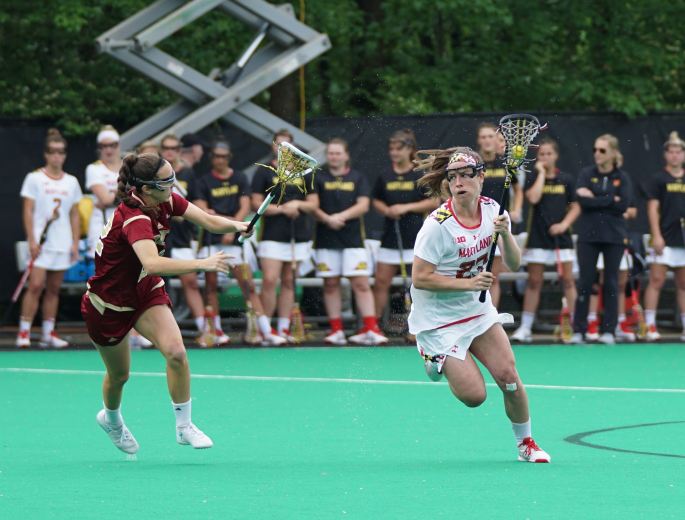
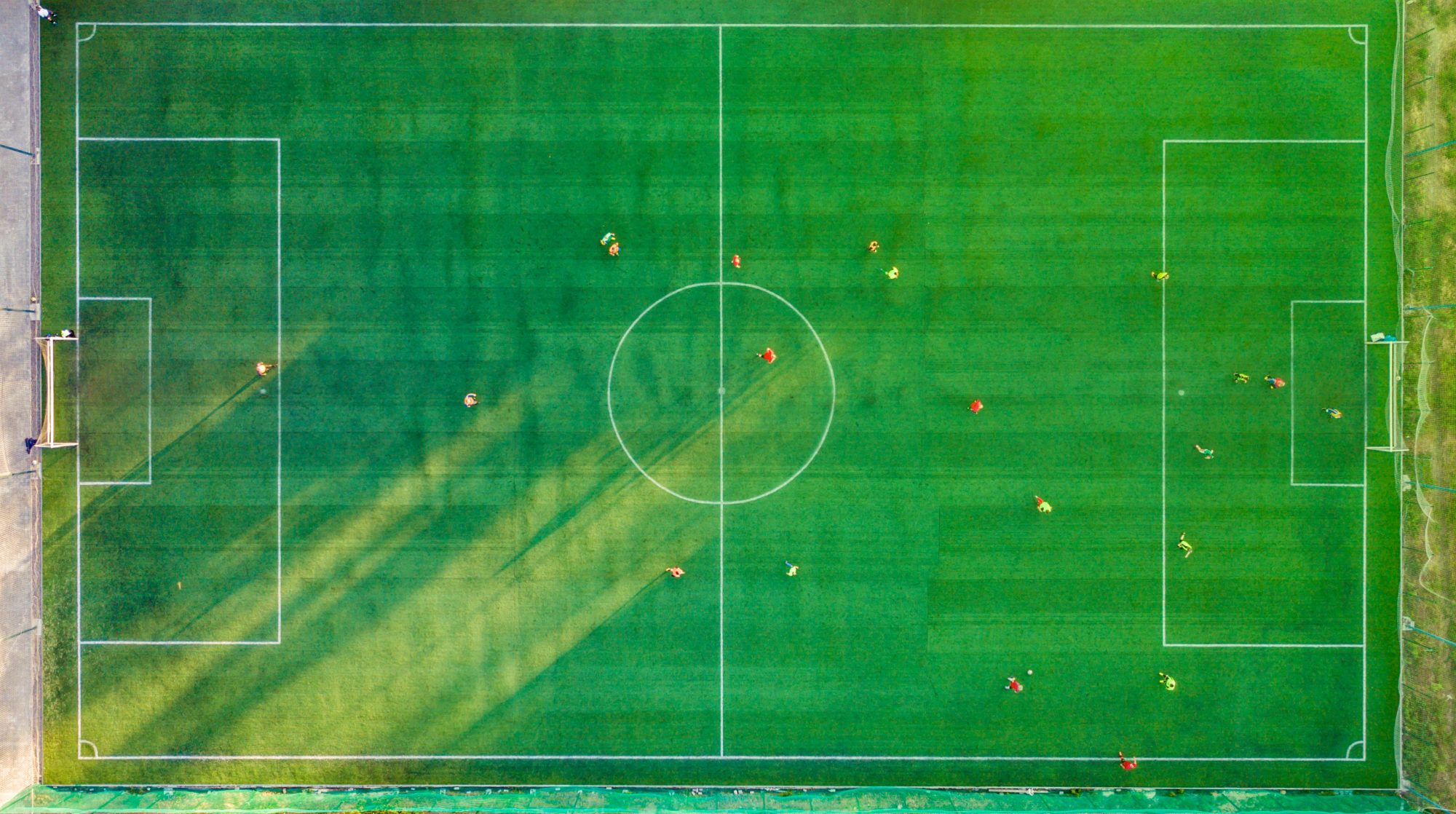
Chapter nine details how athlete's make decisions on the field, and the range of factors that go into harnessing optimal athlete decision making.
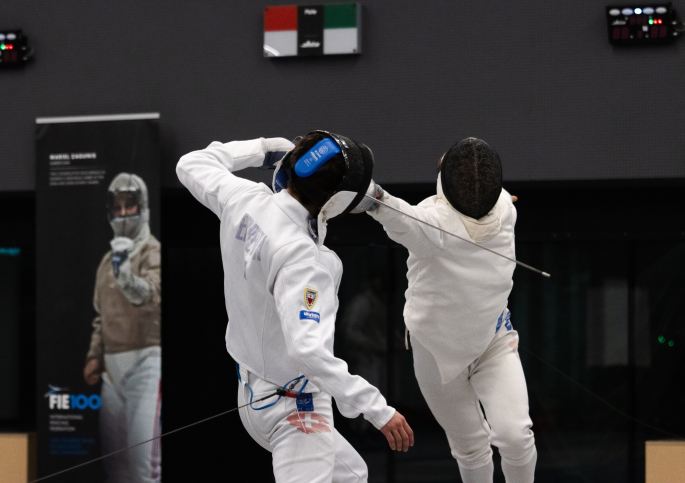
Chapter eight takes you through how to facilitate challenging & fun sessions for your players, keeping your learning outcomes and principles of play in mind.
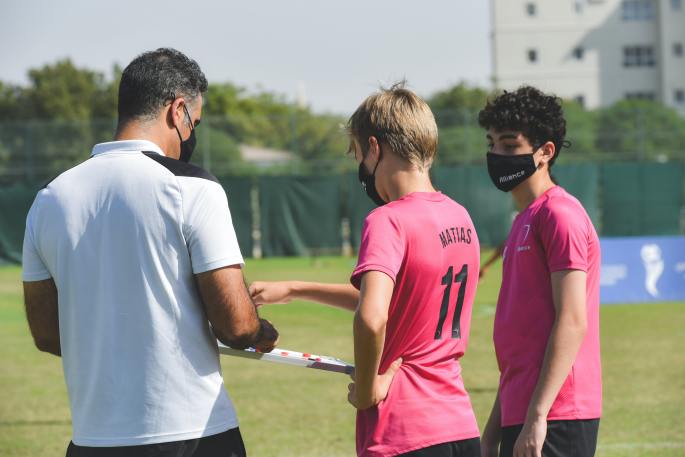
This chapter takes you through how to develop optimal sport-specific, game-realistic sessions to support athlete development and long-term growth.

This chapter details why a games-based learning approach is the most beneficial methodology for long-term athlete development.

Leadership is a process that not only involves you having influence over groups or individuals, but as those same individuals or groups having influence over you. You cannot thrive as a leader without your followers also inspiring you to reach your true potential. This is precisely why we must create an athlete-centered approach to the environments we build when coaching.
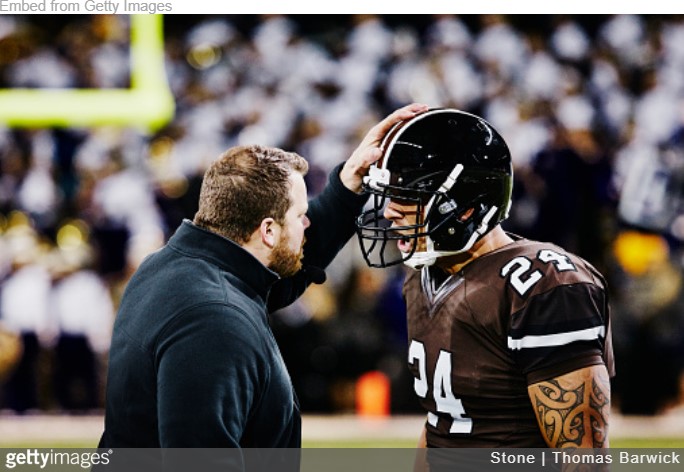
You cannot create a positive culture for your athletes if you cannot create a positive mindset for yourself. They will see right through you. They won't buy into what you're putting down. They won't trust that your coaching will lead them to success.
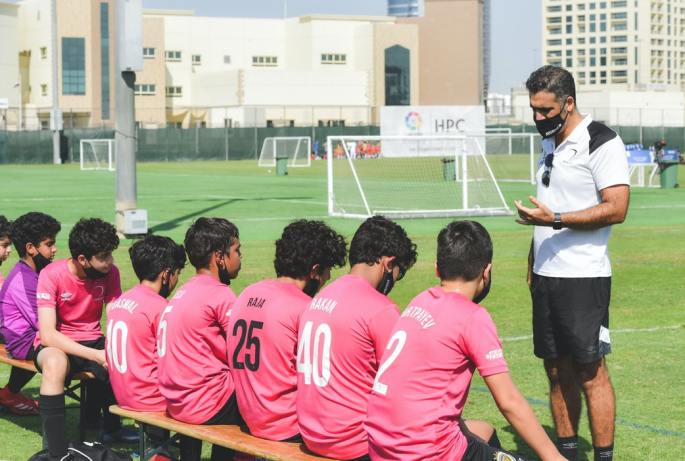
ictorious, gain the title of a champion and achieve the type of success they want to reach. So with that, here are some of the vital characteristics of a thriving football team.
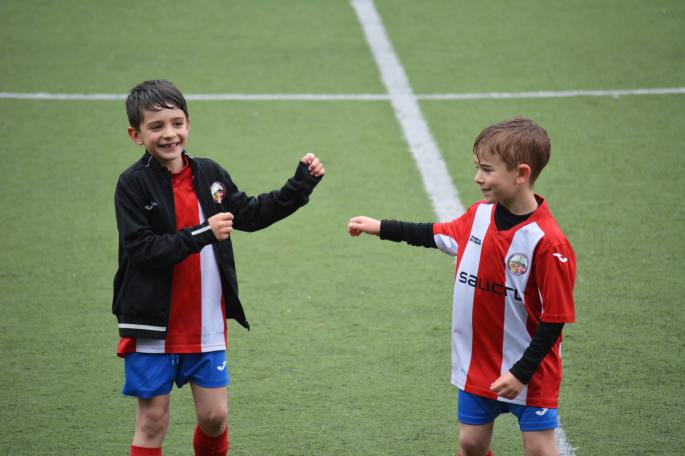
Leadership, a word comprising many characteristics and traits, is likely one of the broadest words in the English language. People have been studying the concept of leadership for some time and it would be hard to come up with a definitive definition of what leadership truly is. What the word means to each individual may differ and include varying aspects of teamwork, culture, management, communication, motivation, guidance, authority, control, etc. Recently I have been thinking about leadership characteristics more and more in my everyday life, constantly reflecting as to how I can be better within my professional role as a Technical Leader of a soccer club. In my reflections, I have come to the realization that just about everything, every aspect of being a good leader, centers around inspiring others to have fun. Simultaneously, I think this has likely been under-appreciated in the research and literature surrounding the concept of leadership, in favour of other buzzwords like "guidance", "influence" and "power" that are also too broad. Here is why fun is so important to leadership, and likely an underrated aspect when considering what makes someone a "good leader."
 TheMastermindSite