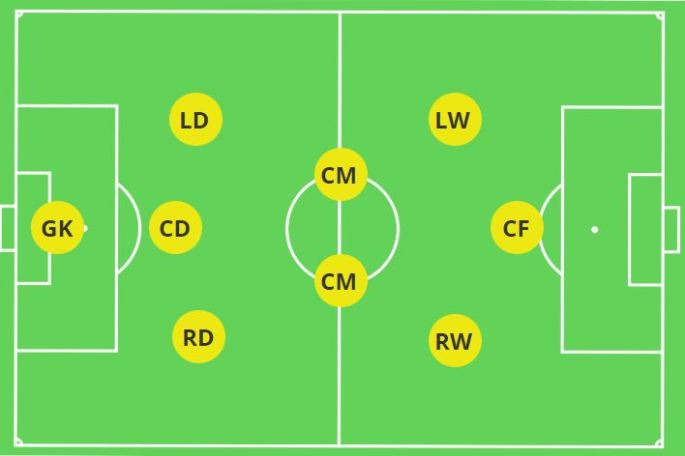
9v9 is one of the most exciting stages in the development of young players and can often be the first time they are truly able to understand positioning, formations and how to play to the strengths of their teammates. This Ebook gives coaches an opportunity to learn all the in's and out's of coaching 9v9, including tactics, formations, and game management.
Tag: Tactics
Best Formations for 9v9 (Podcast Episode)
9v9 is one of the most exciting stages in the development of young players and can often be the first time they are truly able to understand positioning, formations and how to play to the strengths of their teammates. This audio podcast will be all about the Best Formations for 9v9, as modeled after our article Best Formations for 9v9.
Frank Lampard – Chelsea – Tactical Analysis (Pre-Season 2020-21)
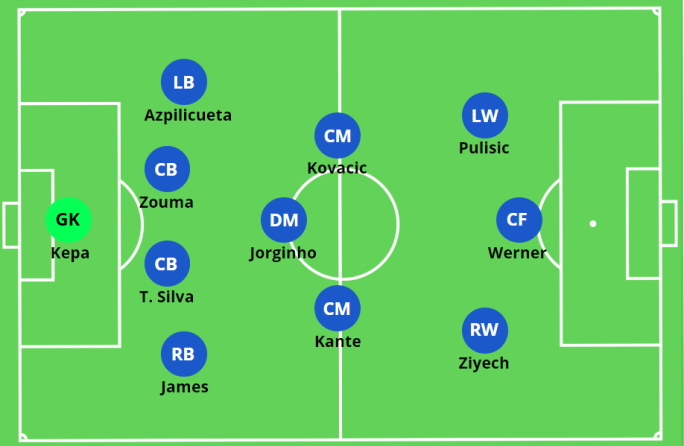
Frank Lampard enjoyed a successful first season with Chelsea F.C., despite no new summer signings coming through the door. The Blues hovered around 4th for the majority of the season in behind Leicester City, and eventually secured 4th behind Manchester United. Lampard relied heavily on young talent in 2019-20 and the club were rewarded with fantastic performances from the likes of Mason Mount, Tammy Abraham, Fikayo Tomori and Reece James. However, although all of those players have potential, they might not be at the level of Premier League champions just yet. Lampard and those above his authority recognized that and responded with several new signings of the highest quality. In fact, very few other clubs have (on paper) done better summer transfer window business...ever. Despite the promise all their new signings have, it remains to be seen how they will all come together and whether or not it's worth it to bench some of the young players that secured their Champions League finish last year, for a heap of new players that have never played together before. So with that, here is a Tactical Analysis of Frank Lampard's Chelsea heading into the 2020-21 season.
Switching Play – The Basics
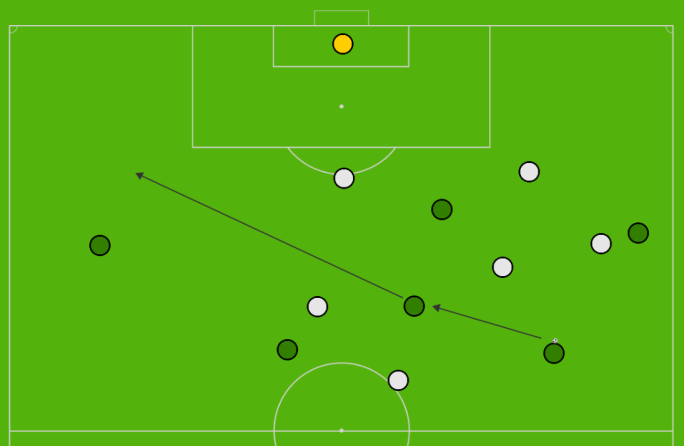
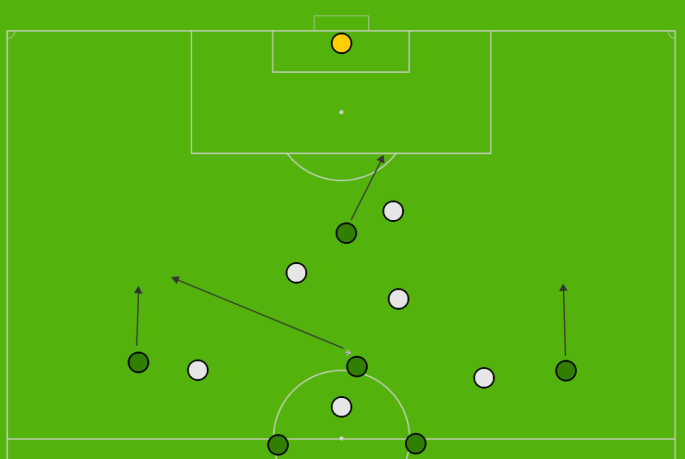
Although youth players generally don't have the capability to switch play all the way from one end of the field to the other, changing the point of the attack is a crucial element to any format of the game and essential for coaches to teach to their players. It doesn't matter how old they are, players will always try to go into pressure when they can simply change direction and try to switch play to the other side. Here are the basics of Switching Play, in the quest to help coaches translate the necessary elements of the tactic to their players.
Defensive Transitions – The Basics
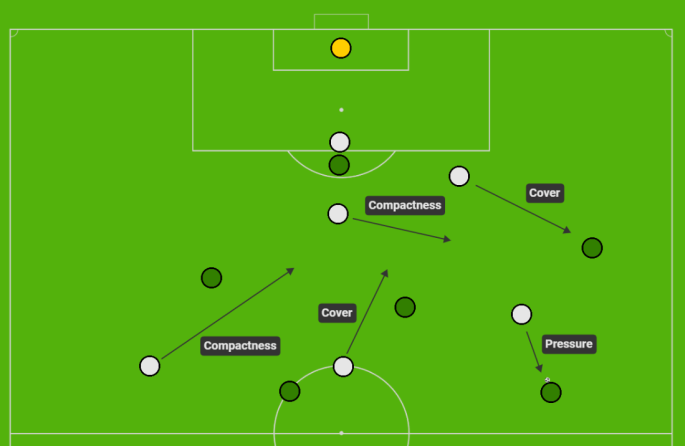
Transitional moments are an understated, underrated and under-coached part of the modern game. How a team sets up after winning or losing the ball can make or break a team. As a result, today we dissect the basics of defensive transitions. Defensive transitions can be defined as the moment of time between a loss of possession and setting up to win the ball back right away. In more complex terms, it involves the reshaping and restructuring of the team to set up and defend. Although the notion of tactical fouling is technically a tactical approach to a defensive transition, this article will explore how to win the ball back after losing it, and how to set up immediately to stop a goal from going in. This is Defensive Transitions - The Basics.
Attacking Transitions – The Basics
Transitional moments are an understated, underrated and under-coached part of the modern game. How a team sets up after winning or losing the ball can make or break a team. As a result, today we dissect the basics of attacking transitions. Attacking transitions can be defined as the moment of time between gaining possession and going on the attack right away. In more complex terms, it is the reshaping and restructuring of the team to set up for the attack after winning the ball. Attacking transitions are also closely connected to the concept of counter attacking. Integral elements to attacking transitions include the decision of when to dribble vs. when to pass, width, verticality and speed. In this article, we will touch on all of these aspects, with example diagrams to a team's first introduction to transitions at the 7v7 stage, playing 2-3-1.
Pressing From The Front – The Basics
Pressing from the front is one of the most important elements of the modern game. As opposed to a low-block and allowing the opposition time and space to play out from the back, almost every professional team in existence presses high up the pitch, vigorously and rigorously in an attempt to win the ball back and go on the attack right away, closer to the opposition's goal. As a result, coaches of any age group should be looking to teach players young and old the necessary steps of pressing from the front. In order to help guide these coaches, we examine some of the most basic elements of pressing from the front, with example diagrams for a 7v7 team playing 2-3-1.
Playing Out From The Back – The Basics
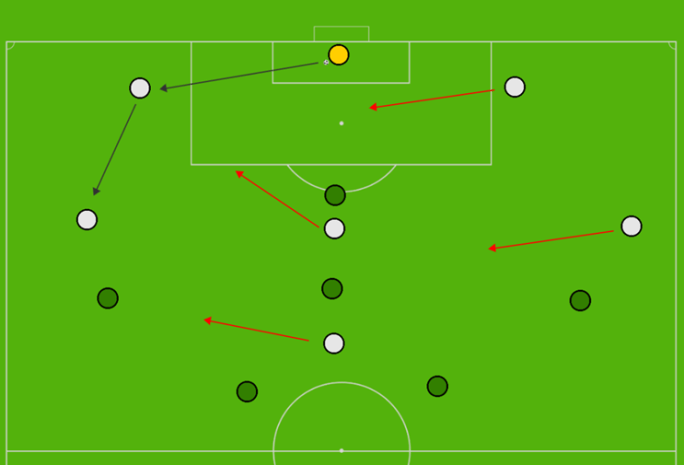
Playing out from the back is one of the most important elements of the modern game. Not only is it better for development than kicking it long, it is also easier and allows a team fewer risks at losing the ball. As a result, coaches of any age group should be looking to teach players young and old the necessary steps of playing out from the back. In order to help guide these coaches, we take a look at some of the most basic elements of playing out from the back, with example diagrams from a 7v7 team playing 2-3-1.