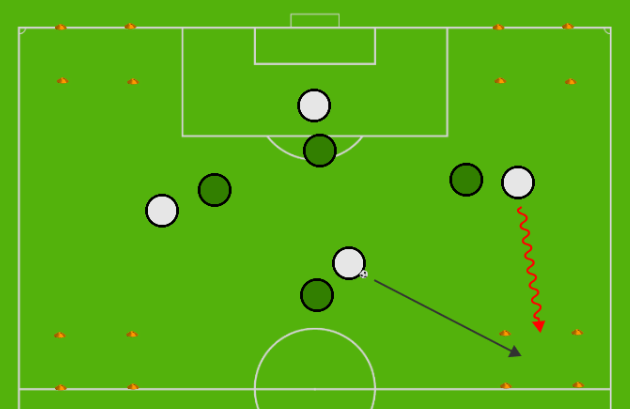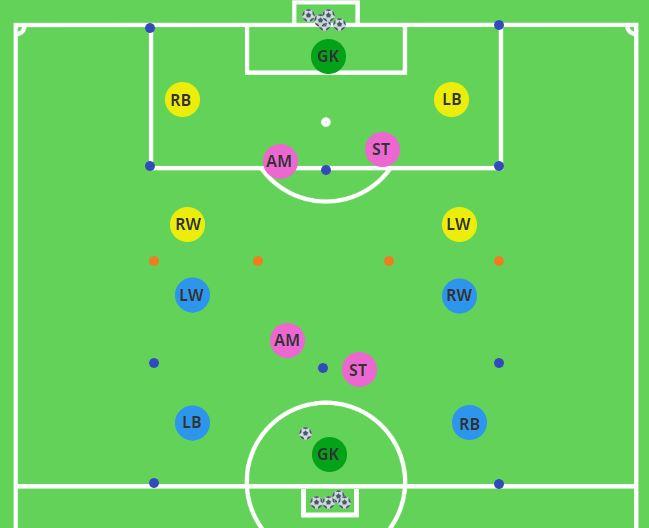
Over the years of coaching youth soccer, I have seen entire curriculums made up of 1v1/2v2 and activities. Sometimes clubs focus solely on these topics throughout their curriculums, particularly with regards to younger players. For me personally, I love to be more possession-focused and most of my activities revolve around topics of how to get the most out of our attack and time on the ball. 1V1 and 2V2 activities can also be dangerous to implement as a lot of them involve far too much waiting in lines. That said, 1v1 defending and attacking is still an essential session topic to cover in any season, regardless of your coaching philosophy and approach. As the great football pundit and commentator Don Hutchinson once said - "People think it's a game of 11v11. It's not. It's a game of 1v1. Win your individual battles." So with that, here is a session all about both 1v1 attacking and 1v1 defending.
Tag: Session Plans
Passing & Moving – Session Plan and Key Coaching Points
Although they should be considered completely different topics, coaches often link passing and moving together as items that need to be improved together. As every youth coach of ages 4-10 has found out, players in the initial stages of their soccer development often have trouble "spreading out" and understanding basic concepts of passing and moving. So with that, here is a session plan from The Mastermind Site all about passing and moving for ages 6-10!
Switching Play – Session Plan and Key Coaching Points
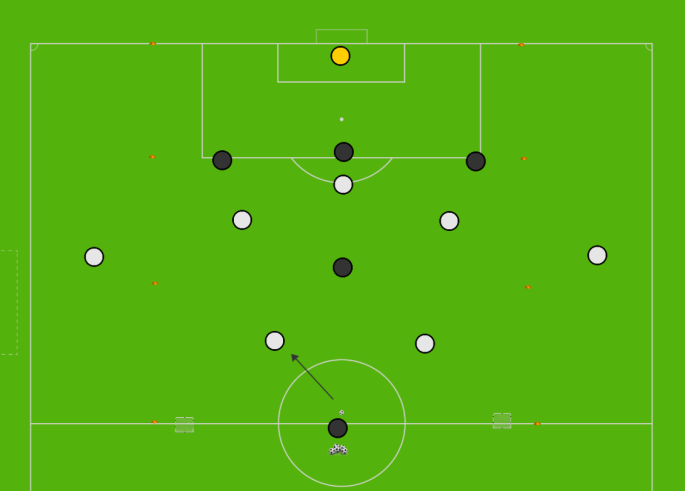
The popularity of switching play as a tactical concept has long been a dominating strategy in the world of football. Its popularity is exemplified by the many different forms and names it has taken on over the years such as changing the point of attack or playing across the direct game channels. Even at the younger ages, switching play can be an essential tactic to deploy with any team. Concepts like maintaining width, crossing, and shifting the ball from left to right are universal to the sport, regardless of age.
Attack-Minded Fullbacks – Full Session Plan and Key Coaching Points
All of the best professional teams in the world have attack-minded fullbacks deeply rooted into their system and style of play. The likes of Liverpool have achieved much success with Trent Alexander-Arnold and Andrew Robertson bombing down their respective sides from their positions as fullbacks. Between the two of them, they've assisted 42 goals in the last two Premier League seasons, breaking records left and right as Liverpool have completely dominated the league. But it's not just Liverpool. The growing importance of fullbacks further up the field has been one of the most popular revolutions of the modern game and it is no longer just the very best of the best that deploy these types of players. Defenders at the youth level often see themselves as only defenders. They tend to believe that there is an imaginary line that they simply cannot cross. But this is not the case! Fullbacks can make a massive difference to the attacking prowess of a team and if our youth teams are to achieve greater attacking success, the fullbacks need to be more heavily involved. This session plan provides coaches with an opportunity to start to develop that attacking-mindset in fullbacks.
Combination Play – Full Session Plan and Key Coaching Points
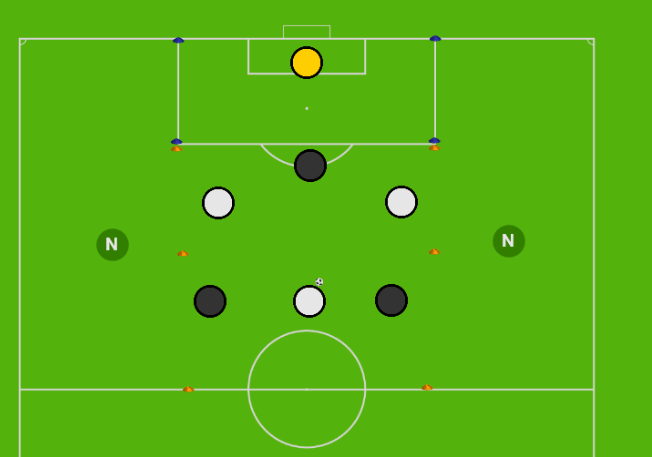
All of the best professional clubs in the world have some clearly defined method of combination play in the final-third of the pitch. Although our youth teams might never be able to achieve the attacking flair of Borussia Dortmund or Liverpool, working hard on the training ground on Combination Play can still be tremendously helpful in the quest for greater attacking prowess.
Restricted vs. Conditioned Games – Coaching Soccer
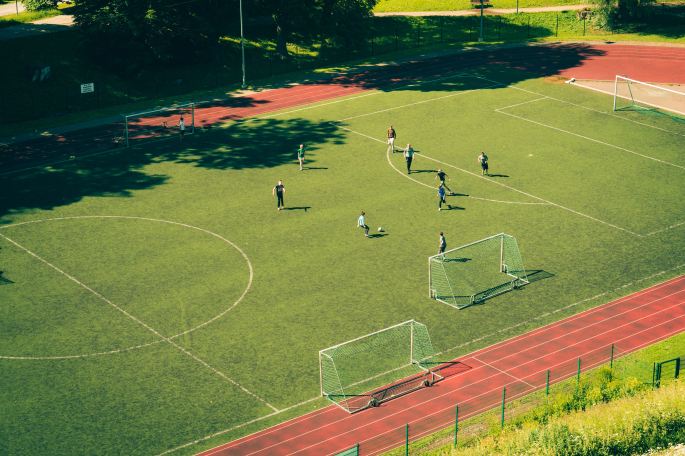
Many coaches often add restrictions to games. Restrictions like needing to complete three passes before the team can score or players being locked into different zones on the field can be valuable to teaching certain topics to young players. But restrictions need to be used wisely. Instead of restricting behaviours, coaches should look to encourage behaviours and do so more carefully through encouraging something to happen, rather than restricting it. In this article I will outline why restricted games should be more scarcely used, and why the term 'conditioned game' should possibly have a change of meaning to urge coaches to encourage the behaviours of their players in games without restricting their players.
Playing Forwards vs. Backwards Session Plan and Coaching Tips
One of the key skills to learn in the modern game, particularly for young players, is the art of composure. Many young players have the habit of kicking the ball up the field without looking or thinking that they always have to go forward because that is where the goal is. However, if players can harness the ability to know when the right time is to go forward and when the right time is to keep possession and maybe go backward, their ability as a footballer will skyrocket. Here is an entire session plan all about playing forwards vs. backwards and some coaching tips along the way.
5 Ways To Come Up With Your Session Topics
INTRODUCTION With the hurdle of everyday work and busy lifestyles, often times coaches barely even have time to plan their sessions, let alone come up with a coherent session topic. But fear not, this article will explore the five best ways to come up with a session topic as well as tips and tricks to … Continue reading 5 Ways To Come Up With Your Session Topics