Coaching Newsletter #10 – Coaching a team with varying skill levels, older players & low motivation

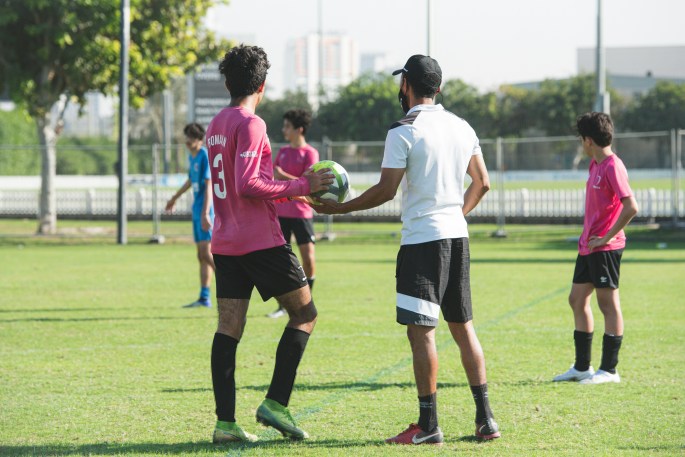
Last month, I received a great question from a former student of mine, who is coaching their first team of teenagers right now. The players are U15, yet still don't know many of the basic skills to soccer. They just want to have fun, hang out with their friends, and they lack enough sporting experience to know how to handle losses and setbacks. I answered this question immediately, but I think it's valuable for every coach to know and hear. So with that, here is my Coaching Newsletter #10 - for subscribers of the site!

Coaching Craft – Chapter 5 – Modern Day Coaching Methodologies

This chapter details the power of positive psychology and how you never want to be an athlete's last coach.

Coaching Craft – Chapter 4 – Establishing Your Coaching Philosophies

This chapter details how to create your coaching philosophies, and how to then build the type of environment that you put on paper.

Coaching Craft – Chapter 3 – Building Positive Cultures in Coaching

This course will help coaches of all levels, from new to expert, expand upon their coaching horizons and recentre themselves back toward what is most important as a coach. Chapter 3 is all about how to build positive cultures in a team environment.

Adopting a player-centered approach to coaching

Leadership is a process that not only involves you having influence over groups or individuals, but as those same individuals or groups having influence over you. You cannot thrive as a leader without your followers also inspiring you to reach your true potential. This is precisely why we must create an athlete-centered approach to the environments we build when coaching.

Modern-day coaching methodologies and the power of positive psychology

The days of yelling at players for not making it to first base are over! Or at least, they should be. Coaching has changed dramatically over the past twenty years. There is a new-wave of coaches that understand how they would want to be communicated to as athletes, and bring that to the forefront when they work with players of their own.

The art of effective communication

Communication is one of the most important skills for young players to develop. It can sometimes be difficult for players to see past their own role on the pitch, but effective communication can propel the entire team forward and lead to a better team spirit. Here are some of the key words and phrases for players to remember in their quest to better their communication.