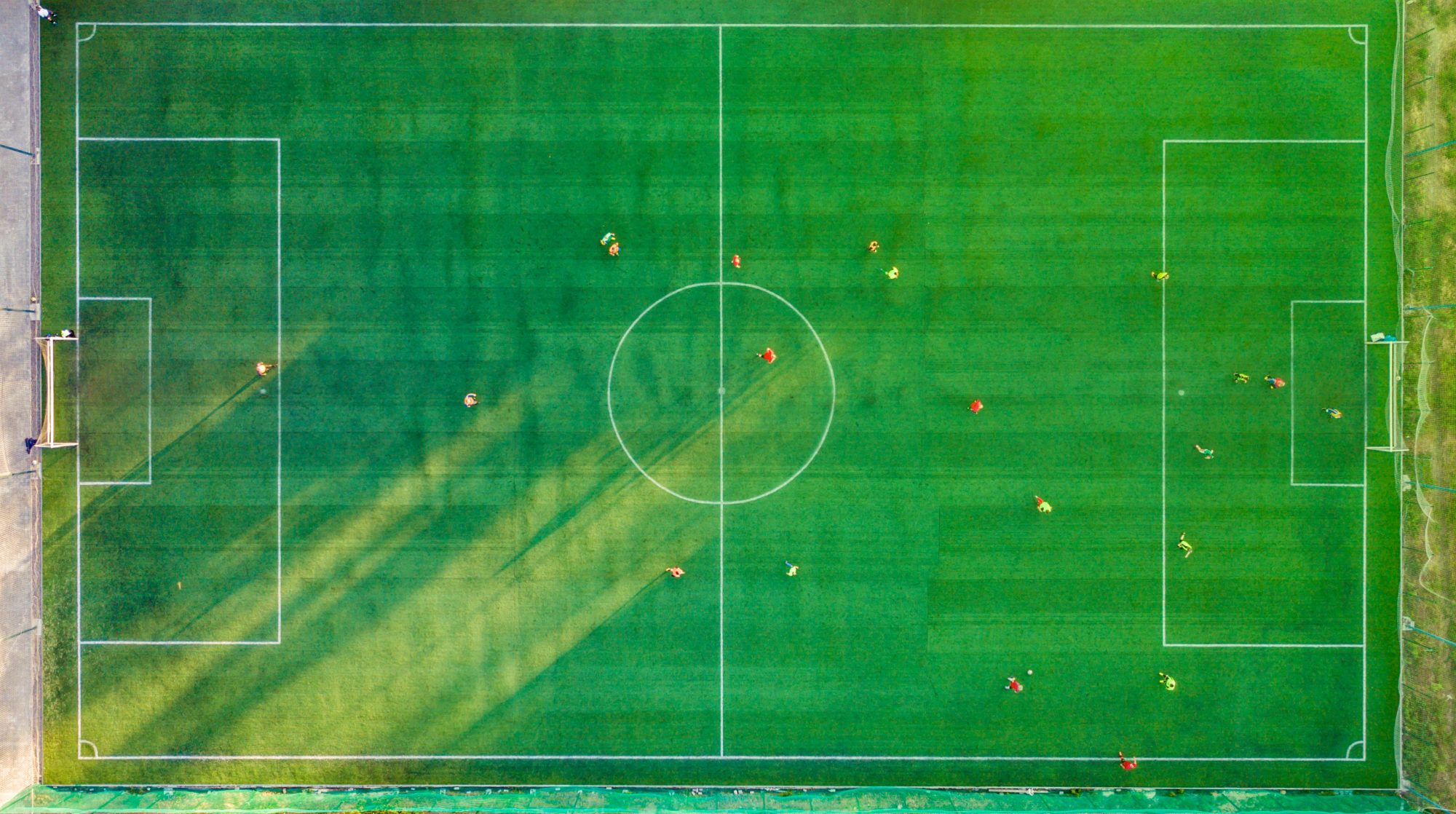
9v9 is one of the most exciting stages in the development of young players as it’s the first time they are truly able to understand tactics, positioning, formations and how to play to the strengths of their teammates. With so many different formations to choose from, 9v9 offers just as much flexibility and creativity for coaches as 11v11. But all 9v9 formations have limitations, gaps and disadvantages that can be exploited when played against correctly. In the next few weeks, TheMastermindSite will be taking a look at how to stop every single major 9v9 formation. First, we discuss how to beat the 3-2-3.
Tag: Coaching Tips
How To Be A Good Sports Captain
Although some coaches believe in avoiding captains altogether, it is unquestionable how many positive outcomes can come from allowing players to take on leadership roles, such as in the form of a captaincy. Giving a player or two an armband can be great for developing confidence, leadership, positivity and teamwork within the entire team; not … Continue reading How To Be A Good Sports Captain
The Art of Persuasion in Coaching
The art of persuasion is a useful tool that all coaches should understand. Social psychologists identify two basic ways to persuade people: through what's called "the central route" and through what's called "the peripheral route". This article examines both, in the quest to help coaches understand the art of persuasion and the best approaches to motivating their players to perform.
Why Players Should Be Open To Playing Different Positions
In my early days of coaching, I picked up very quickly on the fact that players developed an affinity for positions that they played more often. Therefore sometimes when a positional change became necessary, simply playing the player in that position more regularly allowed the player to develop greater confidence and affinity for playing in that position. These effects occurred even when the player started out by dreading the role and thinking themselves to be ill-equipped to perform there. In psychology, this is called the "mere exposure effect". Quite simply, by having more exposure to something, one's motivation, desire and enjoyment of that thing can often be elevated to higher heights. This is relevant for both players and coaches. But how? Here is why this phenomenon is relevant for both coaches and players and how they can use an understanding of the effect to further their craft.
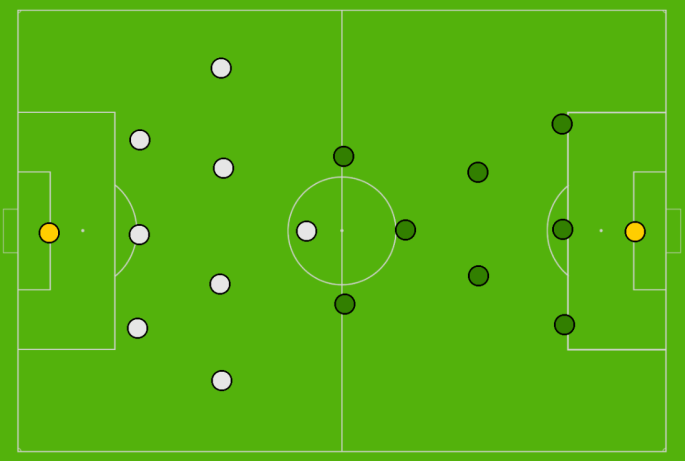
How To Play Against the 3-2-3 (9v9)
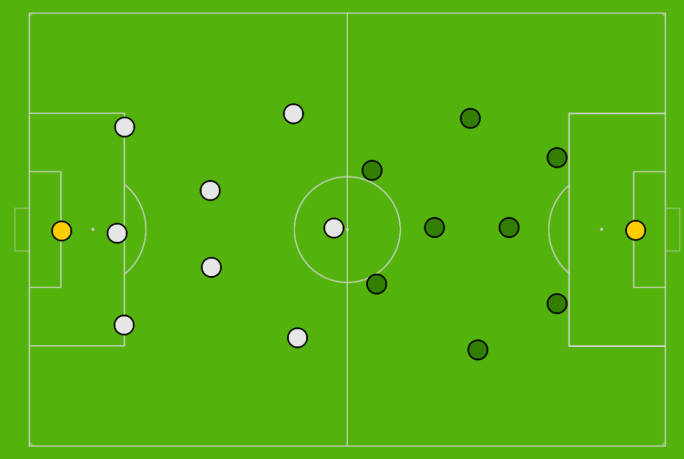
9v9 is one of the most exciting stages in the development of young players as it’s the first time they are truly able to understand tactics, positioning, formations and how to play to the strengths of their teammates. With so many different formations to choose from, 9v9 offers just as much flexibility and creativity for coaches as 11v11. But all 9v9 formations have limitations, gaps and disadvantages that can be exploited when played against correctly. In the next few weeks, TheMastermindSite will be taking a look at how to stop every single major 9v9 formation. First, we discuss how to beat the 3-2-3.
Playing Forwards vs. Backwards – Session Plan & Coaching Points
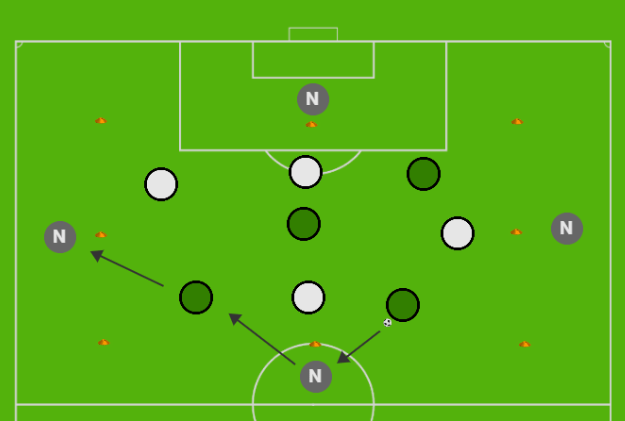
Many young and inexperienced players have the bad habit of kicking the ball away without looking. Sometimes it comes off, but most of the time these players are only playing into the hands of their opposition, as the opposition recovers the ball without having to do any defending. Players of any age need to learn … Continue reading Playing Forwards vs. Backwards – Session Plan & Coaching Points
Progressive Possession – Full Session Plan & Key Coaching Points
Many young and inexperienced players have the bad habit of kicking the ball away without looking. Sometimes it comes off, but most of the time these players are only playing into the hands of their opposition, as the opposition recovers the ball without having to do any defending. Players of any age need to learn … Continue reading Progressive Possession – Full Session Plan & Key Coaching Points
Switching Play – Full Session Plan & Coaching Points
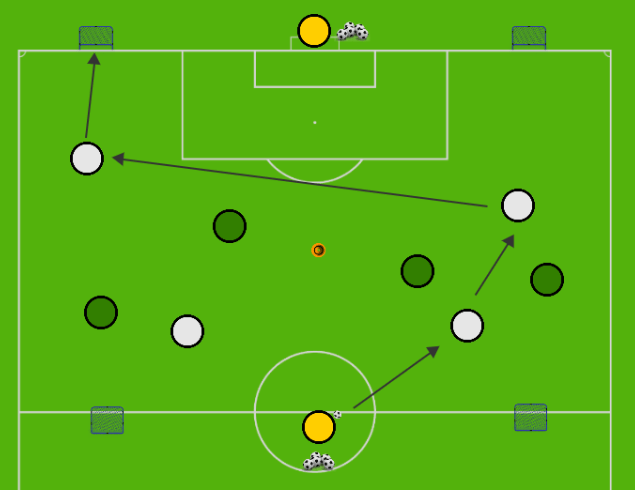
The popularity of switching play as a tactical concept has long been a dominating strategy in the world of football. Its popularity is exemplified by the many different forms and names it has taken on over the years such as changing the point of attack or playing across the direct game channels. Even at the younger ages, switching play can be an essential tactic to deploy with any team. Concepts like maintaining width, crossing, and shifting the ball from left to right are universal to the sport, regardless of age. Here is an updated session plan all about one of the most essential session topics in youth soccer/football – Switching Play.