9v9 is one of the most exciting stages in the development of young players as it’s the first time they are truly able to understand tactics, positioning, formations and how to play to the strengths of their teammates. With so many different formations to choose from, 9v9 offers just as much flexibility and creativity for coaches as 11v11. But all 9v9 formations have limitations, gaps and disadvantages that can be exploited when played against correctly. In the next few weeks, TheMastermindSite will be taking a look at how to stop every single major 9v9 formation. First, we discuss how to beat the 3-2-3.
Tag: Playing Wide
How to move like a world class striker
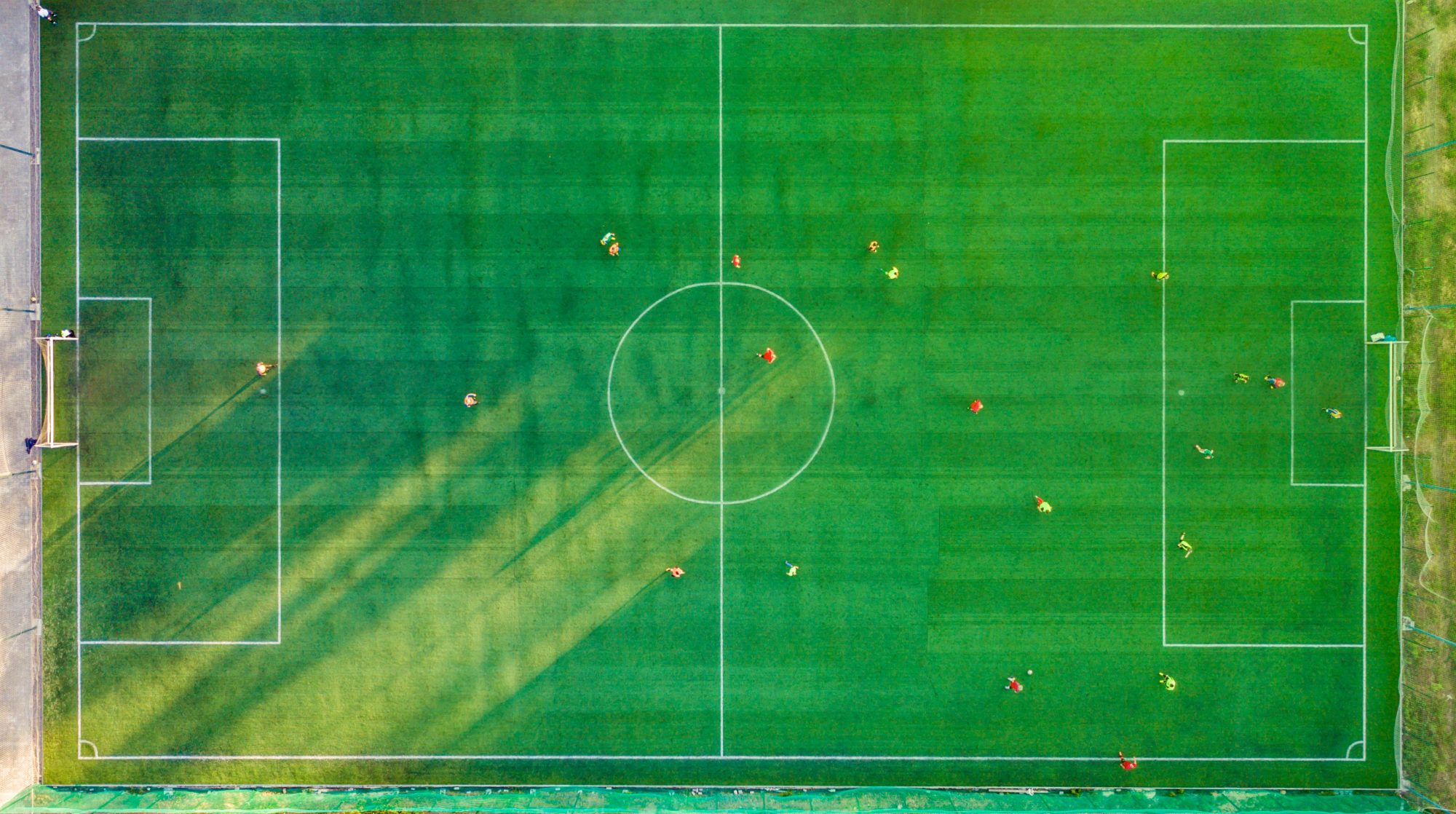
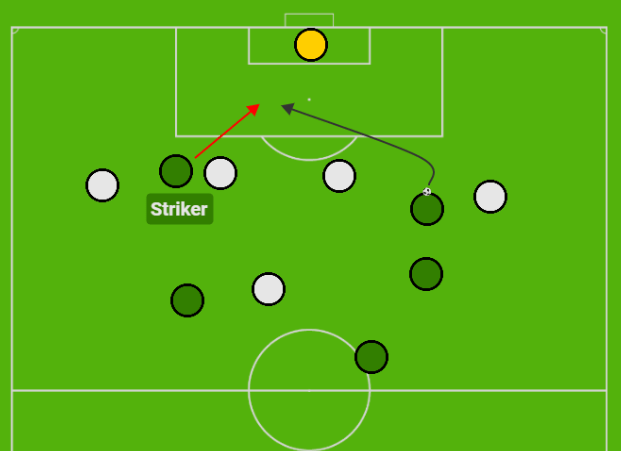
It's practically undeniable that a striker's number one role in a team is to score goals. But the actual art of scoring goals is so much more complex than many think. It comes down to far more than just finishing ability and instinct. Movement, particularly movement done off the ball, is so important to a striker's ability to score goals. The very best are masters of the art. Some are incredibly adept when it comes to movement in deep and linking up play with others lower on the field. But this article will explore those that are particularly adept at timing their runs into the box to perfection and scoring goals from their stellar movement off the ball. Here are 7 different movement patterns the world's best strikers often use in games to score goal after goal, game after game.
Progressive Possession – Full Session Plan & Key Coaching Points
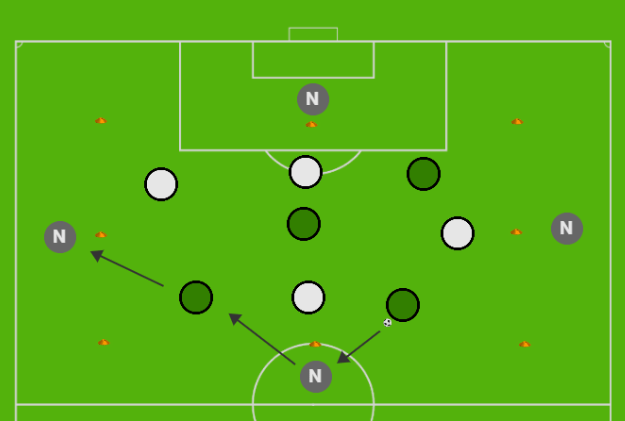
Many young and inexperienced players have the bad habit of kicking the ball away without looking. Sometimes it comes off, but most of the time these players are only playing into the hands of their opposition, as the opposition recovers the ball without having to do any defending. Players of any age need to learn … Continue reading Progressive Possession – Full Session Plan & Key Coaching Points
Switching Play – Full Session Plan & Coaching Points
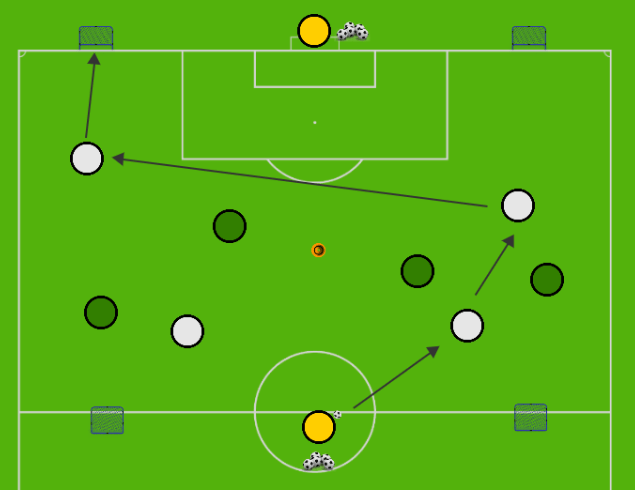
The popularity of switching play as a tactical concept has long been a dominating strategy in the world of football. Its popularity is exemplified by the many different forms and names it has taken on over the years such as changing the point of attack or playing across the direct game channels. Even at the younger ages, switching play can be an essential tactic to deploy with any team. Concepts like maintaining width, crossing, and shifting the ball from left to right are universal to the sport, regardless of age. Here is an updated session plan all about one of the most essential session topics in youth soccer/football – Switching Play.
Switching Play – Session Plan and Key Coaching Points
The popularity of switching play as a tactical concept has long been a dominating strategy in the world of football. Its popularity is exemplified by the many different forms and names it has taken on over the years such as changing the point of attack or playing across the direct game channels. Even at the younger ages, switching play can be an essential tactic to deploy with any team. Concepts like maintaining width, crossing, and shifting the ball from left to right are universal to the sport, regardless of age.
Switching Play (9v9)
The popularity of switching play as a tactical concept has long been a dominating strategy in the world of football. Its popularity is exemplified by the many different forms and names it has taken on over the years such as shifting the ball from side to side or playing across the direct game channels. Even at … Continue reading Switching Play (9v9)
Coaching the 3-2-3 (9v9)
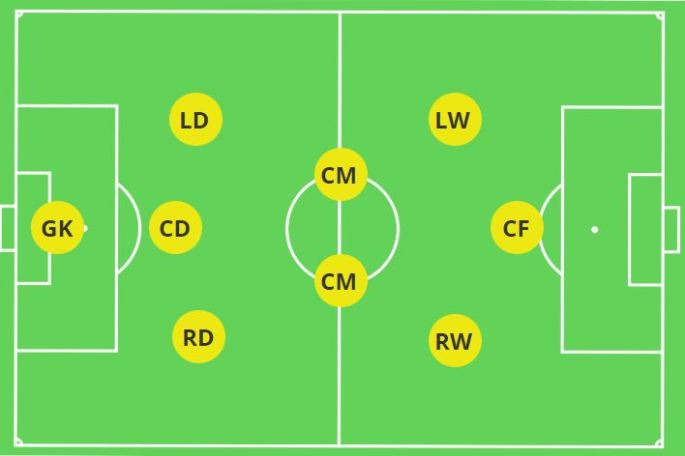
Over the past year of coaching 9v9 soccer, the 3-2-3 has become my favourite formation to use. I am a firm believer that the formation of any team should not be based around a club identity or a coach's personal style of play, but rather based around the team's style of play and the personnel of the team. However, I have found that the 3-2-3 is fantastic in suiting nearly every type of player and the simple and easy variations that can be created using the formation such as shifting into a 3-1-3-1, allow coaches to tweak and change their style of play to fit the needs of the vast majority of youth soccer players.