Why the technical, tactical, physical and psychological sides of football are deeply intertwined

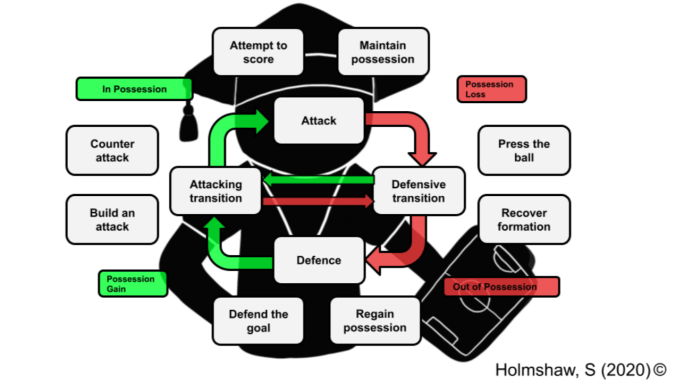
The game is deeply rooted in all five aspects of the common coaching model, and in fact, every decision a player makes boils down to all five elements simultaneously. Here's why the technical, tactical, physical and psychological aspects of football are all deeply intertwined.

Understanding ball, opposition, teammates and space

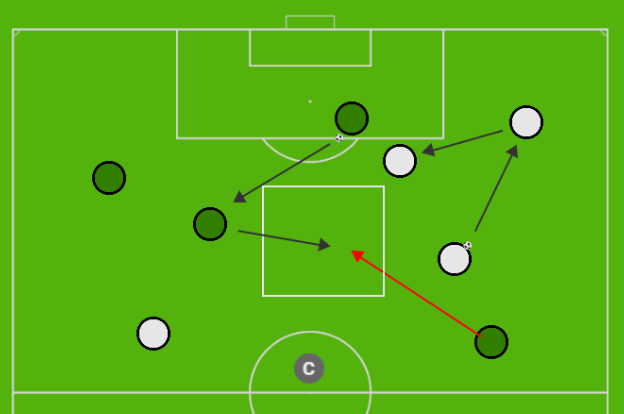
Nothing can exist in football without perceptions of ball, opposition, teammates and space (BOTS for short if you want!). While there may never be one unequivocally correct answer to any given footballing problem, players can more adequately assess for decision making through muscle memory, experience, automatisms, sheer intelligence, and studying the tips in this article. But those same players, analysts and coaches must also recognize the deeply-rooted tandem bike quadracycle nature of the four elements of the game, and how they all co-exist to work in harmony.

Football is more about psychology than tactics

This is not a headline that you would expect to see from a website so devotedly focused on tactics and analysis. But as complex and debatable as this may sound, football is more about psychology than tactics. The best coaches are not always the best tacticians. But the best coaches are always the best motivators. The likes of John Herdman, Emma Hayes, Jose Mourinho and even Jurgen Klopp, rarely ever speak about tactics when expatiating about the game. Instead, they pontificate about the psychology of their teams and players, and their attempts to get the best out of their mentality.

Sam Holmshaw – Why everything in coaching needs to fit your context

There's a beautiful thing in the coaching community, where we all strive to share resources. But this inherently creates a problem. What works in one context, doesn't always work in another. Sam and I are both content creators who always get asked to come up with solutions to various coaching problems and share our thoughts on how coaches can accelerate their teams to new levels. While we love creating content and educating coaches, it must be said that everything we put out always needs to be adapted to the context of the individual coach, team, players and environment. The same could be said for taking things from the professional game, where very few lessons can actually be applied at the youth level.


Developing a growth mindset…

In the movie of my life, I always portray myself as some hopeless art loser the moment I thrust myself into an art project. The reality of the situation is that I’m actually totally fine at drawing, painting…even dare I say…colouring…especially when given the right tools or the right level of instruction. In fact, if I had ever stepped out of my hopeless art loser shell and took say…a painting class, I likely would have developed useful knowledge, skills and maybe even new attitudes, that could have transformed my entire art mindset for life. Our abilities are not fixed in time, and can change with practice and help. So it’s important to approach any challenges or perceived inabilities with a growth mindset, and positive self-talk. That’s why in this article I’m going to be giving you tips and tricks to establishing a growth mindset. And cut the scene.

Coaching Automatisms – Rehearsed Patterns of Play

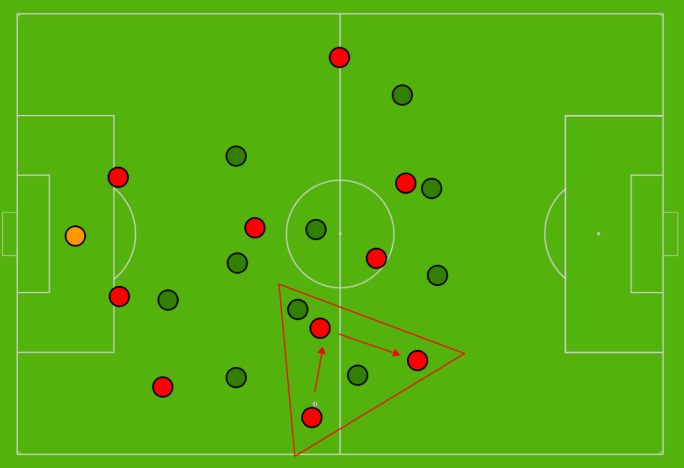
In the past few years, I have adopted an almost entirely games-based approach to coaching. Everything is based within scenarios and situations players encounter in the game, and related to rehearsed actions on where to be in different situations players encounter on a football pitch. These are what the footballing world call "patterns of play", and what some top managers in the game have dubbed "automatizations".

Train of Thought – Why you should incorporate double goals into your training

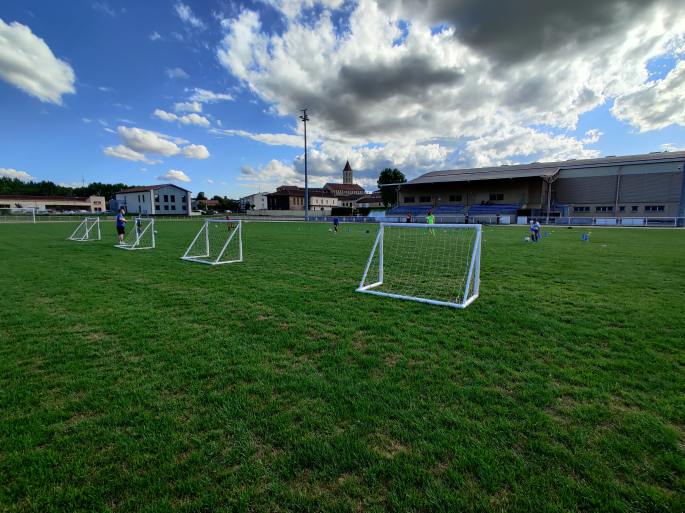
The mental side of the beautiful game is at least as important as the physical side, but is often neglected by coaches in training sessions. In this series, Travis Norsen, author of Play With Your Brain, will discuss small tweaks to standard training exercises and the large positive effects they can have on players’ decision-making and soccer intelligence. This week, Travis explores why you should incorporate double goals into your training.