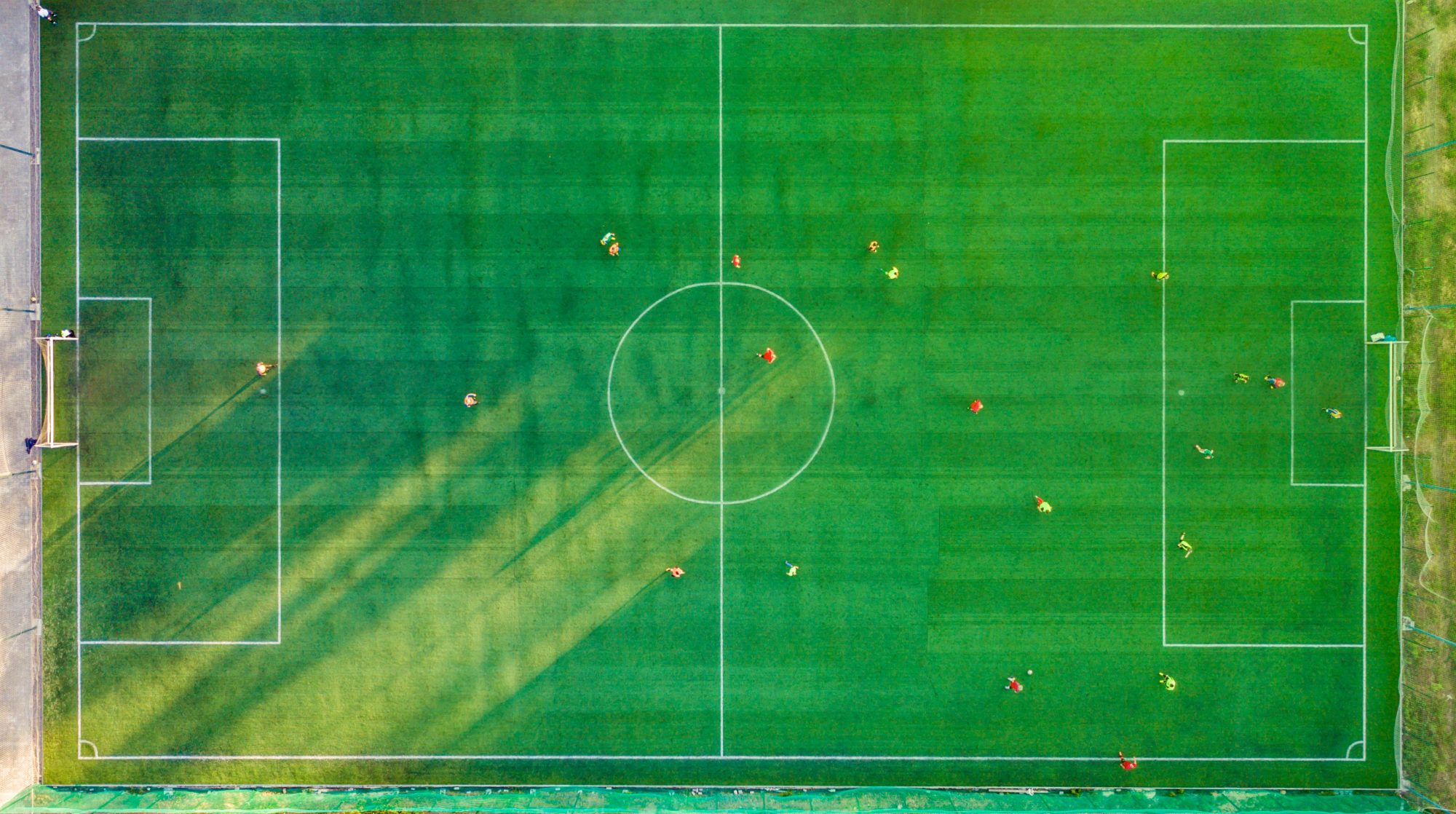
In my early days of coaching, I picked up very quickly on the fact that players developed an affinity for positions that they played more often. Therefore sometimes when a positional change became necessary, simply playing the player in that position more regularly allowed the player to develop greater confidence and affinity for playing in that position. These effects occurred even when the player started out by dreading the role and thinking themselves to be ill-equipped to perform there. In psychology, this is called the "mere exposure effect". Quite simply, by having more exposure to something, one's motivation, desire and enjoyment of that thing can often be elevated to higher heights. This is relevant for both players and coaches. But how? Here is why this phenomenon is relevant for both coaches and players and how they can use an understanding of the effect to further their craft.
Category: Masterclasses
How to move like a world class striker
It's practically undeniable that a striker's number one role in a team is to score goals. But the actual art of scoring goals is so much more complex than many think. It comes down to far more than just finishing ability and instinct. Movement, particularly movement done off the ball, is so important to a striker's ability to score goals. The very best are masters of the art. Some are incredibly adept when it comes to movement in deep and linking up play with others lower on the field. But this article will explore those that are particularly adept at timing their runs into the box to perfection and scoring goals from their stellar movement off the ball. Here are 7 different movement patterns the world's best strikers often use in games to score goal after goal, game after game.
Overlapping Centre-Backs – Tactical Analysis
Any team's style of play needs to fit the personnel and formation. But a relatively new, unexplored tactical innovation arising out of the re-emerging rise of back-three formations is the concept of overlapping centre-backs. Teams like Sheffield United and Atalanta have achieved widescale success utilizing attack-minded centre-backs, who frequently find themselves in advantageous positions, attempting to join the attack and create chances for their teammates. By adopting this style of play, these teams create overloads in wide and/or central areas, and push more numbers into the box, where the delivery of crosses can be a great asset. On the surface, this may seem like a very simple approach. But the concept of overlapping centre-backs is far more complex than just the simple nature of a centre-back running around a wing-back. So let's get right into this Tactical Analysis all about Overlapping Centre-Backs.
5 Common Mistakes Coaches Make
Recently I had the privilege of helping teach a coaching course at my university institution to eighty students, most of which had never coached before. Not only was it (hopefully) a valuable learning experience for the students, it was also a great learning experience for me and my development as a coach. Across the course, the students adapted well to the teaching methods of the course. However, a few common mistakes could be found in nearly every single session that the students delivered. As a result, I have developed this list of the most common mistakes coaches (not just beginners) often make. This list should be a helpful reminder to all coaches on how to be better in their roles and ensure participants get the most out of their experience.
Teaching First Touch in Youth Soccer
The first touch that a player makes after receiving the ball is a highly underrated skill. The first touch can often make or break an attack and in some cases make a break a player's ability to score a goal. Here is a quick-fire guide to teaching young players how to take their first touch.
Communication in Youth Soccer
Communication is one of the most important skills for young players learning their trade in the beautiful game to develop. Communication is not just all about players shouting at each other and calling for the ball. It goes far beyond that to non-verbal communication, body language, and even knowing when not to communicate. Here are some of the key words and phrases that young players can communicate to their teammates during games.
La Pausa – Tactical Analysis
La Pausa - Spanish for 'The Pause' is a fantastically useful skill for players looking to fool their opponents. La Pausa is a skill whereby players in possession pause on the ball, drawing in defenders and enticing them to make a movement toward the ball. After the defender makes a movement toward them, the player in possession will often quickly speed up play or then make their pass or movement in a direction that exploits the fact that the defender has approached them.
Counter Attacking and the Death of Tiki-Taka Football
For a while, tiki taka, highlighted by the intricate triangles created in Spain's Xavi-Iniesta years, prevailed as the dominating tactic of the beautiful game. However, with Spain's struggles in recent tournaments and the much talked about "possession without purpose" that has haunted many teams in recent modern day matches, I pronounce the death of tiki taka.