Why Handball is Ruining the Game

The handball rule in football has long been one of the most debated rules in the increasingly less beautiful game. The rule has been broken for decades, and each year attempts to fix the law only seem to make it more dubious. This year in the Premier League (2020-21), it seems as though the law has changed to enforce a policy in which any time the ball strikes the arm, and the arm is away from the body at all, it's going to be called as a handball. Unfortunately, this is the dumbest thing they could have done to try and solve the handball mysteries of seasons past, and has no regard whatsoever for the biomechanics of how footballers move on the pitch. Here are a few reasons why the law needs to change for good and why handball is currently ruining the game for everyone.

Roy Hodgson – Crystal Palace – Tactical Analysis

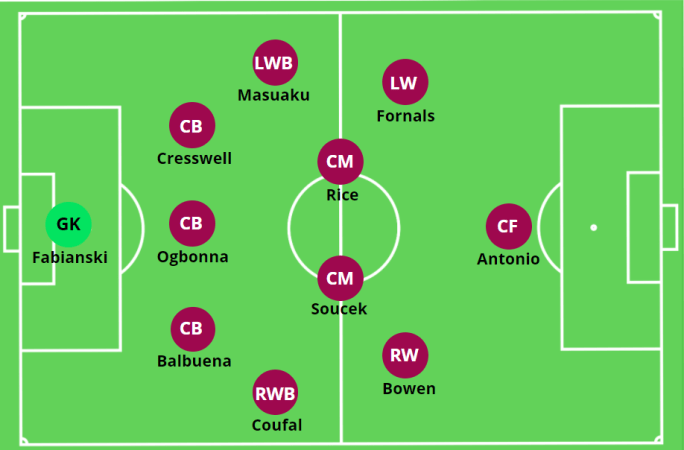
Although far from the flashiest team in the Premier League, Roy Hodgson has had Crystal Palace working like a machine these past few years and has made them into one of the most organized sides across Europe. The systematic way that they play is actually quite simple and although taxing and demanding of the players, it is not overly elaborate. Instead of tactical geniuses and midfield maestros, every single player is an absolute workhorse and understands the role that they play in the team to a tee. This has led to Crystal Palace's success under Roy Hodgson and now in 2020-21, they've won their first two opening Premier League games for the first time in their history. We'd be silly to get carried away and think that they are destined for European football this season, but the Eagles are certainly worth examining for their unique approach to life in the Premier League. Here is a Tactical Analysis all about Roy Hodgson's resilient Crystal Palace.

Pressing From The Front – Session Plan & Key Coaching Points

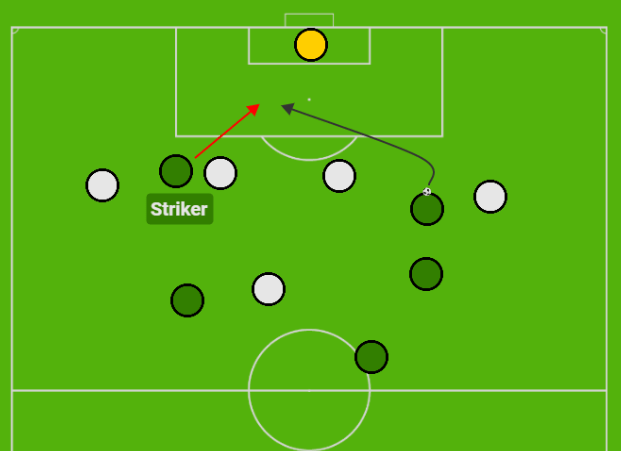
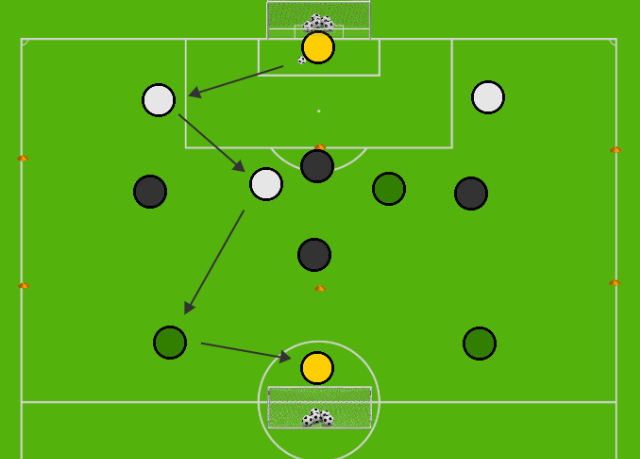
Pressing from the front is one of the most important elements of the modern game. As opposed to a low-block and allowing the opposition time and space to play out from the back, almost every professional team in existence presses high up the pitch, vigorously and rigorously in an attempt to win the ball back and go on the attack right away, closer to the opposition’s goal. As a result, coaches of any age group should be looking to teach players young and old the necessary steps to win the ball back high up the field through putting pressure on their opposition. In order to help guide these coaches, we examine some of the most basic elements of pressing from the front through a session plan all about this essential topic.

Coaching 9v9 Soccer – Ebook (1st Ed.)

9v9 is one of the most exciting stages in the development of young players and can often be the first time they are truly able to understand positioning, formations and how to play to the strengths of their teammates. This Ebook gives coaches an opportunity to learn all the in's and out's of coaching 9v9, including tactics, formations, and game management.

Best Formations for 9v9 (Podcast Episode)

9v9 is one of the most exciting stages in the development of young players and can often be the first time they are truly able to understand positioning, formations and how to play to the strengths of their teammates. This audio podcast will be all about the Best Formations for 9v9, as modeled after our article Best Formations for 9v9.

Frank Lampard – Chelsea – Tactical Analysis (Pre-Season 2020-21)

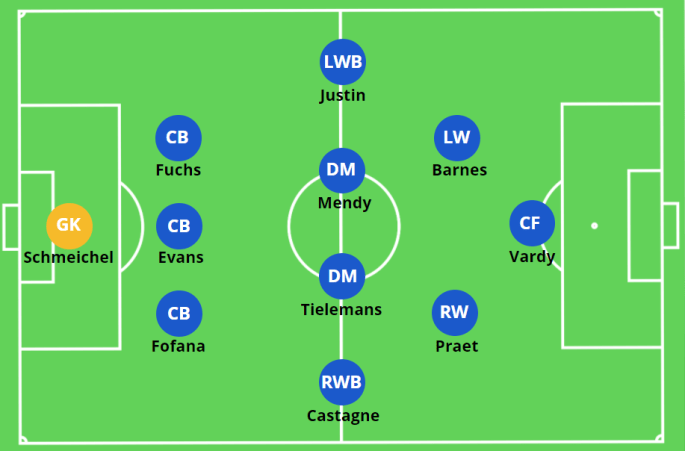
Frank Lampard enjoyed a successful first season with Chelsea F.C., despite no new summer signings coming through the door. The Blues hovered around 4th for the majority of the season in behind Leicester City, and eventually secured 4th behind Manchester United. Lampard relied heavily on young talent in 2019-20 and the club were rewarded with fantastic performances from the likes of Mason Mount, Tammy Abraham, Fikayo Tomori and Reece James. However, although all of those players have potential, they might not be at the level of Premier League champions just yet. Lampard and those above his authority recognized that and responded with several new signings of the highest quality. In fact, very few other clubs have (on paper) done better summer transfer window business...ever. Despite the promise all their new signings have, it remains to be seen how they will all come together and whether or not it's worth it to bench some of the young players that secured their Champions League finish last year, for a heap of new players that have never played together before. So with that, here is a Tactical Analysis of Frank Lampard's Chelsea heading into the 2020-21 season.

Switching Play – The Basics

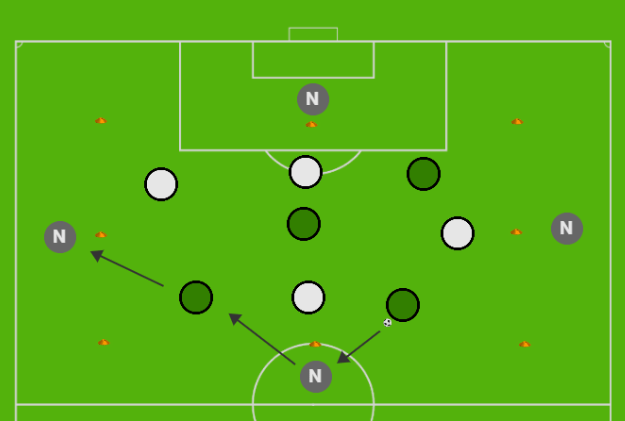
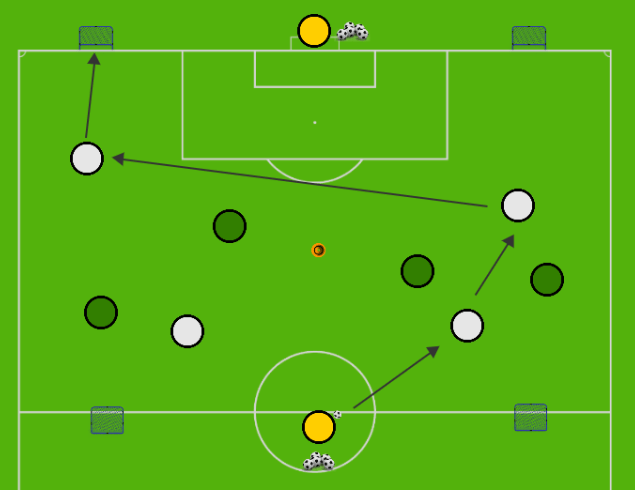
Although youth players generally don't have the capability to switch play all the way from one end of the field to the other, changing the point of the attack is a crucial element to any format of the game and essential for coaches to teach to their players. It doesn't matter how old they are, players will always try to go into pressure when they can simply change direction and try to switch play to the other side. Here are the basics of Switching Play, in the quest to help coaches translate the necessary elements of the tactic to their players.

Defensive Transitions – The Basics

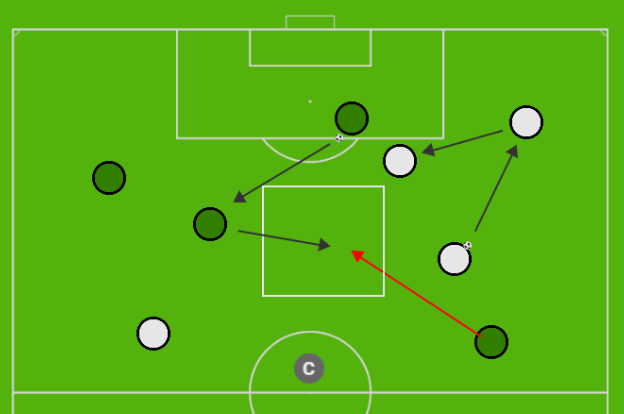
Transitional moments are an understated, underrated and under-coached part of the modern game. How a team sets up after winning or losing the ball can make or break a team. As a result, today we dissect the basics of defensive transitions. Defensive transitions can be defined as the moment of time between a loss of possession and setting up to win the ball back right away. In more complex terms, it involves the reshaping and restructuring of the team to set up and defend. Although the notion of tactical fouling is technically a tactical approach to a defensive transition, this article will explore how to win the ball back after losing it, and how to set up immediately to stop a goal from going in. This is Defensive Transitions - The Basics.