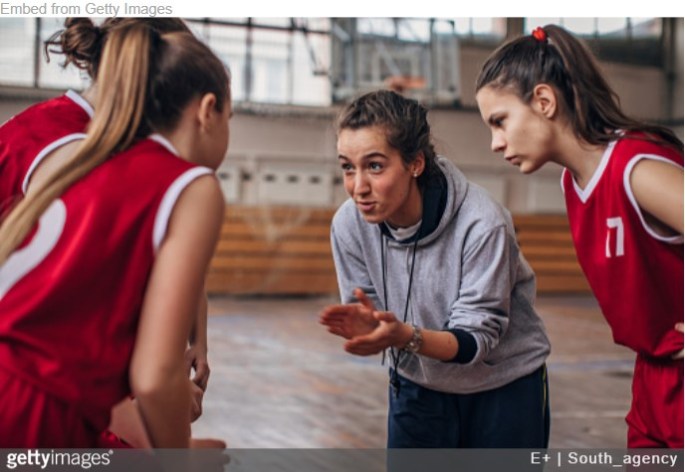
The days of yelling at players for not making it to first base are over! Or at least, they should be. Coaching has changed dramatically over the past twenty years. There is a new-wave of coaches that understand how they would want to be communicated to as athletes, and bring that to the forefront when they work with players of their own.
Tag: Coaching
Games-based learning for optimal athlete development
This is one of my number one coaching philosophies, and want I always teach to other coaches: games-based learning is the best training design to support long-term athlete development.
The key differences between coaching teams and individuals
If I said the word "coach" to you, you'd probably think of a person working in a team environment. But there is so much potential for all coaches, whether they are already working in a team environment or not, to hone in on their skills when working with individuals. Regardless of the coaching context, you must work to tailor your coaching, feedback, and advice to each individual.
Structuring session plans: GAG methodology vs. linear progression
Like many reading this, I grew up around some great player-centered coaches, but always around ones who prioritized technical skill development over game awareness and tactical IQ. Instead of playing game-realistic activities, we spent a significant amount of time developing isolated technical skills without any link to how those skills could apply to the game itself. Around the time that I started to coach the sport, the likes of the CSA and US Soccer began to make changes that would better facilitate skill development in the context of the game. One of those introductions included what Canada Soccer calls the 'GAG' methodology (game-activity-game), with the pretext of 'let the game be the teacher'.
Understanding BOTS & how to scan for quicker, correct decisions
Scanning goes far beyond what must coaches will shout out: "check your shoulder!". It needs to encompass a constant process of neck and eye movement, assessing ball, opposition, teammates and space.
Understanding the five corner model for player development & performance
As coaches, we must recognize that players have an array of qualities that make them unique on the pitch. We must also recognize that each of these unique pillars need to be paid attention to with dedicated attention and care.
Teaching tactics and teamwork to young children in sports
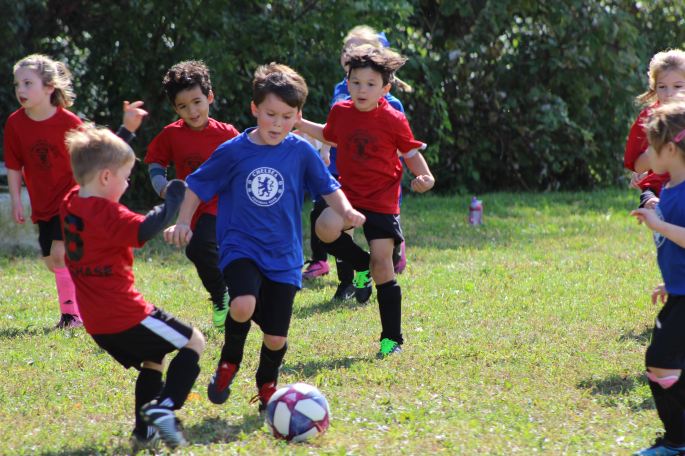
In the coaching community, there's often a discourse around how the technical elements of the game must be prioritized in the early stages of development, typically between the ages of 4-10. But that does not mean that tactics become a mute point. Simply helping to elucidate positioning and roles, and how to perceive space can all be considered "tactical" elements of the game. These can be taught without players needing to have technical foundations in place. Game awareness and game intelligence from understanding basic information around their role, position, and how to react to the space around them, will help a player to perform well on the pitch. This can be taught in combination to the development of techniques and skills. It does not have to be an 'either/or', nor does it have to be a matter of one coming before the other.
Personal development to become the best coach you can be
You cannot create a positive culture for your athletes if you cannot create a positive mindset for yourself. They will see right through you. They won't buy into what you're putting down. They won't trust that your coaching will lead them to success.