Coaching Craft – Chapter 1 – Introduction – The #1 way to excel as a coach

It's time to launch our 2023 Coaching Craft coaching course! This course will help coaches of all levels, from new to expert, expand upon their coaching horizons and recentre themselves back toward what is most important as a coach. We'll discuss and dissect the "new-school" methods and approaches to coaching and do away with the old, with examples and literature from a multi-faceted variety of sports and environments.
Why games-based learning leads to more long-term gains

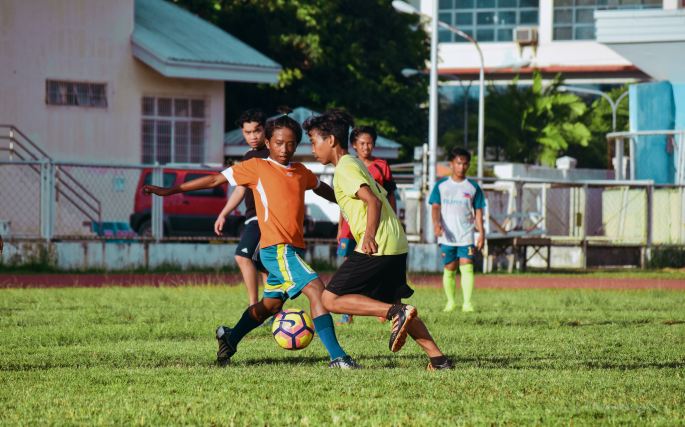
As coaches, the vast majority of us want what is best for our athletes. But there still exists a never-ending divide between what is deemed more valuable by the standards of today, as opposed to the ways coaches learned in the past. Modern-day coaches will emphasize fun and enjoyment through games, and old-school coaches will … Continue reading Why games-based learning leads to more long-term gains

Why formations still exist

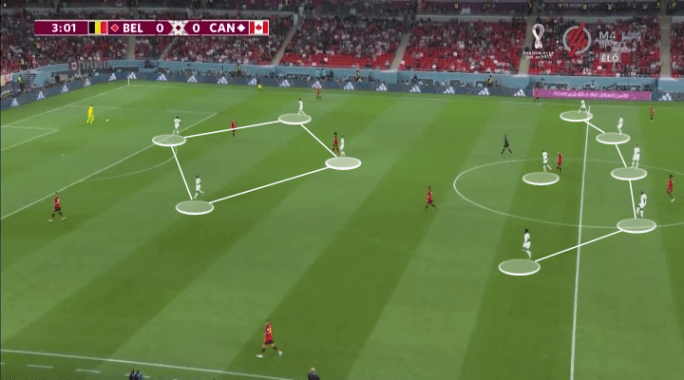
I know what you're thinking: "formations don't exist anymore!" That's what everyone says these days, isn't it? We've become so smart about the way we think about football and too evolved from the ways cavemen used to play, that formations are now only for foosball and cheerleading pyramids. But here I am to suggest, and announce my candidacy for president on the "formations still exist" train. Formations still exist.

Adopting a player-centered approach to coaching

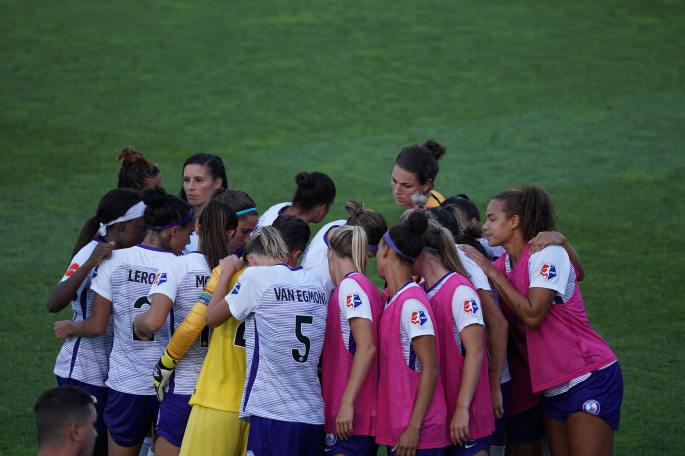
Leadership is a process that not only involves you having influence over groups or individuals, but as those same individuals or groups having influence over you. You cannot thrive as a leader without your followers also inspiring you to reach your true potential. This is precisely why we must create an athlete-centered approach to the environments we build when coaching.

Games-based learning for optimal athlete development

This is one of my number one coaching philosophies, and want I always teach to other coaches: games-based learning is the best training design to support long-term athlete development.

The key differences between coaching teams and individuals

If I said the word "coach" to you, you'd probably think of a person working in a team environment. But there is so much potential for all coaches, whether they are already working in a team environment or not, to hone in on their skills when working with individuals. Regardless of the coaching context, you must work to tailor your coaching, feedback, and advice to each individual.

Structuring session plans: GAG methodology vs. linear progression

Like many reading this, I grew up around some great player-centered coaches, but always around ones who prioritized technical skill development over game awareness and tactical IQ. Instead of playing game-realistic activities, we spent a significant amount of time developing isolated technical skills without any link to how those skills could apply to the game itself. Around the time that I started to coach the sport, the likes of the CSA and US Soccer began to make changes that would better facilitate skill development in the context of the game. One of those introductions included what Canada Soccer calls the 'GAG' methodology (game-activity-game), with the pretext of 'let the game be the teacher'.

Understanding BOTS & how to scan for quicker, correct decisions

Scanning goes far beyond what must coaches will shout out: "check your shoulder!". It needs to encompass a constant process of neck and eye movement, assessing ball, opposition, teammates and space.