Modern-day coaching methodologies and the power of positive psychology

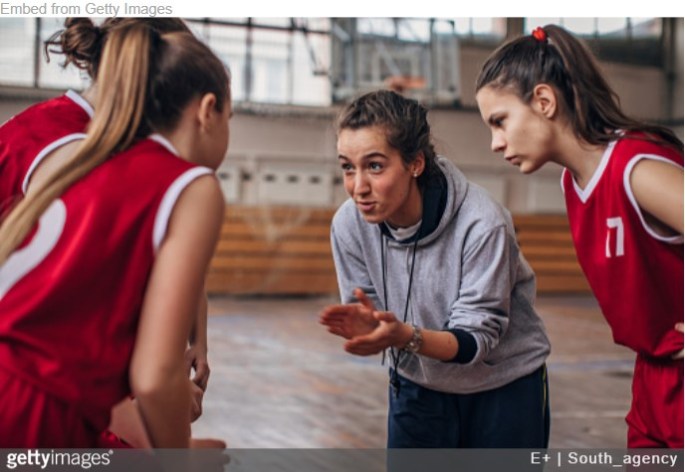
The days of yelling at players for not making it to first base are over! Or at least, they should be. Coaching has changed dramatically over the past twenty years. There is a new-wave of coaches that understand how they would want to be communicated to as athletes, and bring that to the forefront when they work with players of their own.

The best role changes of 2022-23 in the Premier League

There is nothing that fascinates me more about tactical team construction than how managers change the job titles of certain players to achieve certain results. That may be to combat a strength of an opposition, to bring out a strength in their own team set-up, to bring the best out of a player at their disposal, or even simply to fill a hole. I created an entire series around this premise called 'Game of Numbers', analyzing the various roles that individual players take up to help their teams achieve success. With that, I highlight some of the best positional tweaks this campaign, detailing how managers were able to get the best out of each player.

Games-based learning for optimal athlete development

This is one of my number one coaching philosophies, and want I always teach to other coaches: games-based learning is the best training design to support long-term athlete development.

Data-Driven Decision Making & Player Roles – Podcast Episode with Unlocked Football

During the pandemic, I probably watched close to twenty football matches a week. I got quite good at watching matches (i.e. analyzing football) but I didn't feel as though I was living the most well balanced life. It's cool to watch football for entertainment, but I no longer find it particularly possible. Even if I enjoy watching my favourite teams play, I'm always thinking about the site and how I can use my learnings from any given match to create content. For my line of work, I then find it imperative that I understand my purpose for watching football.

The key differences between coaching teams and individuals

If I said the word "coach" to you, you'd probably think of a person working in a team environment. But there is so much potential for all coaches, whether they are already working in a team environment or not, to hone in on their skills when working with individuals. Regardless of the coaching context, you must work to tailor your coaching, feedback, and advice to each individual.

Structuring session plans: GAG methodology vs. linear progression

Like many reading this, I grew up around some great player-centered coaches, but always around ones who prioritized technical skill development over game awareness and tactical IQ. Instead of playing game-realistic activities, we spent a significant amount of time developing isolated technical skills without any link to how those skills could apply to the game itself. Around the time that I started to coach the sport, the likes of the CSA and US Soccer began to make changes that would better facilitate skill development in the context of the game. One of those introductions included what Canada Soccer calls the 'GAG' methodology (game-activity-game), with the pretext of 'let the game be the teacher'.

The art of effective communication

Communication is one of the most important skills for young players to develop. It can sometimes be difficult for players to see past their own role on the pitch, but effective communication can propel the entire team forward and lead to a better team spirit. Here are some of the key words and phrases for players to remember in their quest to better their communication. 

Understanding the five corner model for player development & performance

As coaches, we must recognize that players have an array of qualities that make them unique on the pitch. We must also recognize that each of these unique pillars need to be paid attention to with dedicated attention and care.