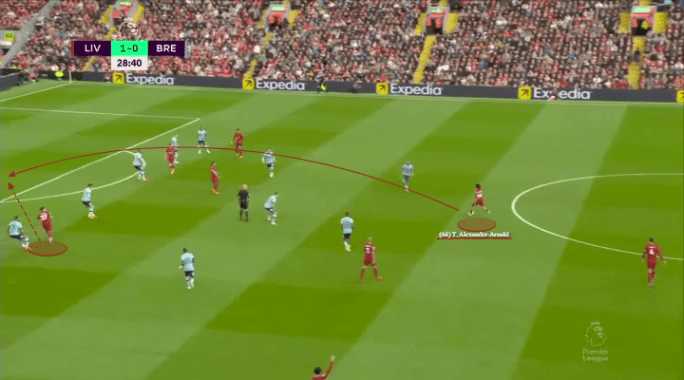
Game of Numbers #18 – Trent Alexander-Arnold in central areas

Over the past few weeks, Jürgen Klopp's Liverpool have been gaining not only traction in the league, but scrutinized attention over some new principles of play. That "new" principle involves the use of Trent Alexander-Arnold where all of us always knew he could excel, in central areas. I wanted to throw my hat into the mix, partially because there's an argument to make that this is not all that new.
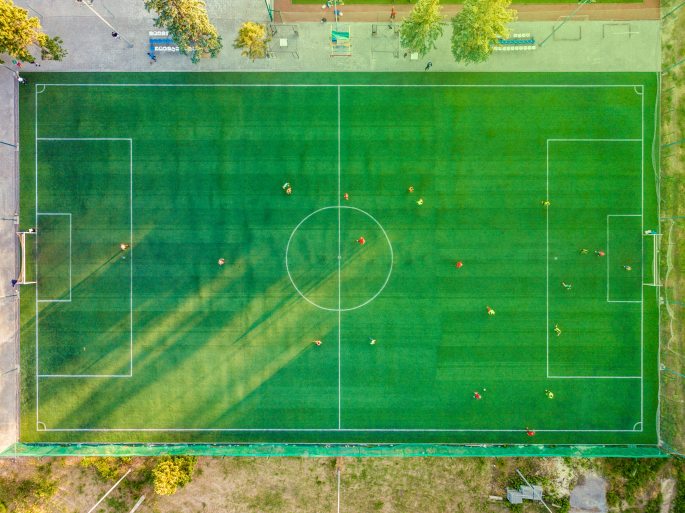
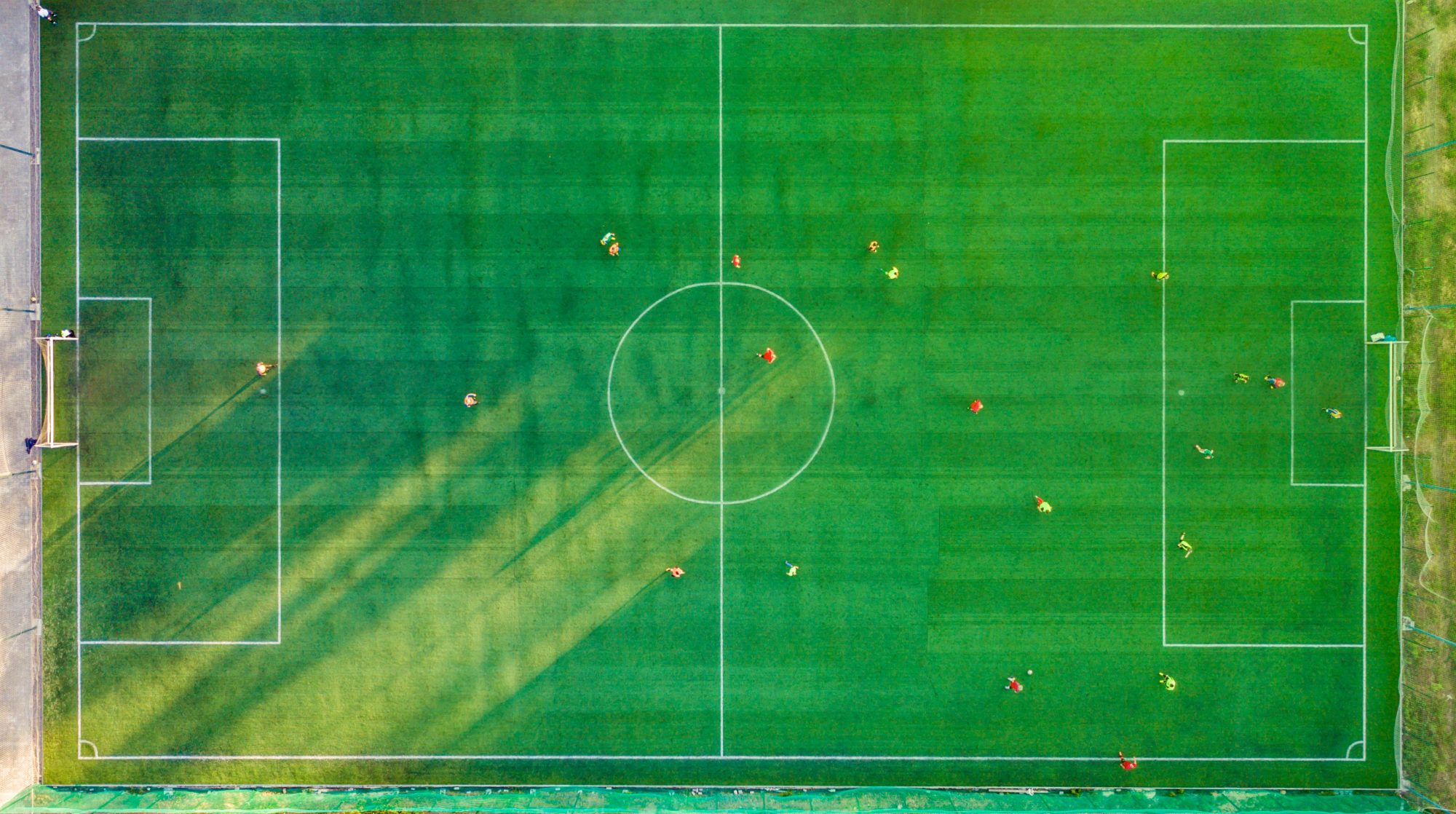
Games-based learning for optimal athlete development

This is one of my number one coaching philosophies, and want I always teach to other coaches: games-based learning is the best training design to support long-term athlete development.

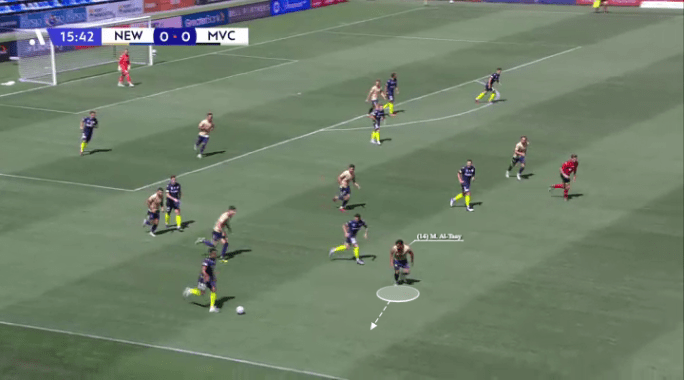
Why Wellington Phoenix signed Mohamed Al-Taay – Player Analysis

Ahead of the 2023-24 season, Wellington Phoenix's squad is looking bleak. But they are making active steps in the transfer market to improve upon their 6th place finish from 2022-23. New midfielders remain one of the first agenda items after the departures of first-team regulars Clayton Lewis and Steven Ugarkovic. In Mohamed Al-Taay, they've uncovered a 22-year-old gem who can tick all the boxes they need to become a more assertive side in the A-League. Here is what Al-Taay will bring to Wellington Phoenix, as we break down the defensive midfielder's game.

How athletes can improve their scanning and perceptions of BOTS

The number one aspect that separates elite players from amateur is the ability to make quick decisions under pressure. Elite athletes are better able to process information, and frequently take in more information when scanning their surroundings, even if scanning for shorter periods of time. But scanning, information processing and attention to detail are all skills that can be worked upon by athletes at any level, in any sport.

Data-Driven Decision Making & Player Roles – Podcast Episode with Unlocked Football

During the pandemic, I probably watched close to twenty football matches a week. I got quite good at watching matches (i.e. analyzing football) but I didn't feel as though I was living the most well balanced life. It's cool to watch football for entertainment, but I no longer find it particularly possible. Even if I enjoy watching my favourite teams play, I'm always thinking about the site and how I can use my learnings from any given match to create content. For my line of work, I then find it imperative that I understand my purpose for watching football.

Pep Guardiola – Manchester City – Tactical Analysis (2022-23)

For much of the 2022-23 season, Arsenal looked like genuine title favourites, with the Gunners in full flow under a former Pep Guardiola mentee, Mikel Arteta. But in the past few months, the Gunners have slowly started to slip away, and tip the scale back in favour of the team that have won four of the last five seasons. Pep Guardiola's team have been absolutely immaculate as the season has come to a close, under much in the way of new, evolving tactics. We break down the tactical undertones of Guardiola's team in 2022-23, and how they've evolved their approach in the quest for another league title.

The key differences between coaching teams and individuals

If I said the word "coach" to you, you'd probably think of a person working in a team environment. But there is so much potential for all coaches, whether they are already working in a team environment or not, to hone in on their skills when working with individuals. Regardless of the coaching context, you must work to tailor your coaching, feedback, and advice to each individual.

Structuring session plans: GAG methodology vs. linear progression

Like many reading this, I grew up around some great player-centered coaches, but always around ones who prioritized technical skill development over game awareness and tactical IQ. Instead of playing game-realistic activities, we spent a significant amount of time developing isolated technical skills without any link to how those skills could apply to the game itself. Around the time that I started to coach the sport, the likes of the CSA and US Soccer began to make changes that would better facilitate skill development in the context of the game. One of those introductions included what Canada Soccer calls the 'GAG' methodology (game-activity-game), with the pretext of 'let the game be the teacher'.