
As coaches, we must recognize that players have an array of qualities that make them unique on the pitch. We must also recognize that each of these unique pillars need to be paid attention to with dedicated attention and care.

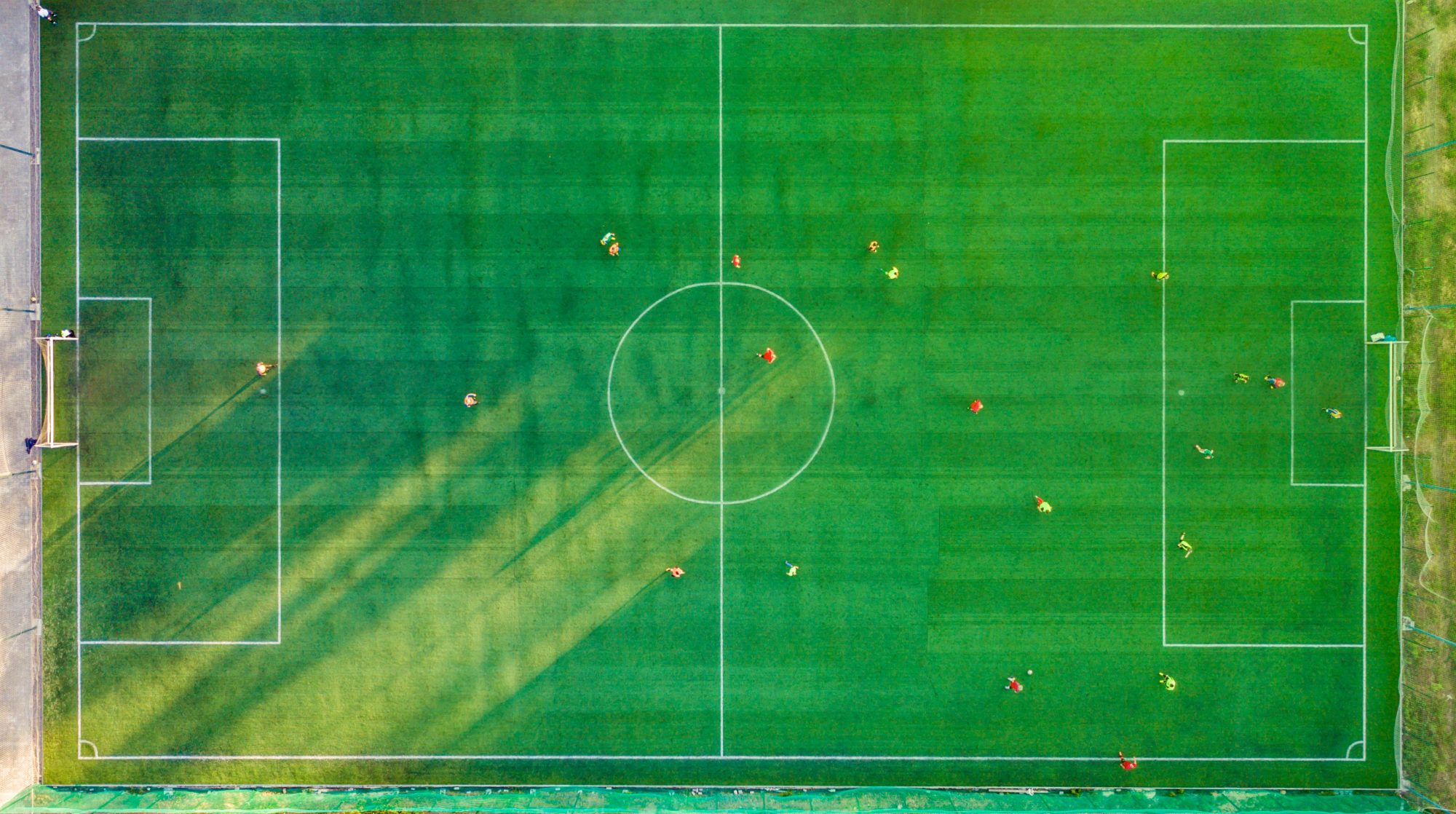
As coaches, we must recognize that players have an array of qualities that make them unique on the pitch. We must also recognize that each of these unique pillars need to be paid attention to with dedicated attention and care.

Across the past decade, I have worked with thousands of players and coaches across multiple sports and disciplines. I recognize the value of understanding the athlete/client from a holistic perspective and tailoring advice to their specific needs. I make a commitment toward positive reinforcement, research-backed insights, and making the experience FUN for those that work with me.
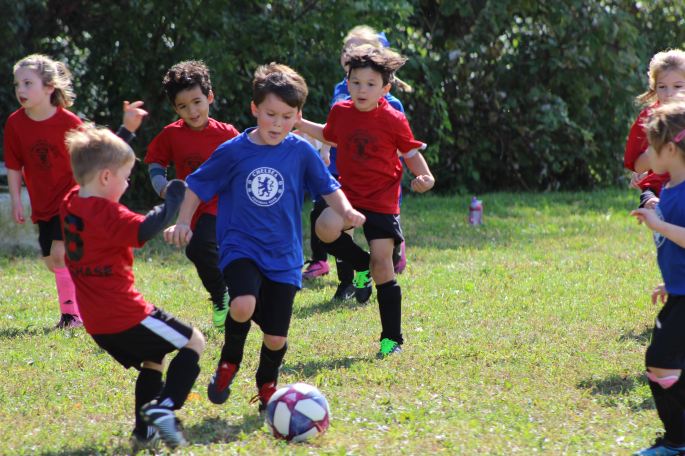
In the coaching community, there's often a discourse around how the technical elements of the game must be prioritized in the early stages of development, typically between the ages of 4-10. But that does not mean that tactics become a mute point. Simply helping to elucidate positioning and roles, and how to perceive space can all be considered "tactical" elements of the game. These can be taught without players needing to have technical foundations in place. Game awareness and game intelligence from understanding basic information around their role, position, and how to react to the space around them, will help a player to perform well on the pitch. This can be taught in combination to the development of techniques and skills. It does not have to be an 'either/or', nor does it have to be a matter of one coming before the other.

You cannot create a positive culture for your athletes if you cannot create a positive mindset for yourself. They will see right through you. They won't buy into what you're putting down. They won't trust that your coaching will lead them to success.

Next week, I wrap up my second time teaching a Coaching & Leadership course at the university level for a class of enthusiastic undergraduate students. I haven't had much control over the syllabus or in-class learnings either time I've taught the course, and one of the key areas missing happens to be the only form of coaching I currently do - online coaching. More coaches could take advantage of the online formats available to them, even if still working in club environments. Many endurance coaches, mental skills specialists, therapists and counsellours are already coaching almost exclusively online. Other sports and realms will start to catch up. It's only a matter of time before the online coaching boom begins to blossom, so you might as well start to practice your skills in this realm while it's still relatively new.

9v9 is one of the most exciting stages in the development of young players and can often be the first time they are truly able to understand positioning, formations and how to play to the strengths of their teammates. This Ebook gives coaches an opportunity to learn all the in's and out's of coaching 9v9, including tactics, formations, and game management.

Clubs, and certainly professional players, are not currently accessing this to the extent that would truly take their game to the next level. Yet so many youth coaches and younger athletes at the youth level remain unafraid to make that leap. Soon it will be those coaches and players who are already investing in their development as they work through the game, that will leapfrog those that continue to fall behind. Whoever takes the shot first will reap the rewards, and it's now up to the clubs and players to see the value.

The art of timing runs effectively as a forward is never an easy task, as it requires adequate scanning of the four pillars to the game: ball, opposition, teammates and space (BOTS). Most notably, the timing of the run has to match the timing of the pass from their teammate, and the timing of the movement from the opposition defensive players up or down. Both of these factors often remain out of the control of the centre-forward, and so it is not entirely their fault for an inability to stay onside. However, with proper scanning and adjustment, offsides can be avoided almost entirely.
 TheMastermindSite