How athletes can improve their scanning and perceptions of BOTS

The number one aspect that separates elite players from amateur is the ability to make quick decisions under pressure. Elite athletes are better able to process information, and frequently take in more information when scanning their surroundings, even if scanning for shorter periods of time. But scanning, information processing and attention to detail are all skills that can be worked upon by athletes at any level, in any sport.

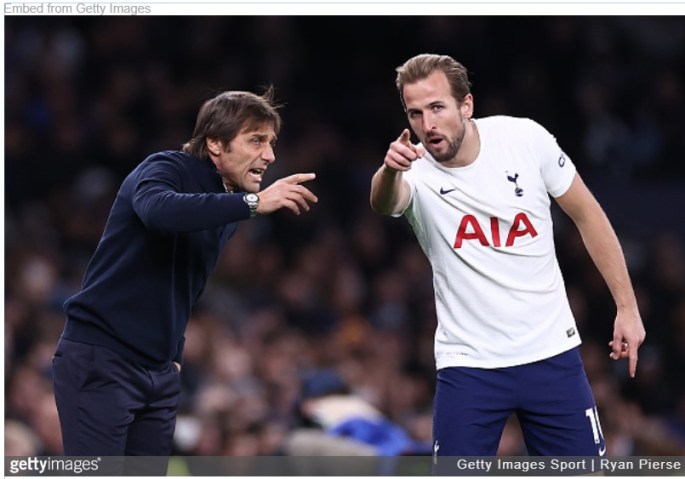
Understanding BOTS & how to scan for quicker, correct decisions

Scanning goes far beyond what must coaches will shout out: "check your shoulder!". It needs to encompass a constant process of neck and eye movement, assessing ball, opposition, teammates and space.

Understanding the five corner model for player development & performance

As coaches, we must recognize that players have an array of qualities that make them unique on the pitch. We must also recognize that each of these unique pillars need to be paid attention to with dedicated attention and care.

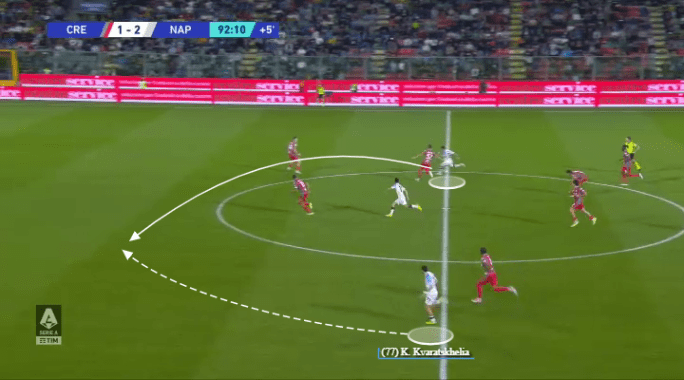
How to move off the ball like a world class winger

In the modern era, wingers can be as vital to scoring goals and creating chances as any other position on the pitch. Elite superstars like Mohamed Salah and Khvicha Kvaratskhelia have illustrated this to a tee this year, for both their goal scoring prowess and chance creation supremacy. But most young players aspiring to be the world's best struggle to see the finer details of exactly how the likes of Salah and Kvara find themselves in those scoring positions. With that, we break down how to move off the ball like a world class winger, with real examples from the likes mentioned above, in addition to Raheem Sterling, Marcus Rashford and Alex Morgan.

The simple vs. complex language debate in football tactics writing & analysis

On the one hand, it's nice that those in the community are continuously challenging each other to improve. On the other hand, I wish there was more of a recognition toward the simple fact that there is no right or wrong way to conducting analysis in football. This week the debates stemmed around the notion that simple language is obviously, unequivocally, the best approach when it comes to writing and analyzing football. I'm not sure which one of us wrote the article that tipped the scale and confused everyone, but I'm here to say that complex language can be incredibly useful if used correctly.

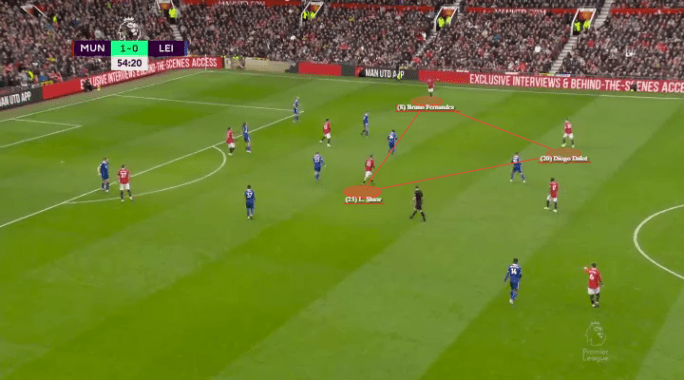
Game of Numbers #12 – Erik Ten Hag’s Positional Play Masterclass

Erik Ten Hag has deployed brilliant implementations of positional play all season long, putting on an absolute masterclass of how to confuddle the opposition into oblivion against Leicester City.

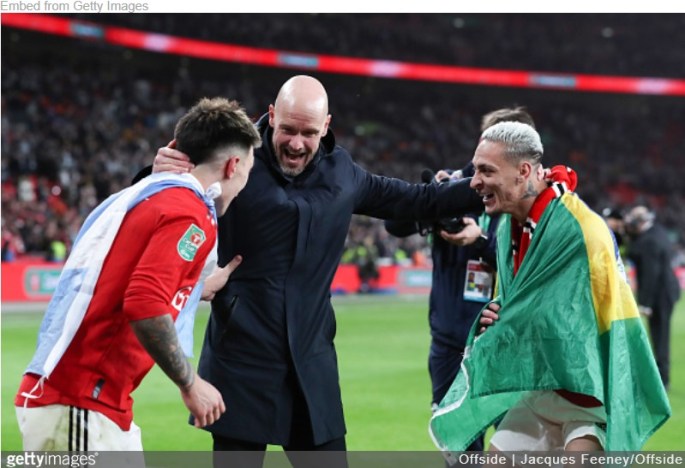
The advantages of having a player who doesn’t defend

We often look at a player who doesn't defend as a detractor. Players are told from a young age that they must defend, regardless of their position on the field. In many respects, this is true. But when you get to the professional level, roles can evolve in novel ways, and even incorporate a player who has limited defensive responsibility. It was refreshing to see two teams so clearly implementing a tactic around their attack-minded superstars at the 2022 World Cup, simply by having them prioritize the attacking side of the game. With that, I wanted to provide a potential argument into why having this type of tactic can actually be a valuable feature to a team going forward, without ruining their chances in defense.

How to organize the defensive line as a goalkeeper

With a wonderful view of the action, goalkeepers must be more than just shot stoppers, and participate actively and vocally in communicating with their mates. They should not be solely responsible for organizing the entire team, but have the ability to do so through the vantage point they have on the field, and often the fearless nature they behold. I've often found that some of the best communicators that I coach are in fact goalkeepers. But before answering the question, let's first discuss whether or not it is actually necessary for the goalkeeper to organize the defensive line.