The art of staying onside

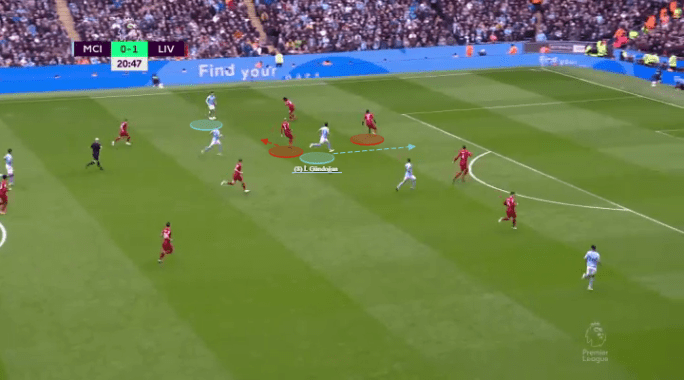
The art of timing runs effectively as a forward is never an easy task, as it requires adequate scanning of the four pillars to the game: ball, opposition, teammates and space (BOTS). Most notably, the timing of the run has to match the timing of the pass from their teammate, and the timing of the movement from the opposition defensive players up or down. Both of these factors often remain out of the control of the centre-forward, and so it is not entirely their fault for an inability to stay onside. However, with proper scanning and adjustment, offsides can be avoided almost entirely.

Game of Numbers #11 – How to dribble like Jude Bellingham

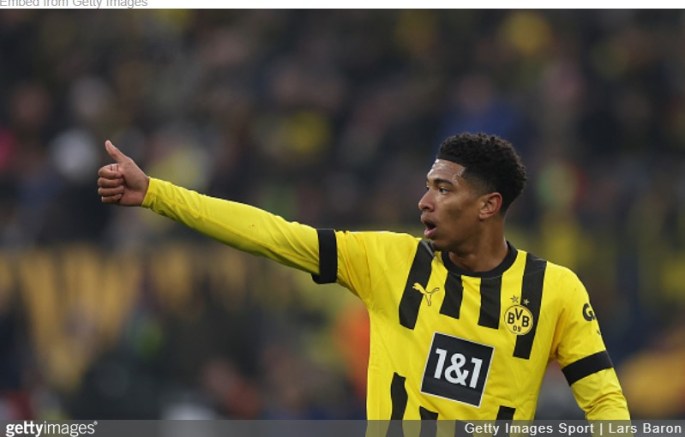
Without Jude Bellingham, where would Borussia Dortmund be right now? They've been missing Marco Reus, Mats Hummels hasn't been up to pace (literally), and all the newboys haven't quite hit the ground running as expected (perhaps Salih Özcan aside). This has meant that Jude Bellingham has needed to carry the weight of the team on his shoulders, getting on the ball at every turn to work his magic.

Explaining the Target – Player Role Analysis

Historically known as the 'Target Man', we've rebranded this term to be all encompassing. More than just about any role, the word 'Target' immediately paints a picture of the type of player we're looking for. That is, someone strong, typically tall, aerially savvy, robust, and frequently used by their team as a target for advancing up the pitch. In the hockey sense, they would typically be the one responsible for 'roughing up the opposition'

How to organize the defensive line as a goalkeeper

With a wonderful view of the action, goalkeepers must be more than just shot stoppers, and participate actively and vocally in communicating with their mates. They should not be solely responsible for organizing the entire team, but have the ability to do so through the vantage point they have on the field, and often the fearless nature they behold. I've often found that some of the best communicators that I coach are in fact goalkeepers. But before answering the question, let's first discuss whether or not it is actually necessary for the goalkeeper to organize the defensive line.

Explaining the Creative Link – Player Role Analysis

Creative Links are quite similar to our attacking midfielder persona - the 'Creative Ten'. The main difference is that they play up front, and typically conduct more of their play with their back to goal in linking up with their teammates. You could call them a 'False 9', a playmaking centre-forward, or something between a '9' and a '10.'

Explaining the Channel Runner – Player Role Analysis

Channel Runners are one of our most unique prototypes, based off the common phrase used for strikers that "run the channels". They typically exist in a front-two, and in teams that intermix moments of counter-attacking football with quick and incisive long passes over the top. The use of a striker in this manner remains a more common approach to life in the women's game, as strikers across all realms are becoming more versatile (and advised for that matter) in dropping into build-up play to receive the ball.

Explaining the Direct Goal-Scorer – Player Role Analysis

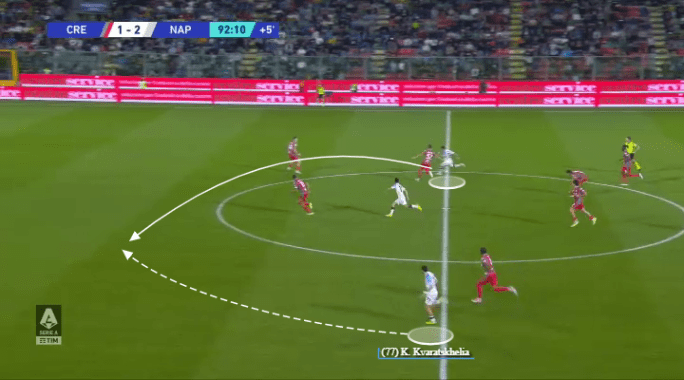
When on their day, 'Direct Goal-Scorers' can be some of the most entertaining footballers to watch, with a sense of raw intensity beating inside their heart every step of the way. Khvicha Kvaratskhelia has shown everyone exactly that this season at Serie A leaders Napoli, but the likes of Sadio Mané and Serge Gnabry have demonstrated their goal-scoring exploits for years.

Explaining the Dynamic Dribbler – Player Role Analysis

Throughout this series, we've endeavoured to avoid player types signified by a single set of actions and statistics. The 'Dynamic Dribbler' is one of the rare exceptions, as the art of 'dribbling' is an essential way for wingers to enact magic on the pitch, and become the magic wand sorcerers that we all know they can be. Here is our analysis of the 'Dynamic Dribbler', and their importance on the pitch.