
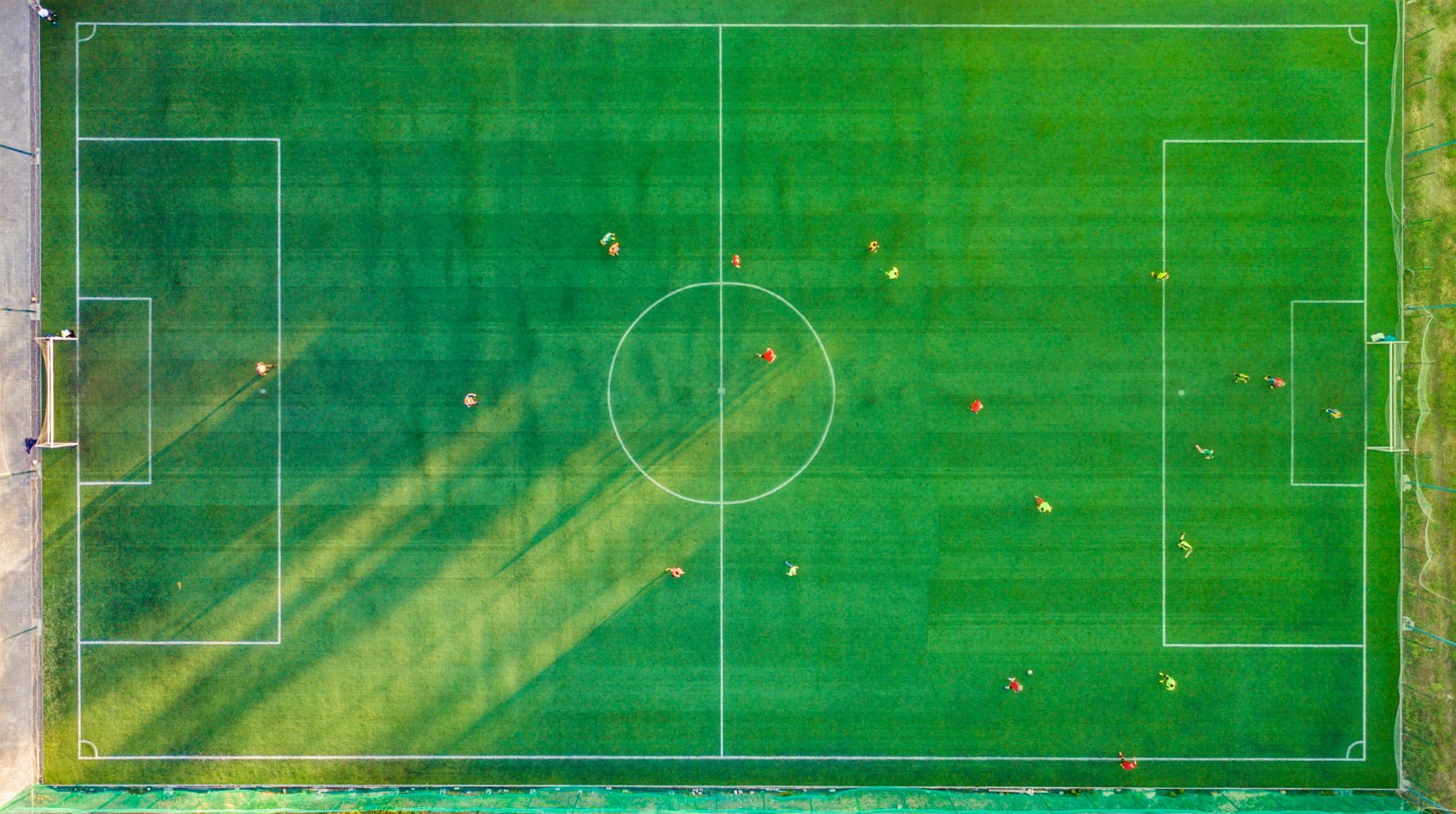
While coaching ideologies can generally apply across a myriad of ages and abilities, there are a few distinct differences. This includes:
1. A greater attention to detail at the high-performance level.2. A greater attention to position-specific training.
3. More complexity when adapting activities to add challenge/intensity.
I break this down in Coaching Craft – Newsletter #2 – Coaching high-performance athletes.
Here is a preview of how you can focus on the finer details in high-performance environments.1. GREATER ATTENTION TO DETAIL

At the high-performance level, you can spend more of a dedicated focus on the deeper details behind all five corners (i.e. tactical, technical, physical, psychological and social elements). This might mean I focus more on team-wide tactics that I want to implement for one specific team. Those team-wide tactics might be completely different based on my personnel in another team. I’m working to bring out the best in my athletes in all five corners at any level, but the amount of detail I can delve into within each of those five corners is simply more complex.

One of the ways that I like to do this is through game-realistic activities to help players recognize patterns and make quicker decisions. We call these ‘automatisms’ – as we’re looking to simplify decision making by making it more automatic. We do this by positioning players in the exact scenarios they will encounter in games so that they can readily recognize and perceive BOTS (ball, opposition, teammates, space), or whatever sport-specific elements apply to the specific sport.
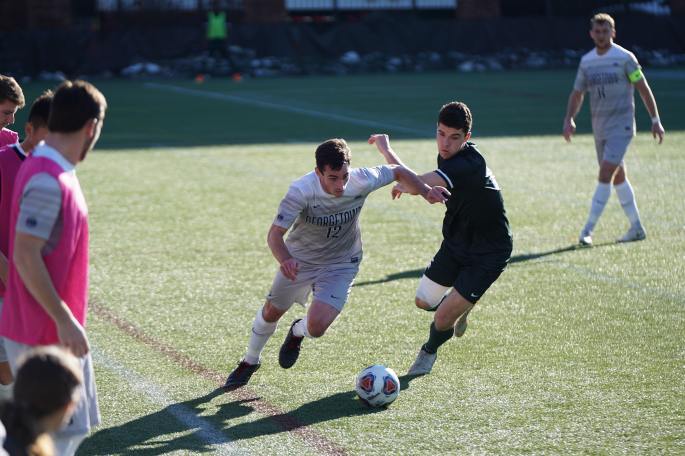
But I can also work with players in the deeper minutiae of their technical or physical capabilities than I would in a recreational, sport-for-all atmospheres, or with children below U11. For example, I can focus on all the biomechanics behind a shot (angle of hips, amount of lean, where they strike the ball, etc.), rather than the basics – like what part of the foot they should use in different moments.
Where many coaches go wrong is treating those recreational, sport-for-all, U4-U11 atmospheres like the athletes are pros (this extends to U12+). They’re not, and we should be looking to simplify as much as possible for these athletes rather than over-complicate with the detail we add.
SEE THE FULL ARTICLE IN OUR NEWSLETTER
SEE MORE FROM RHYS!…
How to coach pressing & the five most common pressing triggers
Pressing was all the rage from the late 2010’s to the early 2020’s. Some of the most successful teams across that period played a “high-pressing” game, including Liverpool, Borussia Dortmund and Bayern Munich. But today, press and possess styles of play have started to die out. Brighton have been the best example of a team…


Matheus Cunha is crazy, but that’s part of his charm
Always playing on the edge, getting in the face of the opponents, and dancing his way through celebrations, Cunha is the fighting spirit that can bring United out of a slump.

The standout U-23 players in the Premier League so far in 2026-27
The Premier League is known for being the most demanding, competitive league in the world. But that has never stopped the world’s best young players from gaining substantial minutes on the field. It’s not just other European leagues where young players can learn their trade before making a big move to one of Europe’s elite.…
Discover more from TheMastermindSite
Subscribe to get the latest posts sent to your email.

