

In the past two years, Bernardo Silva has gone from a very talented footballer that occasionally would come on and make a difference for Manchester City, to one of the best players on the planet. Silva does the simple things very well while simultaneously making the complex look very, very easy. The decisions he makes on a football pitch are absolutely brilliant and he's even grown into a player capable of playing not only on the wing but in central midfield as well. This is a tactical analysis of Manchester City's supreme star, Bernardo Silva.
Tag: Positions
Oleksandr Zinchenko – Tactical Analysis
In a team full of superstars, 22-year old Oleksandr Zinchenko often does not get the credit he deserves in Manchester City's back-line. This is in part due to simply not being a big name player, having come from the academy at Shakhtar Donestk rather than one of Europe's more illustrious outfits. But the Ukrainian left-back has been a key component to Manchester City's success with little recognition.
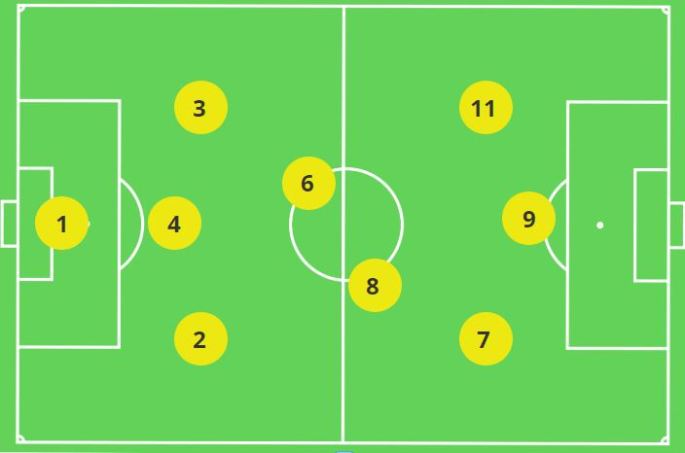
Positions, Roles and Responsibilities in the 3-2-3 (9v9)
Over the past year of coaching 9v9 soccer, the 3-2-3 has become my favourite formation to use. I am a firm believer that the formation of any team should not be based around a club identity or a coach’s personal style of play, but rather based around the team’s style of play and the personnel of the team. However, I have found that the 3-2-3 is fantastic in suiting nearly every type of player and the simple and easy variations that can be created using the formation such as shifting into a 3-1-3-1, allow coaches to tweak and change their style of play to fit the needs of the vast majority of youth soccer players.
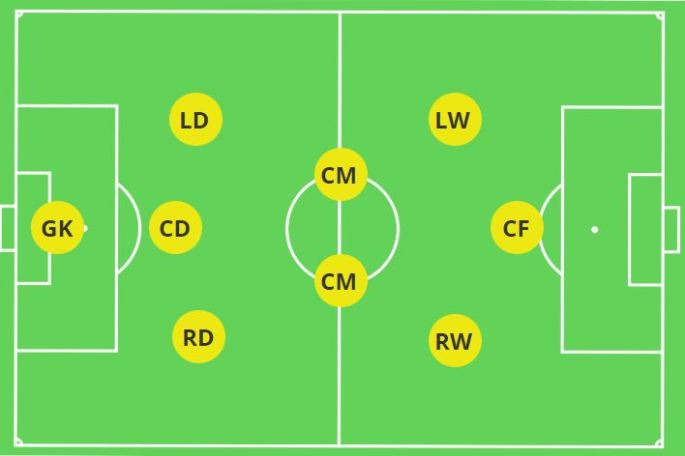
Coaching the 3-2-3 (9v9)
Over the past year of coaching 9v9 soccer, the 3-2-3 has become my favourite formation to use. I am a firm believer that the formation of any team should not be based around a club identity or a coach's personal style of play, but rather based around the team's style of play and the personnel of the team. However, I have found that the 3-2-3 is fantastic in suiting nearly every type of player and the simple and easy variations that can be created using the formation such as shifting into a 3-1-3-1, allow coaches to tweak and change their style of play to fit the needs of the vast majority of youth soccer players.

Is U13 Too Early For 11v11?
When Long-Term-Player-Development (LTPD) was introduced to soccer in Canada in 2008, one of its many goals was to shorten field sizes, game times and players on the field in accordance with what would be most beneficial for the development of children. Now, eleven years on from all the changes which have widely been accepted and … Continue reading Is U13 Too Early For 11v11?
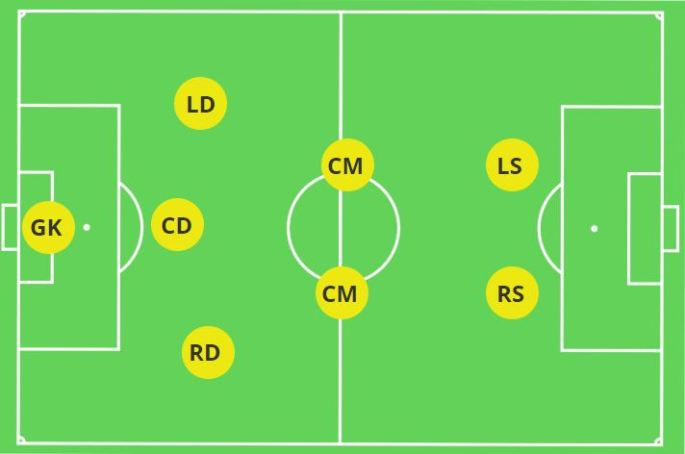
Best Formations for 8v8
Before the USSF switched to 9-a-side for U11 & U12, 8-a-side was the common standard. Today, 8v8 is not a common playing format. However, it is useful to discuss from a 9v9 standpoint, to elucidate what formations might be useful when a team has to play short. Here are the best formations for 8v8, a … Continue reading Best Formations for 8v8
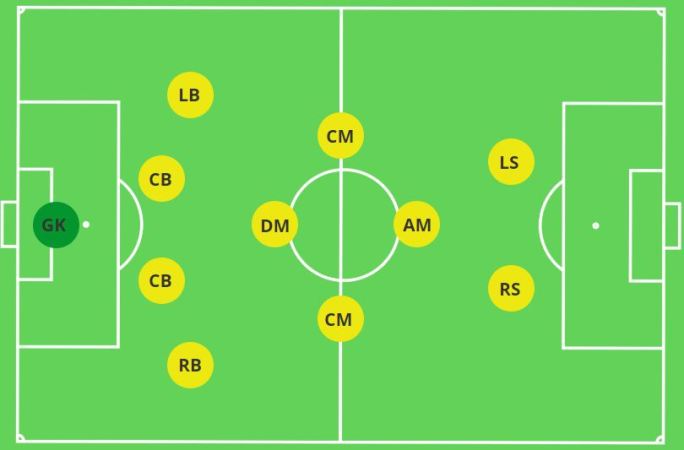
Best Formations for 11v11
In the ever-changing world of football, dozens of formations are being used on a day to day basis around the globe. Choosing the right formation can affect the balance of the game, while the decision of which formation to play can also be instrumental in getting the best out of the players a manager has … Continue reading Best Formations for 11v11
Why Fernandinho Is Manchester City’s Most Important Player
For the first time in the Guardiola era, Manchester City have been handed their third loss in the span of four matches. The Citizens have looked lackluster since falling 2-0 to Chelsea at the beginning of December and their troubles have only gotten worse with two defeats to mid-table teams in Crystal Palace and Leicester … Continue reading Why Fernandinho Is Manchester City’s Most Important Player
 TheMastermindSite