
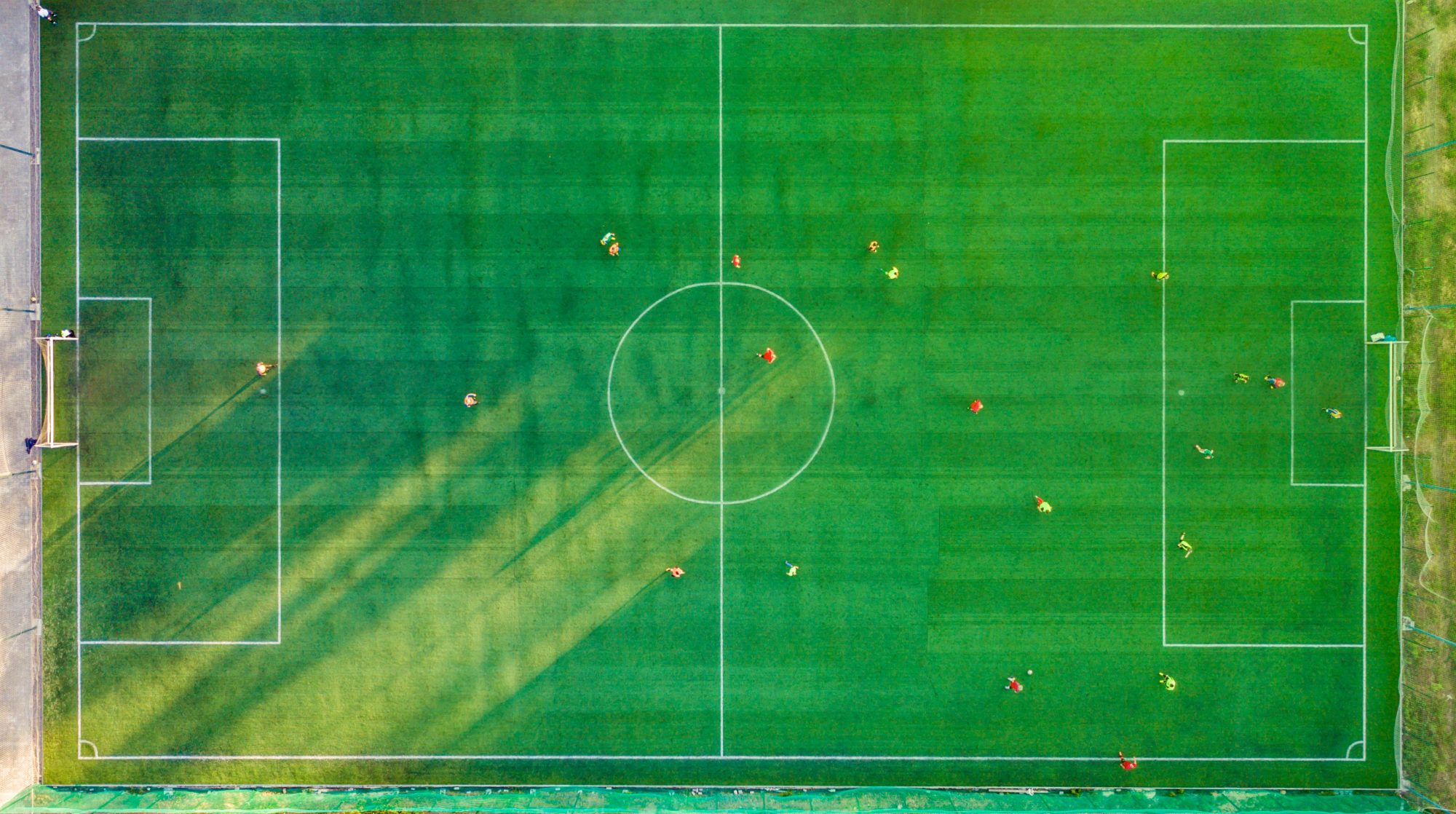
Like many reading this, I grew up around some great player-centered coaches, but always around ones who prioritized technical skill development over game awareness and tactical IQ. Instead of playing game-realistic activities, we spent a significant amount of time developing isolated technical skills without any link to how those skills could apply to the game itself.
Around the time that I started to coach the sport, the likes of the CSA and US Soccer began to make changes that would better facilitate skill development in the context of the game. One of those introductions included what Canada Soccer calls the ‘GAG’ methodology (game-activity-game), with the pretext of ‘let the game be the teacher’.
Embed from Getty ImagesThis sentiment is something I completely subscribe to. There is no better way to teach skill development than to have players develop those skills whilst playing the game. I like to go even as far as to make my warm-ups and cool-downs applicable to the game in as many ways as possible.
But the GAG methodology is not without its detractors. For one, if coaches don’t have the tools to bring out those skills in the context of a game, the GAG methodology is naturally less effective. That’s because instead of taking dedicated time to develop repetition and learning through a logical flow and structure, you’re immediately putting players into a game where their natural focus will be less on the actual topic at hand.
That’s even more of an issue when you consider one of the essential reasons why the GAG methodology is imposed by many sporting bodies – it helps coaches who don’t know what they’re doing.
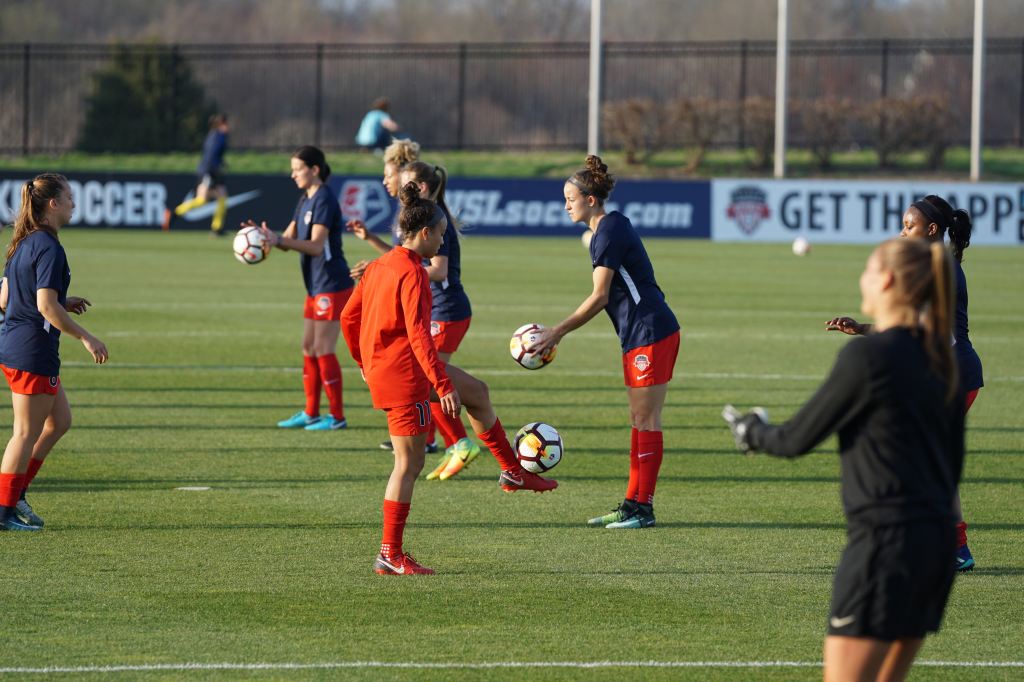
Adopting the approach is a sure-fire way that players will get loads game-time, and optimal skill development within game-realistic encounters. U7 coaches who are less familiar with the sport will stop wasting time working on corner kick routines and actually work on the moments that happen every second of the game.
With the right knowledge and experience in place, coaches should have the autonomy to work within the bounds of their own teams and their own environments, and set-up their sessions to have a logical flow from one progression-point to the next. The GAG methodology is great in that it allows plenty of time for games, but optimal learning generally happens in stages, where players can learn new concepts gradually and then apply their learnings to the game. GAG attempts to facilitate that process, but is not the best way of creating an environment where learning outcomes can be stacked logically from one block to the next.
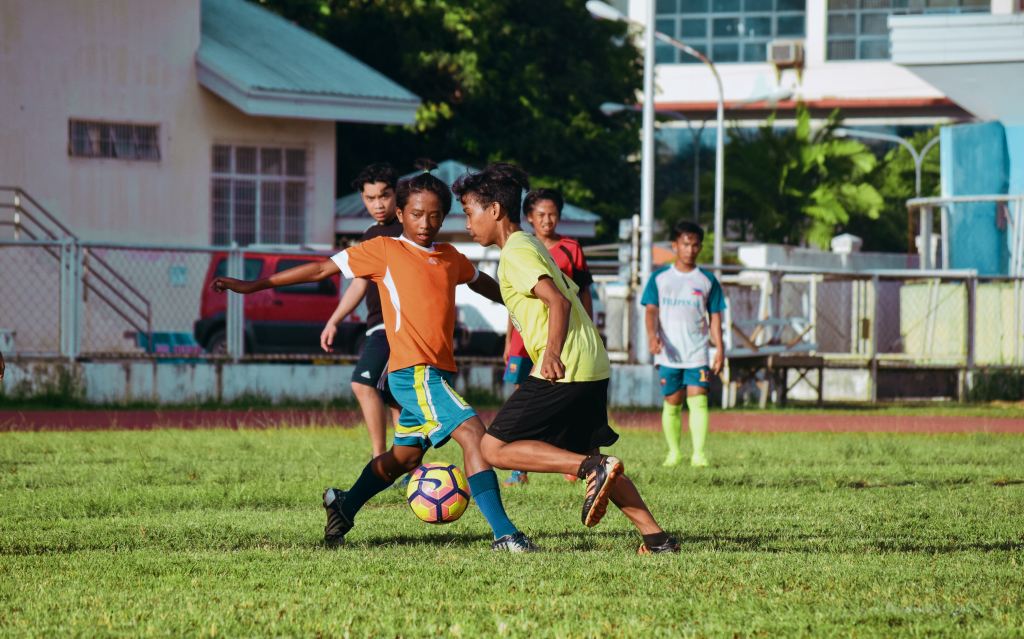
Even more so, when the “analytical activity” (the ‘A’) is also supposed to resemble the game, coaches adopting the GAG or GAG-adjacent methodologies aren’t focusing on technical skill development for 50-minutes, and then leaving ten minutes at the end for the game (but only if the players earn it!!). They’re essentially introducing three games that allow players to focus on technical and tactical skill development all wrapped up in one. They’re developing game understanding and tactical IQ in harmony, and then linking how that actually applies to situations they will then see in the game.
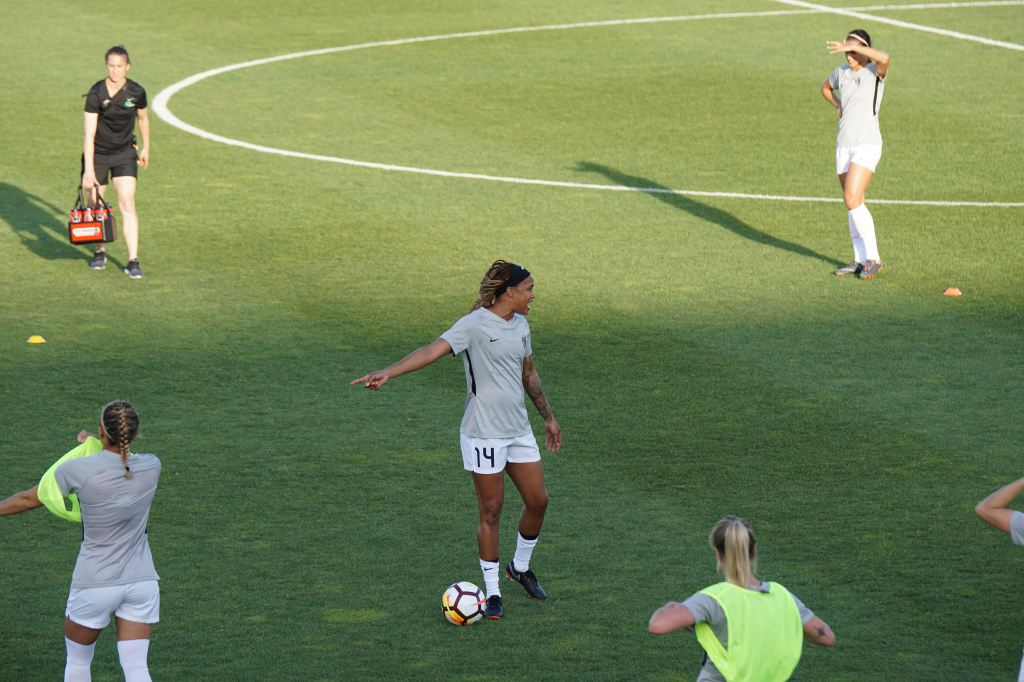
So you have three games. One of those games is meant to be a greater focus on the actual topic you have on your hands. It’s meant to encourage repetition of the intended learning outcomes, so that players will then be more comfortable using those skills for the next game. So why not put that game-realistic activity first, before the two games?
Without that progression, you’re missing out on seeing all of those benefits applied to the game for a longer period of time. We know the GAG methodology works in bringing out a fun, game-centered-approach for players, but what if you could reverse the order on two of those letters, and get even better outcomes?
Embed from Getty ImagesAll of the studies surrounding the whole-part-whole methodology point to awesome benefits:
-> Greater tactical understanding and cognitive learning
-> Greater application of skills in practice to the game itself
-> More opportunities for teamwork, 1v1 interactions, scoring goals, fun.
But none of these studies look to see if a part-whole-whole or ‘AGG’ methodology could actually be better for supporting learning. All of those same outcomes can still be achieved by reversing the activity and the game. Rather than going up the mountain and then down, only go to back up, you can simply go up the mountain the entire time and then reach the summit.
With that, here is the structure that I follow for my sessions, and what I teach to university students to support an optimal game-centered approach to learning.
1. Ball-oriented warm-up, incorporating possession-based principles and key learning outcomes for the practice.

This often incorporates periodic and scattered dynamic movement patterns. The aim is to warm-up the muscles, but also the brain and the technical foundations for what is to come.
2. Game-realistic activity based on the key learning outcomes without both nets as targets.
By introducing a different scoring method, we are working to bring out our session topic and the desired learning outcomes for players.
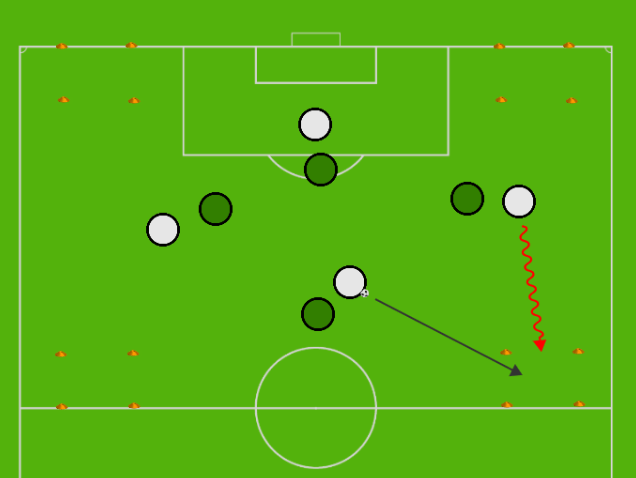
Let’s say that your session is about “movement off the ball”…perhaps even “switching play”. You can introduce a scoring method that better allows your players to get the hang of the topic, and focus on what you are trying to accomplish.
If we go straight into the game after the warm-up, the players are less focused toward the art of moving off the ball or switching the play, and more focused on scoring goals.
3. Small-sided game with 1-2 two nets

We then set up a game with players in their positions/roles, and play with either one or two full-sized nets. If only one net, we set up a scoring method around the halfway line so that both teams have something to work toward. This is a great way of keeping games fresh for those that don’t have access to another full-sized net.
From here, we may progress again to play a small-sided game with both full-sized nets when available, ensuring for a direct application to the game as much as possible.
4. Cool-down: Players’ choice.
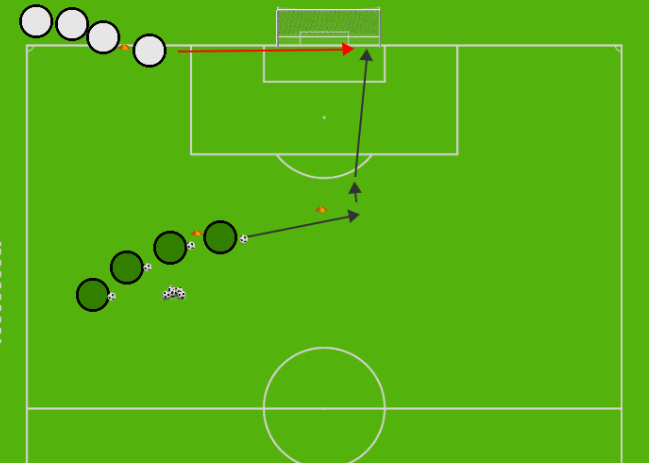
The players then select a cool-down option from a few different activities we’ve introduced throughout the season. We usually have a final cool-down afterwards that incorporates the ball in some capacity, involves reflection, and stretching. I find it’s okay to make this activity less game-realistic, and even to incorporate lines (which in all other circumstances I ask coaches to avoid). The point (like the entire session) is to emphasize fun, and encourage them to cool-down their muscles by making it an enjoyable experience, rather than an arduous one.
Embed from Getty Images
By setting up the session in this manner, you can gradually introduce the learning outcomes you want your players to adopt without having to jump right into the game. This gives players a chance to gradually increase their knowledge, understanding and application as you move through the session.
For anyone that adopts GAG either religiously or in certain circumstances, I’d love to hear from you about when you find it the most effective method for structuring your sessions. Thanks for reading and see you soon! 👊⚽
YOU MIGHT ALSO ENJOY…

Sebastian Berhalter has become the Whitecaps’ most important player
With his all-around quality, it’s abundantly clear. Sebastian Berhalter is the Whitecaps’ most important player right now. His performance against Portland was one of the finest individual performances of any player so far this season, and continues to help cement the ‘Caps as one of the most cutthroat teams in the league.


Sports Analysis for Journalism & Content Creation – Ebook
I’m sure you’re already familiar with the world of sports media and journalism. You’ve probably grown up watching sports channels, seen Instagram reels, and witnessed the new wave of media begin to replace a lot of the traditional outlets. With that, I want you to think of a typical person that you’ve seen in sports…

Benjamin Šeško is United’s best striker in years
With four goals in his last five matches, Šeško earned himself the Premier League’s Player of the Month award for February. This, in just 85 minutes of making an impact off the bench. If he can continue to grow from here, the 22-year-old will almost certainly stake his claim as United’s best striker in years.
Discover more from TheMastermindSite
Subscribe to get the latest posts sent to your email.
 TheMastermindSite
5 thoughts on “Structuring session plans: GAG methodology vs. linear progression”