
Calling all players for another challenge! Test your ability with our 1v1 Skill Moves Player Development Card. Just print this PDF and check off your progress as you go.
Calling all players for another challenge! Test your ability with our 1v1 Skill Moves Player Development Card. Just print this PDF and check off your progress as you go.
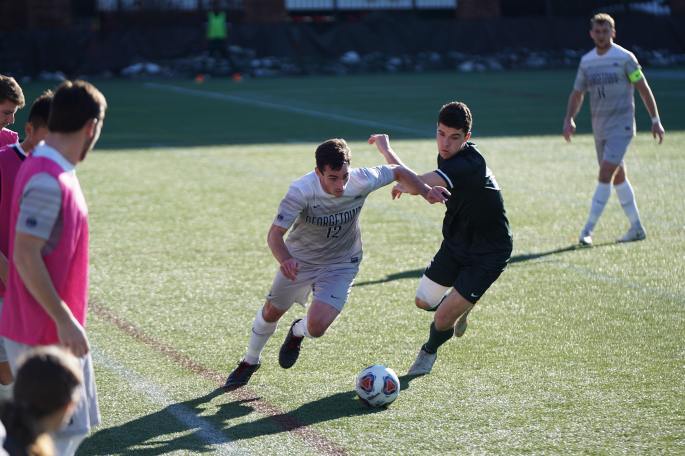
In my early days of coaching, I picked up very quickly on the fact that players developed an affinity for positions that they played more often. Therefore sometimes when a positional change became necessary, simply playing the player in that position more regularly allowed the player to develop greater confidence and affinity for playing in that position. These effects occurred even when the player started out by dreading the role and thinking themselves to be ill-equipped to perform there. In psychology, this is called the "mere exposure effect". Quite simply, by having more exposure to something, one's motivation, desire and enjoyment of that thing can often be elevated to higher heights. This is relevant for both players and coaches. But how? Here is why this phenomenon is relevant for both coaches and players and how they can use an understanding of the effect to further their craft.
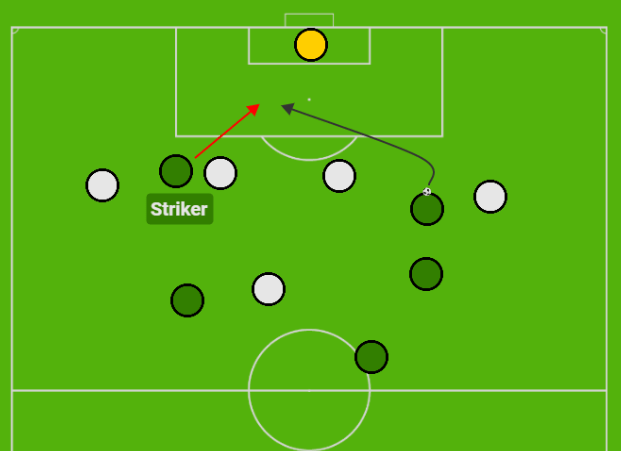
It's practically undeniable that a striker's number one role in a team is to score goals. But the actual art of scoring goals is so much more complex than many think. It comes down to far more than just finishing ability and instinct. Movement, particularly movement done off the ball, is so important to a striker's ability to score goals. The very best are masters of the art. Some are incredibly adept when it comes to movement in deep and linking up play with others lower on the field. But this article will explore those that are particularly adept at timing their runs into the box to perfection and scoring goals from their stellar movement off the ball. Here are 7 different movement patterns the world's best strikers often use in games to score goal after goal, game after game.
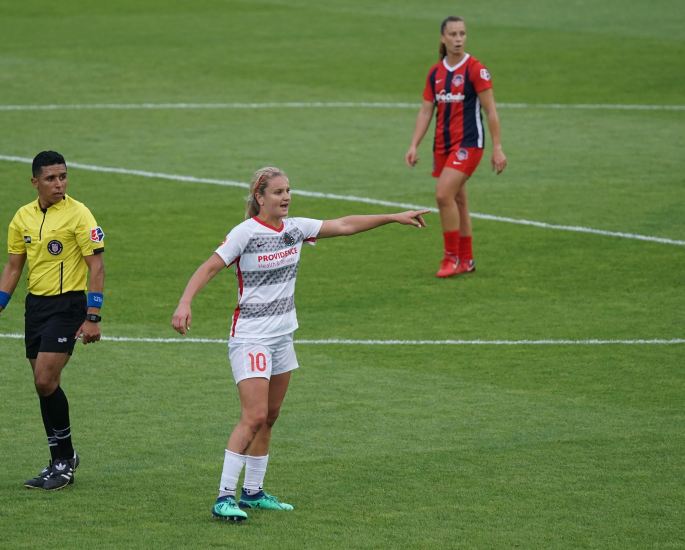
Communication is one of the most important skills for young players learning their trade in the beautiful game to develop. Communication is not just all about players shouting at each other and calling for the ball. It goes far beyond that to non-verbal communication, body language, and even knowing when not to communicate. Here are some of the key words and phrases that young players can communicate to their teammates during games.
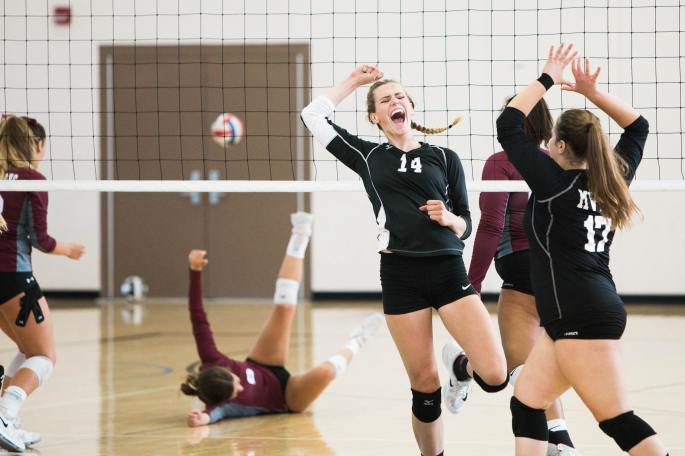
In any sport, a team captain can be invaluable if the right person is given the role. Team captains shouldn't just be the best players on the team or the player that the coach likes the most, it's about having certain qualities that make that player a good leader and a reliable force on the team. These are some of the most essential qualities for any good sports team captain to possess.
Over and over again, young players around the world receive the ball from a passing player, square on, with their back turned to goal. This limits a player's ability to pass the ball forwards and keep play moving. Instead of receiving the ball square on, players must maintain an open body shape, aka receiving the … Continue reading The Importance of Receiving the Ball on the Half-Turn

