


Back in January 2023 I appeared on the Unlocked Football Podcast, hosted by professional footballer Zachary Ellis-Hayden!
Beyond data-driven decision making and player roles, I delve into some of the minutiae behind the current Canadian soccer landscape, and how we can create optimal environments for athletes to excel. The full episode can be found here:
Out of all the interviews I’ve done, I found Zach to be the best at asking questions and keeping the conversation interesting. Here are some of my key takeaways from the discussion:
WHAT’S THE POINT IN ALL THIS FOOTBALL TALK?

During the pandemic, I probably watched close to twenty football matches a week. I got quite good at watching matches (i.e. analyzing football) but I didn’t feel as though I was living the most well balanced life.
Since 2021, I’ve prioritized work in other realms outside of football, and have even had the honour of being able to teach at the university level. Now my time to watch football is condensed, so I watch whatever I find most interesting. I never miss a Dortmund game, rarely miss a United game, and try to catch as much CPL as possible. But the days of watching every single Premier League and Bundesliga match are over.
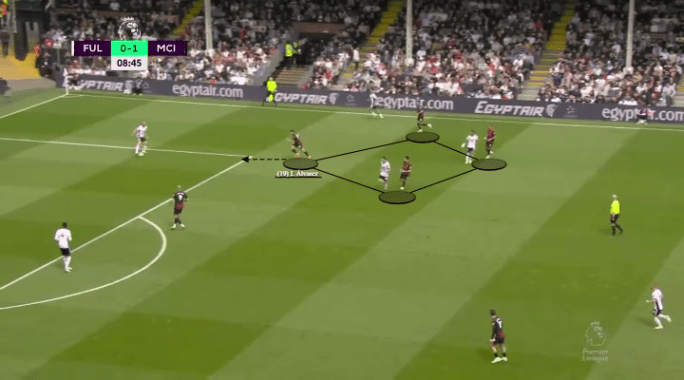
That allows me to spend more of my time watching football for actual purposes toward the site. I spend time working with pros, high school players, coaches, even agents(!) to watch clips and analyze footage that will help them in their development through my consultation. I also watch match footage and video clips whenever settling on a specific topic for the site, helping me to distill the key information.
How to use Wyscout for successful football analysis
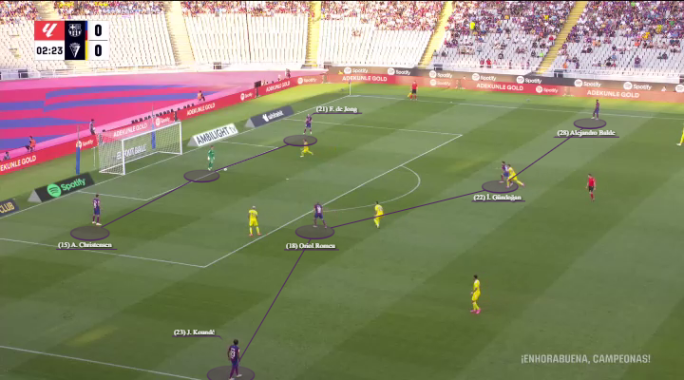
It’s cool to watch football for entertainment, but I no longer find it particularly possible. Even if I enjoy watching my favourite teams play, I’m always thinking about the site and how I can use my learnings from any given match to create content. For my line of work, I then find it imperative that I understand my purpose for watching football.
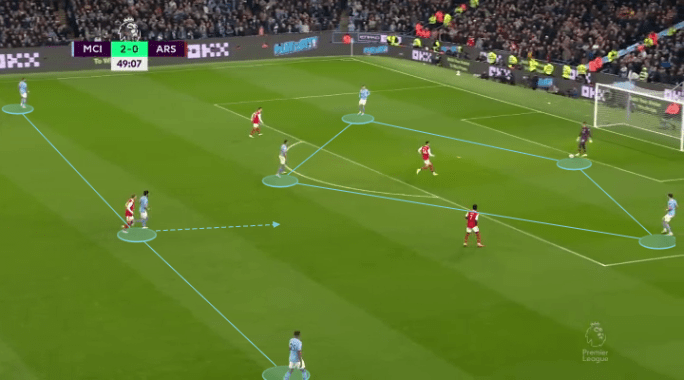
You may have notice that I do less team analyses and more individual player analyses than seasons past, particularly through Game of Numbers. I find it fascinating how individual players influence the dynamics of the entire team, and see that as a particularly valuable aspect of the game to study in greater depth.
This has more potential to benefit the players that I coach through my consultation, than the in-depth 3,000-word team analyses of the past.
On this note, I often receive articles from writers or companies wanting to promote their work on my site. The number one thing that stops me from moving forward 99% of time is down to this simple fact: They’re missing the ‘so what?’. If your article does not have a “so what?”, what is the point? This is something I hold dear to my heart, making sure I’m creating content that has a deeper purpose of helping and educating others. I want to help you grow your game understanding whether you’re a player, coach, scout, agent, fan or whoever you are in football! That’s my purpose with TMS, and that is what I will always strive for in producing content.
DATA-DRIVEN DECISION MAKING

In the podcast with Zach I dig deep into the archives of the famous soccer economics book Soccernomics. There’s a wonderful chapter in the first edition of the book about how blonde players were more likely to be scouted than others on the field, simply because their hair colour made them stand out. No wonder so many players dye their hair blonde now!
Embed from Getty ImagesNow that we have “data-driven decision making”, this never happens in the modern game! A club like Liverpool are now identifying players through the data-driven software available to them, to fulfill a certain role at the club. For example, when they were preparing for the inevitable exit of Sadio Mané, the Reds turned to the data and scanned the market for a player that could play a similar role, with similar traits, at a similar level of play. Naturally, Luis Diaz would have been a player who popped off the page. We thought so too, in our ‘Finding the next Sadio Mane‘ piece.
Embed from Getty ImagesBut unlike our article, Liverpool did not stop at the data. They then took to the field and scouted Luis Diaz through both live matches and video footage, ensuring he’d fit all of their “press and possess”, “heavy metal football” mottos. This is where the term “data-driven decision making” comes to life.
However, the Liverpool example also points to something else important when it comes to the use of data in football. While data can be a great starting point, it should never be the end point. Liverpool didn’t stop at the data when they were deciding whether or not to sign Luis Diaz. They went out and actually watched him play. They used the data to inform next steps, not to inform the decision.
Embed from Getty ImagesThis is where data in football is powerful, but should never be used in isolation. Often times high school players that I work with want to get data from their match footage. This is so cool to see. But I have to be super clear with these players. The data ultimately does not matter. It’s what we do with that data. It’s how we use the data to inform performance. It’s how we use the data to inform what we should do differently in actual scenarios that occur on the pitch. I can calculate a relatively close idea of a player’s xA or xG. But those numbers don’t actually matter. What matters is the ability to sit down with the player and discuss specific moments where they made passes or took shots on when better options were available. We can use that xA or xG score to say, when you get into this position on the field, this type of pass is more likely to result in a goal due to considerations around the ball, opposition, teammates and space. But it is never the end point.
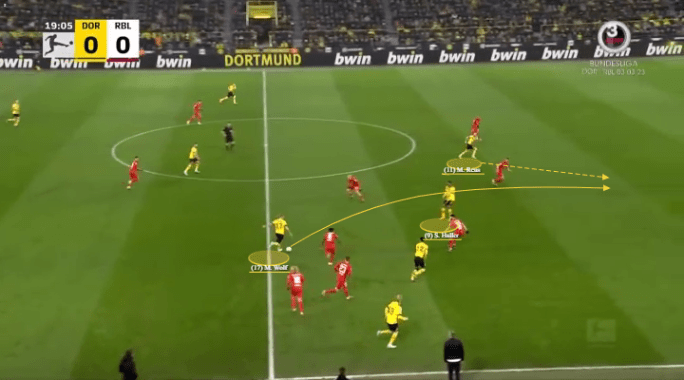
That’s when Zach then asks me to spell out data points that are important for each position, and I kind of fluff the discussion. What’s more important first are the specific roles that players exude on the pitch (rather than their position), as that says more about what the data should tell us. But secondary to that, there are very few data points that consistently matter even within a player’s role. Take two ‘Inverted Fullbacks’ like Oleksandr Zinchenko and Kyle Walker, and their role still looks very different; going far beyond just coming inside to spray nice passes and create central overloads.
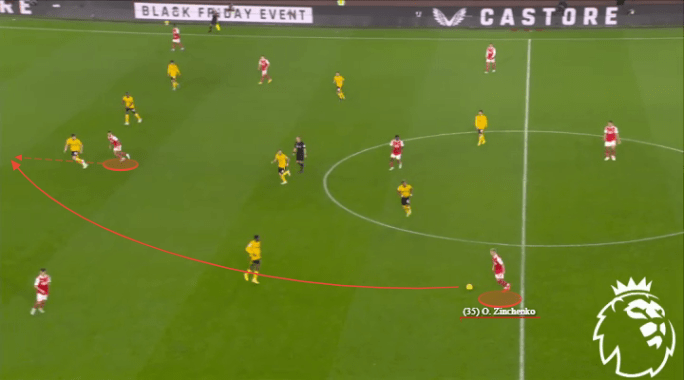
Zinchenko excels at switching play and nicely playing these looping long passes into dangerous areas. Walker meanwhile is incredibly dynamic and recovers remarkably well in transition. They play the same position of “full-back”, often operate in the same role as “inverted full-backs”, but even they have different data points worth studying and scrutinizing over.
Each individual is so different, and that is where I work with players to help them understand their strengths and weaknesses through the data (but more so through their decision making and performance), and how we can then use that information to propel their career to the next level.
Embed from Getty ImagesSo please don’t get confused when pontificating about “data-driven decision making”. It does not mean that a machine is doing all the work. It means the data is informing what next steps we take in the process, and how we relay information to players. The data in and of itself is only useful if used to inspire players to make better decisions and perform to a higher level.
This was a great discussion with Zach and I definitely appreciate being able to appear on the Unlocked Football Podcast. Definitely make sure to give the podcast and Zach a follow on all the various platforms: @zach.eh. Thanks for reading and see you soon!
YOU MIGHT ALSO ENJOY…

Picking the 2025-26 Premier League Team of the Season
Every time you open social media and listen to the noise of the 2025-26 Premier League season, you will often hear cries of “worst season ever.” Even Arne Slot called the league “boring”. I beg to differ. This feels like a season that will come down to the final day, and still have plenty to…


Tottenham win the award: Most disastrous season in Premier League history
With one of the highest wage bills in the league, if Tottenham succumb to relegation, this will be one of the most disastrous seasons of any top-flight side.

Picking England’s 2026 World Cup Squad
The World Cup is just a few months away, and Thomas Tuchel already seems to have a clear idea of both his squad and how he wants England to play. His teams are built on energy, physicality, and discipline — players who stick to their roles and execute a system, rather than drift and freelance.
…
Discover more from TheMastermindSite
Subscribe to get the latest posts sent to your email.
 TheMastermindSite
One thought on “Data-Driven Decision Making & Player Roles – Podcast Episode with Unlocked Football”