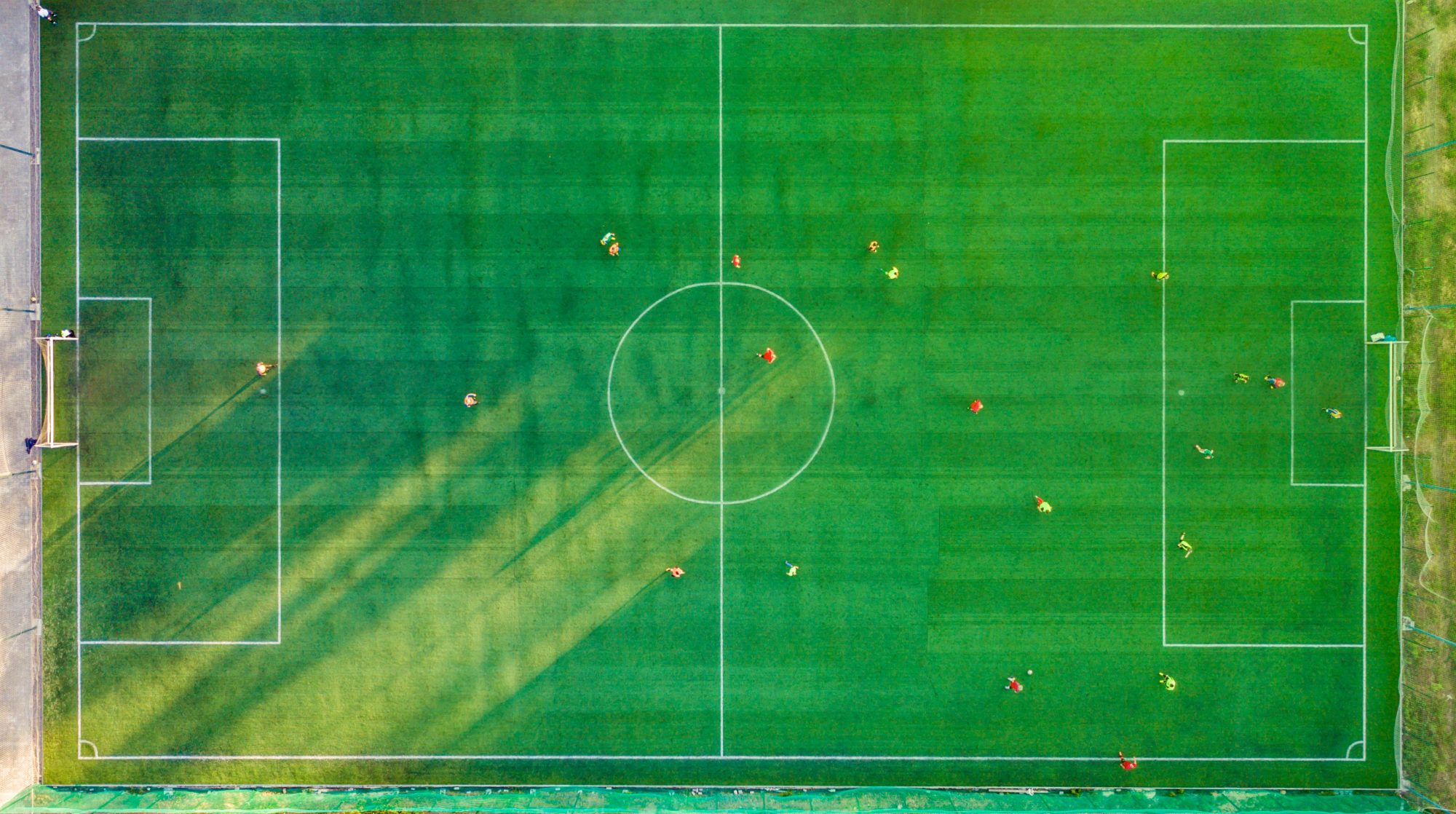
The next evolution of my ‘Role Continuity Evaluation System’ one year later

At the beginning of 2022, I established twenty-two player roles that footballers often adopt on the pitch. One of the objectives of the RCES and the presentation of 'IQ scores' pertaining to a player's specific role was to present an alternative to the statistics sites that use data as their sole metric for evaluating players. But in creating a less subjective and more sustainable approach to the evaluation model, data must continue to be the centrepiece. As I always preach, we can then use that data to follow-up with an eye test before dissecting deeper or recommending a player to a club. So with that, 'Role Continuity' evolved.

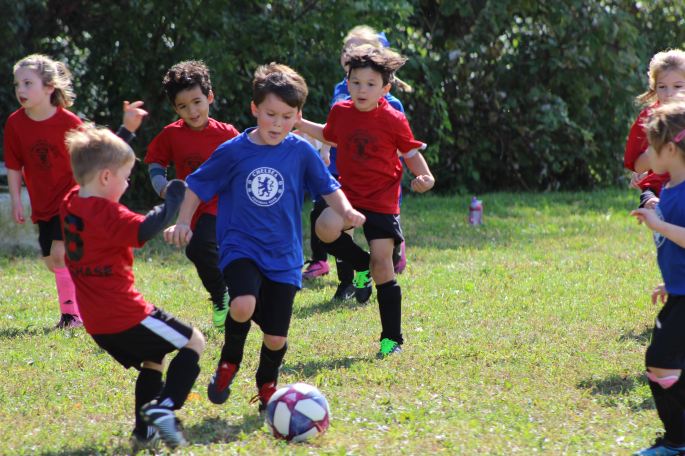
Teaching tactics and teamwork to young children in sports

In the coaching community, there's often a discourse around how the technical elements of the game must be prioritized in the early stages of development, typically between the ages of 4-10. But that does not mean that tactics become a mute point. Simply helping to elucidate positioning and roles, and how to perceive space can all be considered "tactical" elements of the game. These can be taught without players needing to have technical foundations in place. Game awareness and game intelligence from understanding basic information around their role, position, and how to react to the space around them, will help a player to perform well on the pitch. This can be taught in combination to the development of techniques and skills. It does not have to be an 'either/or', nor does it have to be a matter of one coming before the other.

Moulding Players into Specific Positions: A Case for Developing Confidence

At any level, there can sometimes be a mismatch that occurs between a player's preference for a position and their playing style. Don't get me wrong, as a youth coach, you should always play your players in the positions they want to play. Rotation is an equally important consideration. But sometimes there's a mismatch that … Continue reading Moulding Players into Specific Positions: A Case for Developing Confidence