The term 'Sweeper' has existed within the game for decades. The traditional usage encourages the contrasting relationship between one centre-back who steps out (the 'Stopper'), and one that sweeps in behind. The modern game has evolved in such a way where centre-backs typically perform both roles simultaneously, and it's rare to find clear-cut examples of 'Sweeper-Stopper' partnerships. In fact, I'd go as far to suggest that they typically exist more in back-threes in the modern game, with one clear-cut 'Stopper' angling higher than an obvious 'Sweeper' cleaning up the messes in behind. This Player Role Analysis is all about the modern day 'Sweepers', as we break down the tasks, functions and over-arching role of a 'Sweeper' in 2022.
Tag: Player Ratings
Explaining the Stopper – Player Role Analysis
Over the past few decades, centre-backs have only grown in importance to attacking phases and playing out from the back, becoming some of the preeminent quarterbacks for their clubs. But the 'Stopper' is still alive and well, providing an 'old-school', throwback approach to defending that relishes the physical side of the game. Every team must find the balance in their defensive unit, and sometimes that may mean deploying a rock-solid, proactive defender that can win possession higher up the pitch. It's not the prettiest of roles, but when played correctly, 'Stoppers' can be absolutely imperative to a team's success.
Explaining the Ball-Playing-Centre-Half – Player Role Analysis
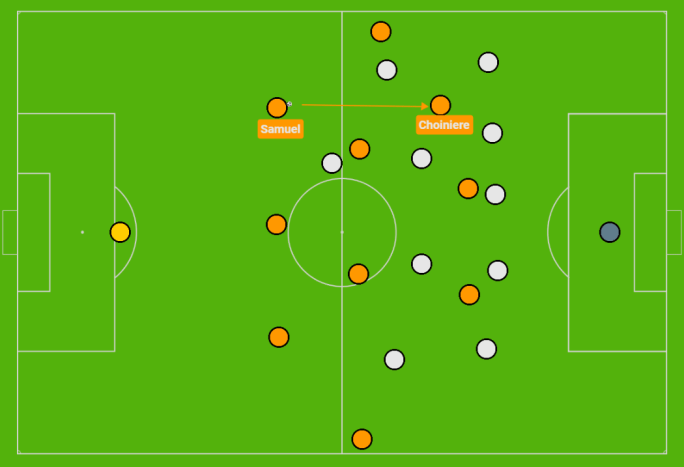
As the name suggests, a 'Ball-Playing-Centre-Half' is a centre-back that excels in possession of the ball, from passing to long passing to carrying to dribbling. They can simultaneously exist as 'Sweepers' or 'Stoppers', providing another interesting asterisk to the role not found in many other positions. Unlike say a fullback or goalkeeper where we have created clearly defined separations and almost polarizations on a style scale, 'Ball-Playing-Centre-Halves' can also be 'Stoppers' or 'Sweepers'.
Explaining the Wing-Back – Player Role Analysis
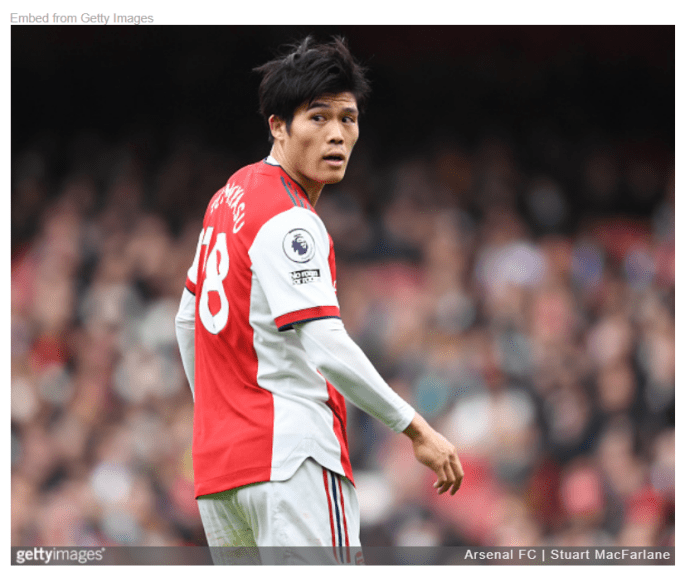
A wing-back, as the name suggests, is a full-back that operates up and down the wing, holding particular importance in attacking phases. They may contribute to the defensive side of the game, and they may even invert into central areas. But wing-backs do their best work down the by-line, where they can deliver crosses into the box, utilize their trickery and skill to go 1v1, and surge up the field through their dynamic pace and timing of movement into dangerous areas. Here is our latest Player Role Analysis.
Explaining the Inverted Fullback – Player Role Analysis
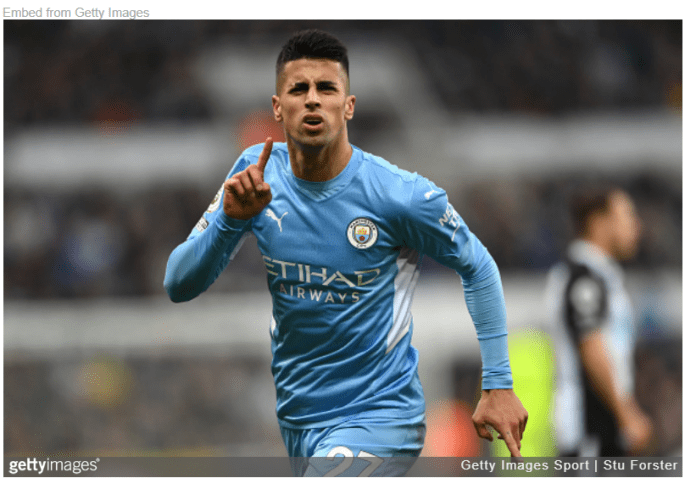
Fullbacks are not always the flashiest of players, nor do they garner the greatest attention, even despite their importance to creating and generating chances in the modern game. That is precisely why a system like our Role Continuity Evaluation System works on so many levels, as we are able to adequately assess the important characteristics to a player's performance, while minimizing the scrutinization over less important facets of the player's game. Within the system, we break down full-backs into three broad categories: 'Wide Warriors', 'Wing-Backs', and the topic of today's article - the 'Inverted Fullback'. So with that, we explain the tasks, functions and role of an 'Inverted Fullback' and outline some of the very best in the position in 2022.
Explaining the Defensive Fullback – Player Role Analysis
A 'Wide Warrior' is a full-back who hasn't quite kept up with the modern trends associated with their position. Rather than relying on attacking threat and potency to make their name, the 'Wide Warrior' continues to be an ever-present at the back, doing their best work closer to goal. They excel at the defensive side of the game above all else, even if they may offer certain advantages going forward (like a wing-back), or in half-spaces (like an inverted fullback). Further, not only do they excel at the defensive side of the game, their manager has made clear intentions for that to be the most important facet of their role within the team, restricting their attacking height.
Explaining the Sweeper Keeper – Player Role Analysis
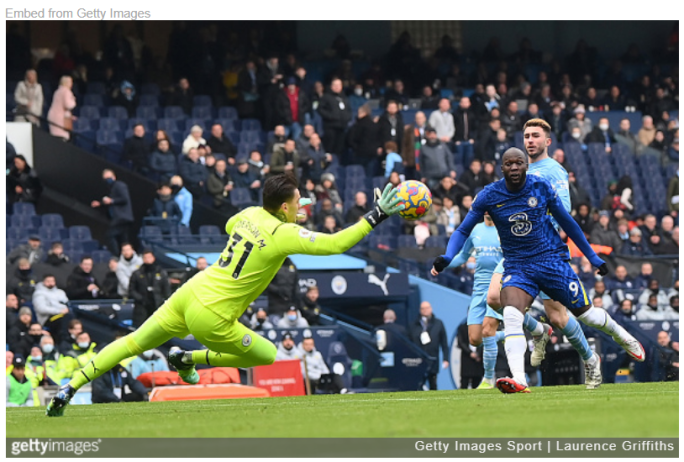
The 'Sweeper Keeper' came to deserved acclaim at the 2014 World Cup, when Manuel Neuer showcased his ability to rush out of his goal, and "sweep" in behind Germany's high-line, almost playing like another centre-back out of possession. Since then, the role of the sweeper keeper has only grown and evolved, becoming a player who is capable in build-up phases, ventures out of their goal to involve themselves in passing sequences higher up the pitch, and completely commands their penalty area by coming off their line and taking control of any situation.