Not all 'Shuttlers' get the credit they deserve, even despite being absolute engines and motorcyclists for their teams. They respond brilliantly at all ends of the pitch through that tireless energy and appetite for the game, whilst prioritizing a defensive approach to life in football. N'Golo Kante serves as a perfect reminder of what 'Shuttlers' should strive to be - a player who wonderfully goes box-to-box with ease and admiration, without mitigating their resolute defensive responsibilities.
Tag: IQ
Explaining the Sweeper – Player Role Analysis
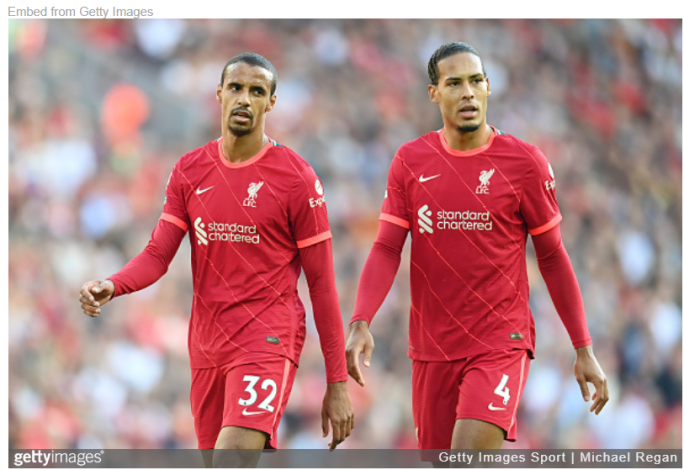
The term 'Sweeper' has existed within the game for decades. The traditional usage encourages the contrasting relationship between one centre-back who steps out (the 'Stopper'), and one that sweeps in behind. The modern game has evolved in such a way where centre-backs typically perform both roles simultaneously, and it's rare to find clear-cut examples of 'Sweeper-Stopper' partnerships. In fact, I'd go as far to suggest that they typically exist more in back-threes in the modern game, with one clear-cut 'Stopper' angling higher than an obvious 'Sweeper' cleaning up the messes in behind. This Player Role Analysis is all about the modern day 'Sweepers', as we break down the tasks, functions and over-arching role of a 'Sweeper' in 2022.
Explaining the Stopper – Player Role Analysis
Over the past few decades, centre-backs have only grown in importance to attacking phases and playing out from the back, becoming some of the preeminent quarterbacks for their clubs. But the 'Stopper' is still alive and well, providing an 'old-school', throwback approach to defending that relishes the physical side of the game. Every team must find the balance in their defensive unit, and sometimes that may mean deploying a rock-solid, proactive defender that can win possession higher up the pitch. It's not the prettiest of roles, but when played correctly, 'Stoppers' can be absolutely imperative to a team's success.
Explaining the Ball-Playing-Centre-Half – Player Role Analysis
As the name suggests, a 'Ball-Playing-Centre-Half' is a centre-back that excels in possession of the ball, from passing to long passing to carrying to dribbling. They can simultaneously exist as 'Sweepers' or 'Stoppers', providing another interesting asterisk to the role not found in many other positions. Unlike say a fullback or goalkeeper where we have created clearly defined separations and almost polarizations on a style scale, 'Ball-Playing-Centre-Halves' can also be 'Stoppers' or 'Sweepers'.
Explaining the Wing-Back – Player Role Analysis
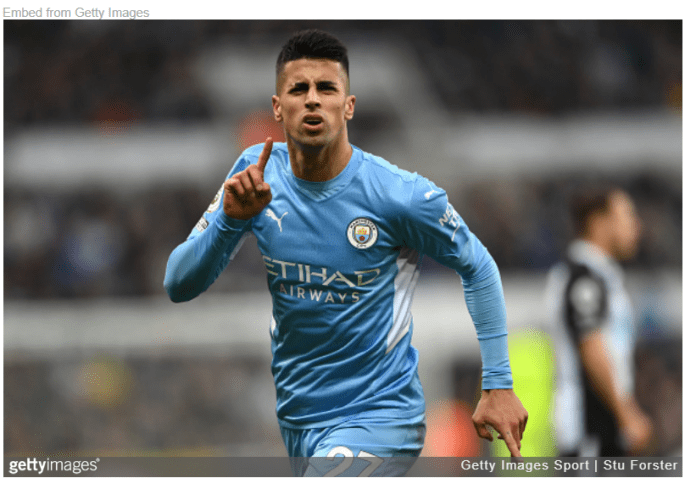
A wing-back, as the name suggests, is a full-back that operates up and down the wing, holding particular importance in attacking phases. They may contribute to the defensive side of the game, and they may even invert into central areas. But wing-backs do their best work down the by-line, where they can deliver crosses into the box, utilize their trickery and skill to go 1v1, and surge up the field through their dynamic pace and timing of movement into dangerous areas. Here is our latest Player Role Analysis.
Explaining the Inverted Fullback – Player Role Analysis
Fullbacks are not always the flashiest of players, nor do they garner the greatest attention, even despite their importance to creating and generating chances in the modern game. That is precisely why a system like our Role Continuity Evaluation System works on so many levels, as we are able to adequately assess the important characteristics to a player's performance, while minimizing the scrutinization over less important facets of the player's game. Within the system, we break down full-backs into three broad categories: 'Wide Warriors', 'Wing-Backs', and the topic of today's article - the 'Inverted Fullback'. So with that, we explain the tasks, functions and role of an 'Inverted Fullback' and outline some of the very best in the position in 2022.
Football is more about psychology than tactics
This is not a headline that you would expect to see from a website so devotedly focused on tactics and analysis. But as complex and debatable as this may sound, football is more about psychology than tactics. The best coaches are not always the best tacticians. But the best coaches are always the best motivators. The likes of John Herdman, Emma Hayes, Jose Mourinho and even Jurgen Klopp, rarely ever speak about tactics when expatiating about the game. Instead, they pontificate about the psychology of their teams and players, and their attempts to get the best out of their mentality.