

Communication is one of the most important skills for young players to develop. It can sometimes be difficult for players to see past their own role on the pitch, but effective communication can propel the entire team forward and lead to a better team spirit.
Most young players understand that they should ask for the ball when they find themselves open, but don’t have a greater understanding about how they can effectively communicate to their teammates. With that, here are some of the key words and phrases for players to remember in their quest to better their communication.
COMMUNICATION IN DEFENSE
Embed from Getty ImagesWithout proper communication in the defensive side of the game, the entire team can become disorganized. This means that players must constantly be scanning their surroundings whenever they find themselves without the ball, and should prepare to relay the information they see to their teammates. This is particularly important in the last line of defense, where the level of organization at the back can be the difference between keeping a player offside, and a goal being scored with ease.
As a result, it can often be beneficial for defenders to work as a unit in moving up and down together, working to tighten the spaces all around the field. Some of the best short but sweet phrases to use include:
“UP!” / “MOVE UP” + “DROP!” / “MOVE BACK”
Embed from Getty ImagesThese commands must be spoken once all defenders in the line are ready to move up or down with the play, and they must be coordinated together.
But defensive commands can also extend to the front end of the pitch, where putting pressure on the ball can often become crucial to winning back possession. If there is no pressure on the ball, a player may take it upon themselves to relay the message, and to tell the specific player closest to the situation that they should push the gas pedal.
“PRESSURE!”
Embed from Getty ImagesWith clear messaging at the right moments to the right players, this kind of communication helps the entire team remain switched on and ready for what’s to come. Older players could even take this one step further and communicate about which way to force the opposition player with their pressure. This might be outside, toward the touchline where they are likely to run out of bounds, or inside, toward perhaps where another player is waiting to double up.
“SHOW INSIDE / OUTSIDE!”
It’s also important to be in constant communication about the movement of opposition players off the ball. A high-level striker will often bounce between defenders at different moments, never letting one mark them out of the game.
“WATCH # __”.
This becomes imperative on set-pieces like corner kicks and throw-ins, ensuring that all opposition players are being properly attended to, even if not strictly marked in a man-to-man style.
COMMUNICATION IN ATTACK
Embed from Getty ImagesWhen on the hunt for goals in the attacking side of the game, communication remains critical to the team’s success. It can mean the difference between keeping possession and creating high quality chances, to needlessly giving the ball away to the other team.
As mentioned, we all know the importance of communicating for the ball when in an open position. Even after the communication, players must continue to scan the field to ensure their position has not been compromised. It’s also important to keep this message clear and to the point.
“HERE!” + “PLAYER’S NAME”
In relaying more of a secret message, player’ can also communicate via non-verbal cues such as pointing or hand gestures toward where they want the ball. France all-time top scorer Olivier Giroud is excellent at this art, often pointing exactly where he wants the ball before receiving the cross.
“TIME / SPACE!” + “BACK!”
Embed from Getty ImagesSince situations in football can change so fast, it’s important to continue that scanning of the field when receiving the ball, and even after giving the ball to someone else. This can show how much time and space their teammates have to bring the ball forward and make a decision. If they have no time at all, a simple “BACK” can be used to ensure a swift return. But if they have time, receiving that verbal cue from a teammate can allow the player to make better decisions and assess their options before leaping into action.
“SHOW!” / “COME TO.”
Similarly, when a player in possession lacks options, it can be beneficial for someone to relay that message to the right player. Players must remain switched on at all times, but the reality is – we all lose our focus from time to time. Again, that quick communication can allow everyone on the field to switch back on and stay focused on the task at hand.
CONCLUDING THOUGHTS
Embed from Getty ImagesThis is just a quick-start guide to some of the most useful words and phrases to use when communicating in soccer. Players are encouraged to come up with their own key words and phrases that they enjoy using both on an individual level and as part of the team, and ensure that the communication stays clear, to the point, and based on what they have seen through careful scanning of the pitch. Players should also be encouraged to keep their communication positive, ensuring their teammates all feel a part of the bigger picture at hand.
For more Player Education pieces, make sure to check out TheMastermindSite.com – Player Education.

Sebastian Berhalter has become the Whitecaps’ most important player
With his all-around quality, it’s abundantly clear. Sebastian Berhalter is the Whitecaps’ most important player right now. His performance against Portland was one of the finest individual performances of any player so far this season, and continues to help cement the ‘Caps as one of the most cutthroat teams in the league.


Sports Analysis for Journalism & Content Creation – Ebook
I’m sure you’re already familiar with the world of sports media and journalism. You’ve probably grown up watching sports channels, seen Instagram reels, and witnessed the new wave of media begin to replace a lot of the traditional outlets. With that, I want you to think of a typical person that you’ve seen in sports…

Benjamin Šeško is United’s best striker in years
With four goals in his last five matches, Šeško earned himself the Premier League’s Player of the Month award for February. This, in just 85 minutes of making an impact off the bench. If he can continue to grow from here, the 22-year-old will almost certainly stake his claim as United’s best striker in years.
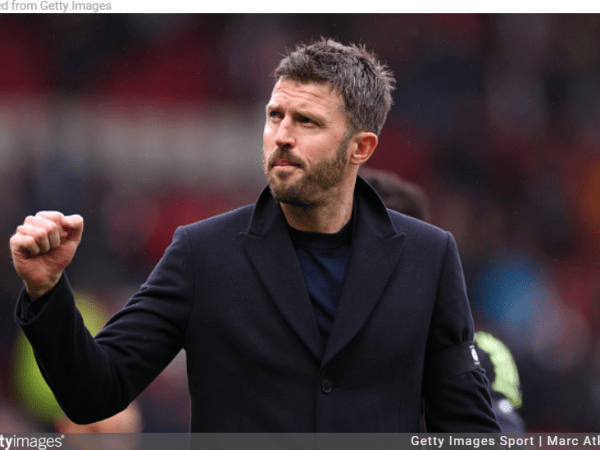
Michael Carrick has given Manchester United their joy back
At the time of Ruben Amorim’s shock sacking, Manchester United sat sixth in the table. There were signs of hope and progress, but also much in the way of disappointment and misalignment. Since Carrick entered the frame at Old Trafford, the Red Devils have won four in a row, closing the gap on City in…
Discover more from TheMastermindSite
Subscribe to get the latest posts sent to your email.
 TheMastermindSite