
Why Understanding Football Roles Changes the Way You Watch the Game
Football Is More Than Just Attack and Defense
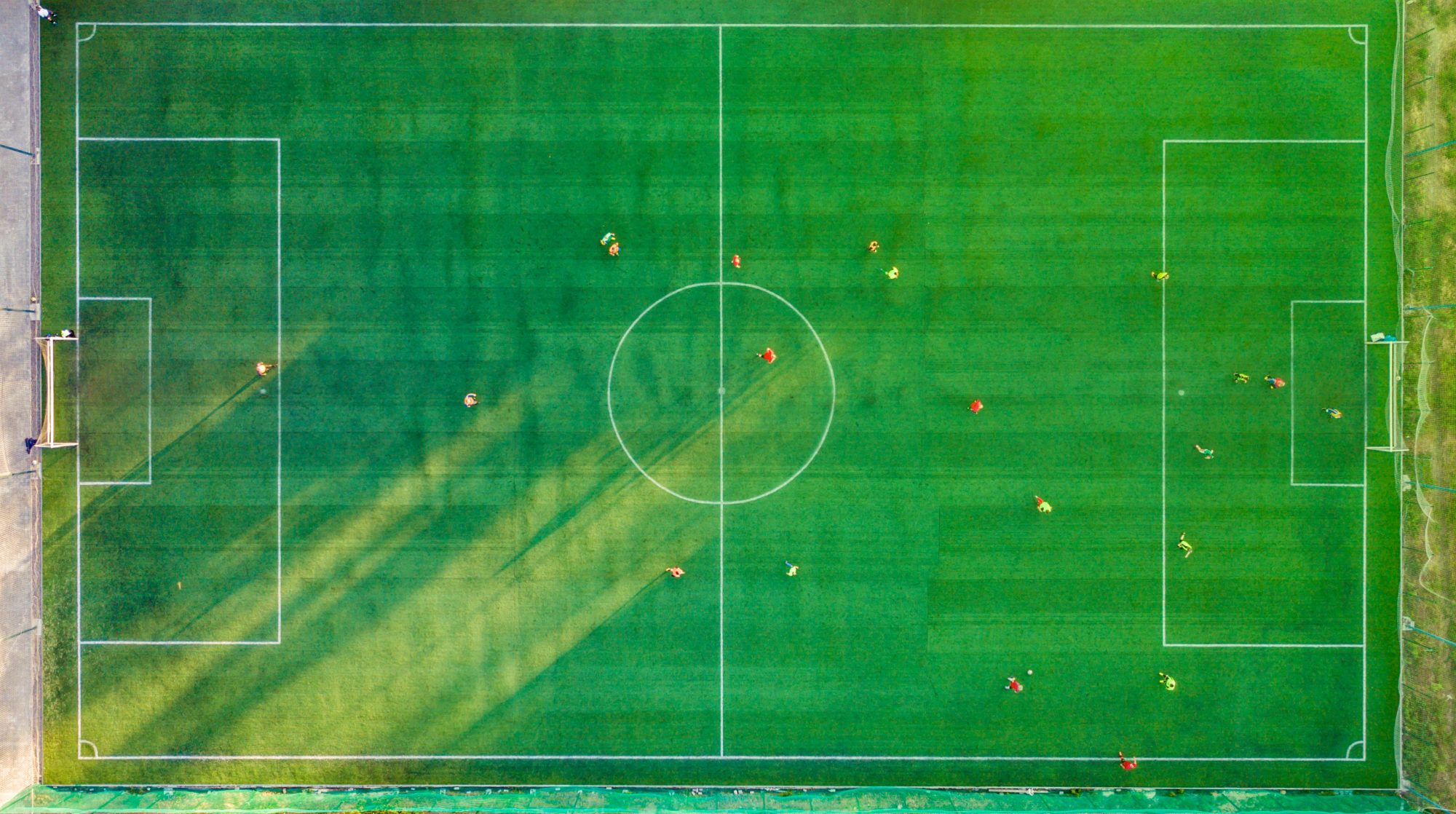
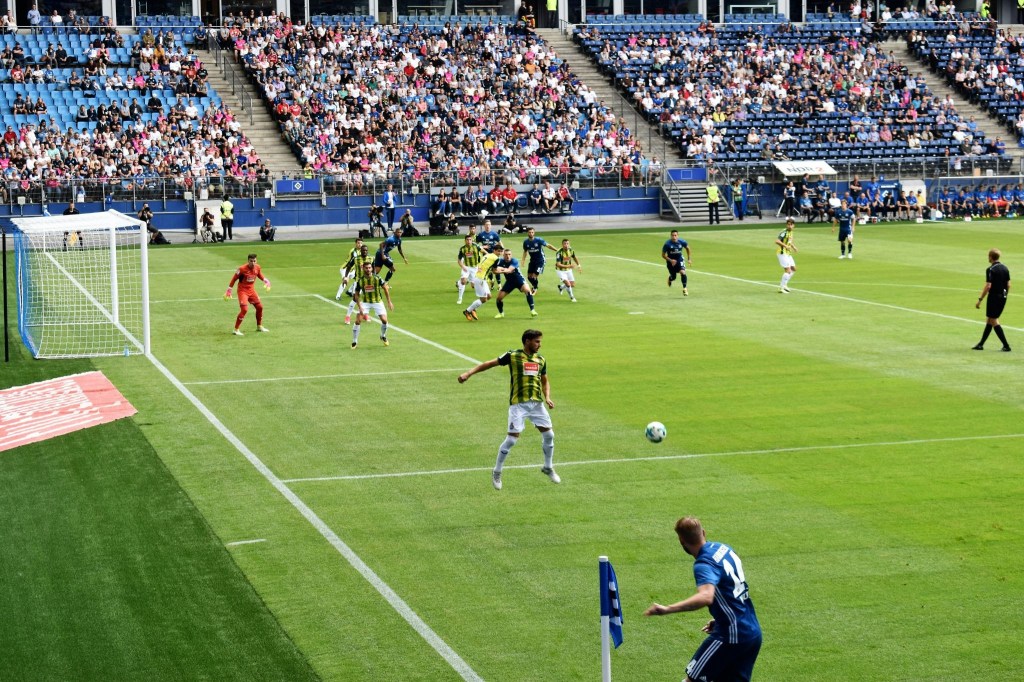
Many casual fans think football has only two simple tasks: stop goals and score goals. That idea misses how the modern game actually works. Today, teams rely on specialist roles across the pitch. Some players progress the ball under pressure. Others trigger the press, recover shape after transitions, create width, or protect positional balance.
These roles in football shape every match. A full-back may move into midfield. A striker may defend before attacking. A goalkeeper may even start more attacks than positions higher up the pitch.
Understanding what roles exist in football helps supporters understand the complexities of the game. Instead of just watching the goals, they begin to notice spacing, timing, and tactical choices. Pep Guardiola often explains that controlling space matters more than controlling the ball.
This guide explains all roles in football from goalkeeper to striker using real examples, coaching logic, and practical references that will make football easier to understand.
What This Guide Covers Before We Break Down Each Position
This guide covers positions and modern tactical roles. That includes inverted full-backs, defensive midfielders, false nines, box-to-box midfielders, and deep-lying playmakers. It is not simply about shirt numbers.
The real question is responsibility. What does a player do with the ball? What changes without it? Those answers define the different roles in football far better than formation graphics on television.
The article moves step by step from goalkeeper to defenders, then midfielders and forwards. Before the deeper breakdown, this quick table gives a useful overview.
Quick Overview — Core Football Roles at a Glance
This table gives readers a fast summary of the most important roles before the detailed explanations begin.
Goalkeepers and Defenders — The Foundation of Every Team
Modern Goalkeepers Are the First Playmakers
Goalkeepers are no longer just shot-stoppers. In elite football, they begin attacks and help teams escape pressure.
Alisson and Ederson show this shift clearly. Both play long diagonal passes, stay high outside the box, and break opposition pressing lines. This is the modern sweeper-keeper model. Our own practical analysis of the sweeper-keeper role explains how this role has evolved over the last few years in top-level football.
Traditional goalkeepers stayed closer to their line. But now possession systems demand calm passing, scanning, and decision-making under pressure. A keeper with poor distribution may struggle in top possession teams, even with strong reflexes.
Passing quality now affects team selection almost as much as shot stopping. Modern football changed the role completely.
Some centre-backs also play as aggressive stoppers, stepping forward to break attacks early instead of waiting deep. This tactical detail is explained in our stopper player role analysis.
Football Culture, Match Analysis, and Digital Fan Habits
Fans Study Tactics Far Beyond Matchday
Modern football fans do far more than watch ninety minutes. They follow tactical breakdowns, player heat maps, lineup predictions, pressing charts, and mobile-first football communities. During major matches, supporters compare live statistics, passing networks, and tactical analysis while discussing player roles and team decisions.
At the same time, many supporters prefer simple digital services that are quick to access during match nights. Some readers searching for casino slovenia information, especially those looking for the best online casino for Slovenia, often check casinoslovenija10.com alongside football discussions because mobile access and clear navigation matter more than complicated registration processes.
This preference for speed and simplicity applies to football content as well. FIFA’s technical study of France’s attacking variety shows how midfield movement and positional rotations create stronger attacking patterns, helping readers understand player responsibilities beyond the final score.
That tactical understanding keeps supporters involved long after the final whistle, because the second viewing often explains more than the first.
Midfield Roles — The Brain of the Team
Defensive Midfielder, Box-to-Box, and Playmaker Explained
Midfield controls the rhythm of football. This area decides pressing, transitions, and recovery. Most tactical battles are won here.
A defensive midfielder protects the back line and controls structure. Rodri is the best modern example. He blocks passing lanes, recycles possession, and keeps balance. A box-to-box midfielder covers large distances and connects every phase of play. Federico Valverde fits that role perfectly. An advanced playmaker like Kevin De Bruyne focuses on chance creation and final-third decision-making.
FIFA’s Technical Study Group explained in its analysis of France’s attacking rotations that midfield movement often creates attacking variety by pulling defenders out of shape and opening central spaces. This shows why positioning matters more than constant dribbling.
In a 4-3-3, one holding midfielder often supports two advanced players. In a 4-2-3-1, two deeper midfielders share protection and progression duties. Wide attackers also affect this balance, especially in the inverted winger role, where wide players attack central spaces instead of staying wide.
Attackers and Why Not Every Forward Is the Same
Wingers, False Nines, and Classic Strikers
Many readers think every forward has one job: score goals. In reality, attacking roles are highly specialised.
A traditional No.9 stays close to goal and finishes chances inside the penalty area. Erling Haaland is the clearest modern example. A false nine drops deeper, pulls centre-backs forward, and creates space for runners. Roberto Firmino did this brilliantly under Klopp.
Harry Kane often combines both roles by scoring and linking play. Messi often played as a false nine, especially during Barcelona’s positional system.
Wide attackers differ too. A winger stays wide and attacks one-versus-one situations. An inside forward starts wide but attacks the half-space, like Mohamed Salah. Modern forwards also defend first. Klopp’s pressing model made this standard. Today, the striker often starts the defensive press before midfield reacts.
Statistics and Real Tactical Context
Statistics help explain what are all the roles in football far better than simple labels.
Premier League teams often average more than 500 passes per match in possession-heavy systems. This shows that football success depends on structure and build-up, not only finishing chances.
Midfielders usually cover between 10 and 13 kilometres per match depending on tactical shape. Box-to-box roles demand constant movement between both penalty areas, which explains why physical output matters so much.
Goalkeepers like Ederson and Alisson regularly complete more passes than some attacking midfielders because possession starts with them. Their role is tactical, not only defensive.
These numbers show that all roles in football depend on discipline and connection. Football is not a collection of isolated stars. It is a linked structure where every position affects another.
That is why elite coaches focus on spacing, timing, and positional discipline. The strongest teams are usually not the most dramatic. They are the most organised.
Discover more from TheMastermindSite
Subscribe to get the latest posts sent to your email.

