

While it might seem like a pick out of left field, Jesse Marsch just might be the perfect person to carry on from the legacy left behind by John Herdman.
The American coach and former pro made his name across an incredibly successful spell at RB Salzburg between 2019-2021, but hasn’t been able to hold down the fort since. His brief stints at RB Leipzig and Leeds United showed signs of promise, but also many moments of doubt. So with Marsch being out of a top-tier job for over a year, it comes as a surprise that he would suddenly take over the Canadian Men’s National Team. However, Marsch’s management style and tactical preferences perfectly fit the current need within the Canadian set-up.
MANAGERIAL STYLE
Embed from Getty ImagesJesse Marsch is known for being a motivator. This is something widely regarded as one of John Herdman‘s best strengths. He came into the Canadian set-up and shifted the way they thought about themselves, each other, and soccer in the country. He had them band together like “brothers” and had them believing that they could win against any opposition. When it came to CONCACAF, as it turns out, they could.
Jesse Marsch has always taken on a similar approach with his teams. You can feel his passion for the game with every fleeting moment. Every goal. He celebrates with his players as though he’s the one that scored.
Embed from Getty ImagesHistorically, he’s been great at getting his players to buy into his ideas. Like Herdman, he’s been great at generating a sense of togetherness.
Take his time with the New York Red Bulls as a great example, when he created ‘Sal’s Theorem’. Sal’s Theorem was born out of something one of his players – Sal Zizzo – said one time about the importance of pressing from the front together.
Embed from Getty ImagesEssentially, that if even one player was off with their timing in joining the press, the entire construction could collapse. Over enough time, that could be the difference between winning 3-0 and losing 3-0.
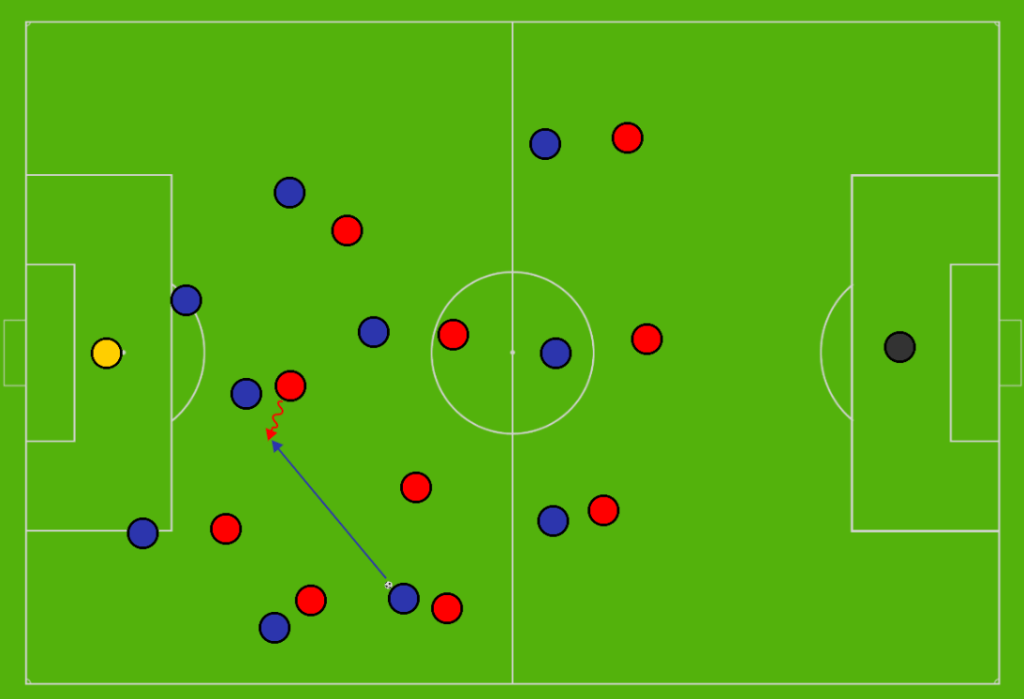
With Marsch and his teams, they establish a sense of shared identity around these ideals. They quickly establish a common purpose and succinct playing style that all players can buy into; and they consistently reinforce those ideals within training and squad selection. Now luckily for Marsch, his typical tactical profile will suit the current Canadian set-up swimmingly.
TACTICAL PRINCIPLES
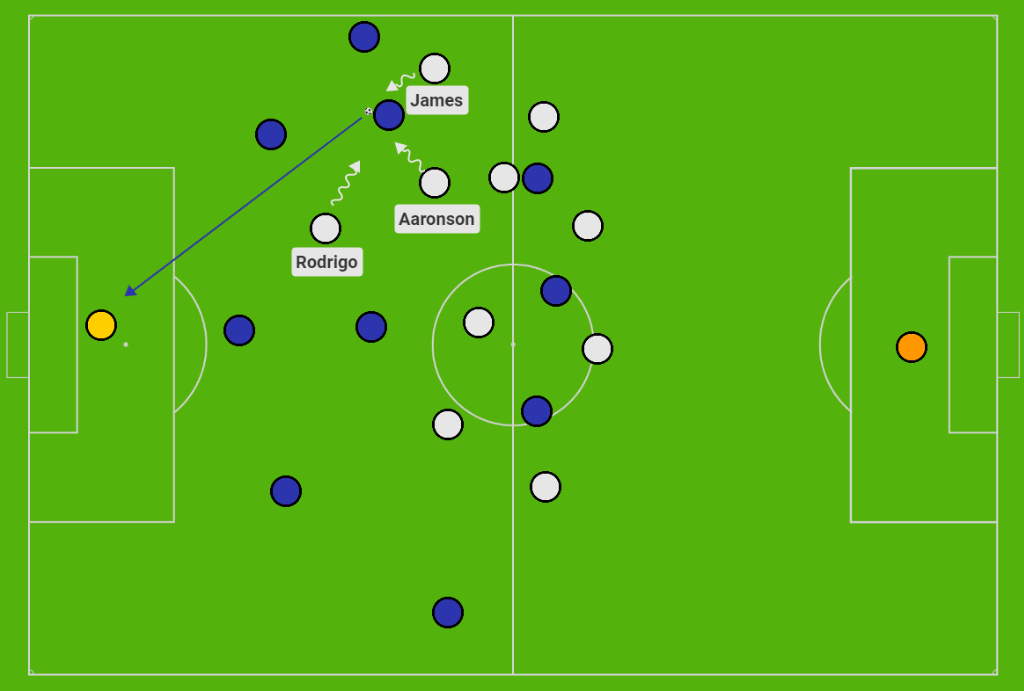
Marsch made a name for himself around the art of pressing from the front. He existed in that late 2010s to early 2020s era when pressing was all the rage, and he used those defensive tactics to build entire cultures of how his teams were to conduct themselves on the pitch.
That is, with intensity and togetherness. As Sal’s Theorem outlines, it’s one thing to have the intensity. It’s one thing to have one or two players intensely engaging in the press. It’s another to have everyone go together. If that happens, winning the ball back becomes inevitable.
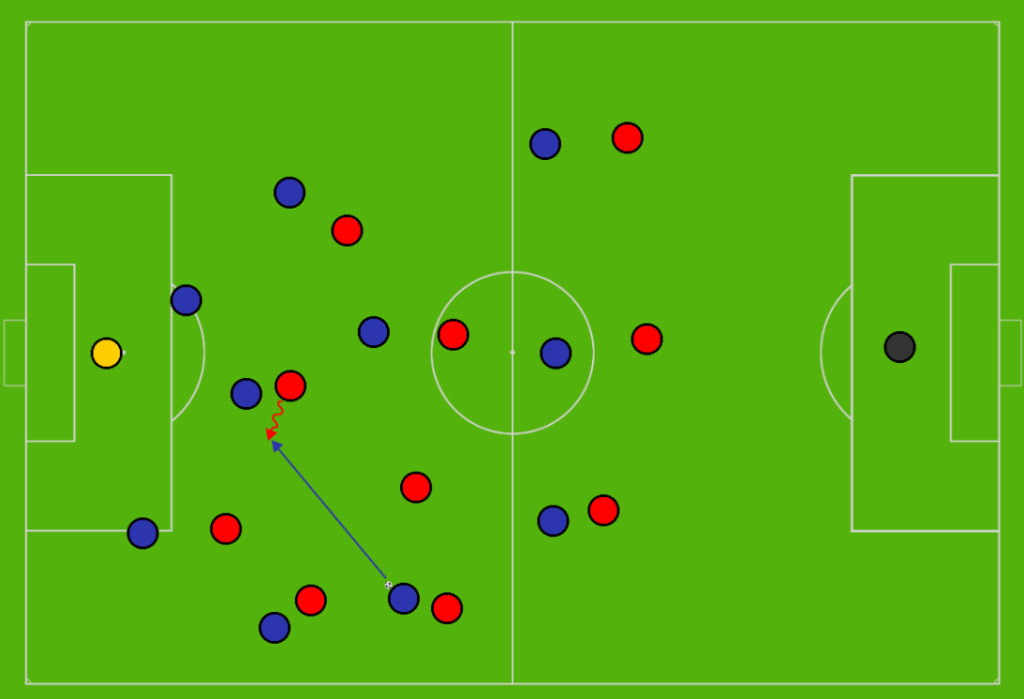
When you’re Jesse Marsch, you don’t just want to win back the ball. You want to win the ball back as close to the opposition’s goal as possible. Why? For the purpose of scoring goals. For a manager like Marsch, pressing is not only about stopping the opposition from gaining control of matches and scoring goals. It’s about using those defensive constructions to score goals themselves. They want to win back the ball and within the immediacy of the attacking transition that follows, they want to score.
It might only happen once or twice a season that a goal is directly scored from that defensive intensity, but the constant fear of that happening is enough to completely put the opposition off their game.
Embed from Getty ImagesIt’s scary. Opposition teams will cure that fear by staying calm. Far too calm. Continuing to just adopt their normal principles of playing out from the back. When all they should do is get rid of the ball. This will always play into Marsch’s hands.

Leeds United 3-0 Chelsea – Match Analysis
You can already see why Marsch’s tactical ideals sound enticing. From a player’s perspective, it just sounds fun. If I’m intense and together with my friends, we can win back the ball and score goals. That’s easy for all players to buy into, and to follow.
Especially when you have a Canadian set-up that already centers much of their philosophies around notions of intensity. Around notions of defensive resilience. As soon as Canada wins back possession, they too look for the most direct route to goal. They too are looking to go on the hunt to score – utilizing speed, verticality, dynamism, all of the things Jesse Marsch would need to build a team around high-intensity pressing principles.
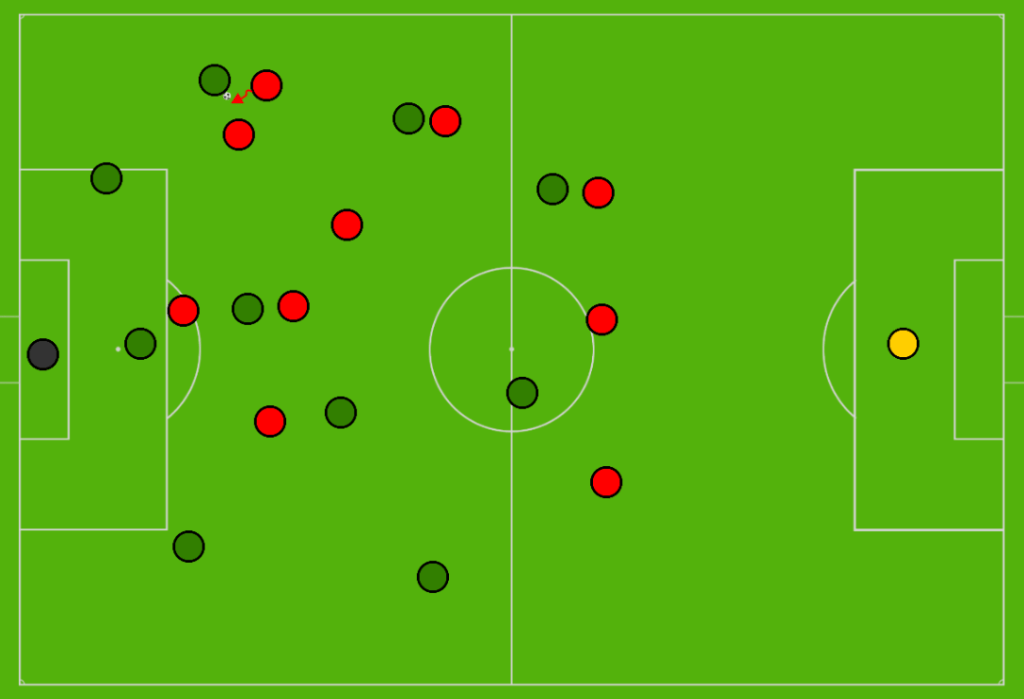
Every single player fits that warrior mentality. Tajon Buchanan, Alphonso Davies, Jonathan David, Jonathan Osorio, Ismaël Koné, everyone! Canada has become a team that’s prided themselves on physicality. That’s actively emphasized it with squad selection and playing style over the past few years. Jesse Marsch will have fun with this team, and I bet the players will have fun too and continue to have those ‘feel-good’ feelings they had with Herdman. That’s so important to creating that sense of togetherness, and ensuring that all the players can buy into the process of what they’re working toward under his leadership.
Embed from Getty ImagesWhen you look into some of the previous systems that Marsch has prioritized in the past, you get iterations of a 4-4-2 like 4-2-2-2, variations of a 3-4-1-2, and a 4-2-3-1. The shape is more important to Marsch than just about finding a way to get the best out of the players at his disposal. It’s also about having the right constructions in both defense and attack. Something like a 3-4-1-2 can naturally create nice diamonds in the press, but then also naturally funnel play through the thirds in possession.

Marsch wouldn’t have to change much about the way he’s approached previous jobs and previous ways of playing, especially if he stands by Canada’s recent adoptions of the 4-4-2 and 3-4-1-2. Again, this makes him a great candidate. He can build off the work set into motion from Herdman, without making radical changes.
It might come as a surprise, but Jesse Marsch just might be the perfect man to come into the fold with Canada. With his motivational managerial style and tactical profile that centers around intensity, the American seems like a perfect match for Canada.
Thanks for reading and see you soon!
YOU MIGHT ALSO ENJOY…

Michael Carrick has given Manchester United their joy back
At the time of Ruben Amorim’s shock sacking, Manchester United sat sixth in the table. There were signs of hope and progress, but also much in the way of disappointment and misalignment. Since Carrick entered the frame at Old Trafford, the Red Devils have won four in a row, closing the gap on City in…


Who should replace Casemiro at Manchester United?
There are exits that feel like endings, and endings that feel like reckonings. Casemiro’s Instagram announcement this week — confirming he’ll leave Manchester United at the end of the season — is both.
It’s the departure of their most experienced leader, and at the same time, a clear willingness from United to move on…

Manchester City’s dominance is being challenged — and this time it feels different
Manchester City have won eight of the past twelve Premier League titles. They’ve been the dominating force in the league, and the drivers behind many modern tactical innovations. But they are no longer an unstoppable force. With some questionable decisions in the transfer market, this golden era at City has essentially evaporated. They now find…
Discover more from TheMastermindSite
Subscribe to get the latest posts sent to your email.
 TheMastermindSite