

I know what you’re thinking: “formations don’t exist anymore!”
That’s what everyone says these days, isn’t it? We’ve become so smart about the way we think about football and too evolved from the ways cavemen used to play, that formations are now only for foosball and cheerleading pyramids.
But surprise surprise, here I am to suggest, and announce my candidacy for president on the “formations still exist” train. Formations still exist. Here are two reasons why right off the top:
Look to the right of your screen (sorry if you’re on a phone, this bit won’t work), and take a look at the most popular articles on the site right now…
Notice any trends? Me too! They are all about formations. Everyday thousands of coaches and fans google about various formations and find my articles (or cheerleading pyramids). If formations don’t exist anymore, why do so many people still try and find information about them?
I know it’s an inherently flawed argument given that people will also google about the Lochness Monster or Bigfoot; but it still baffles me that people care about 9v9 formations more than Pep Guardiola (and Bigfoot).
But importantly…
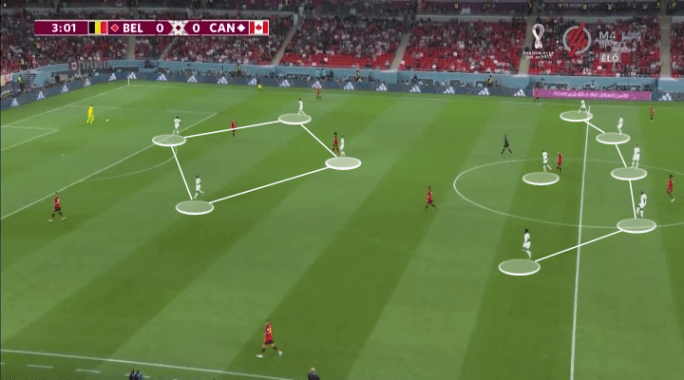
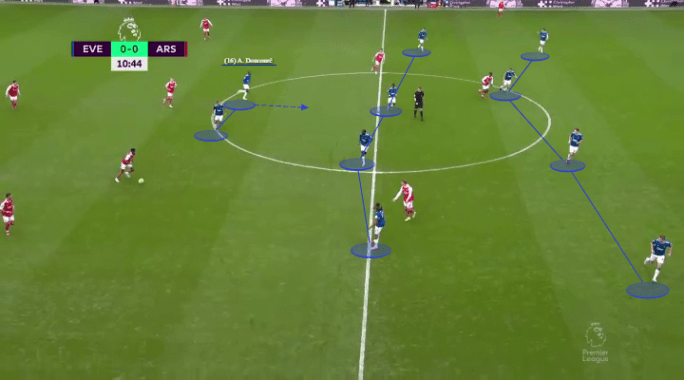
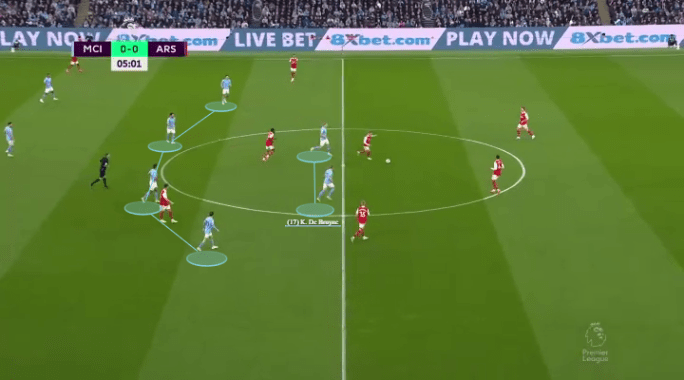
Every single team sets up at kick-off in some kind of way, resembling some kind of implications for how they are going to play. What’s changed is not that formations no longer exist. What’s changed is that formations adapt between phases.
For example, Manchester City usually attacked in a 3-2-4-1 shape during their historic 2022-23 campaign. But they defended in that traditional 4-3-3/4-1-4-1 system. When Chelsea won the Champions League under Thomas Tuchel, they were often controlling matches via a 3-2-5 attacking shape, that quickly shifted into 5-2-3 in defense.
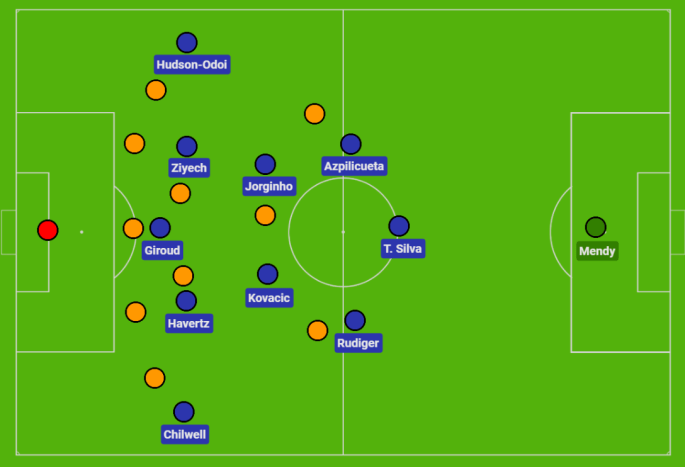
While I’m not sure if this has been contextualized anywhere (if so please tell me!), I’d hazard to guess this isn’t even new to the modern era. Even back in the 1920s I wouldn’t be surprised if you told me a player’s role changed between attacking and defensive responsibilities, changing the entire shape of the team.
I think what we are seeing now is just a matter of tactical intricacies that are making the game more fun to analyze. The adaptations are far more complex and peculiar, and every team has their own spin on how they are going to change their shape.

But it’s not a matter of formations being dead and the game only being about roles that players adopt (or who can see the spaces). You can’t have player roles without some kind of context for how they fit into the wider puzzle. Player roles inherently make a formation a formation; not spell its end for all eternity. Even more imperatively…
Not a single team in the world plays without overarching principles that stay relatively consistent in-match. If a manager had no plan for how they were going to set up (i.e. a formation), it would simply be chaos. I haven’t watched much of Fluminense. But I bet even they play in a way where players have roles that fit within the larger picture of the team. I bet those roles stay consistent over time in any specific match, even if the roles could be subject to change for the next time out.
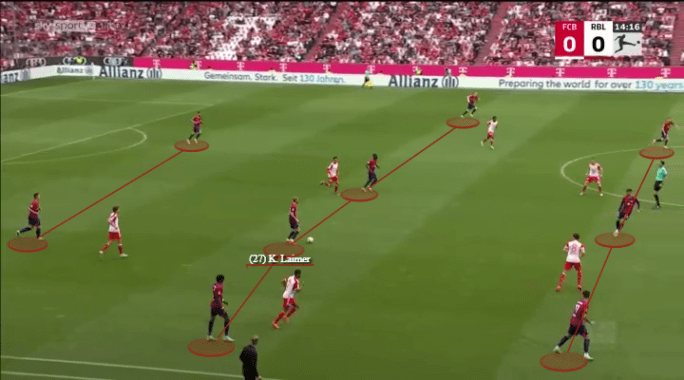
I know Luciano Spalletti said something about the game being about “spaces” this past year, and that much is true! But the way players are organized on the field will always remain key in dictating where those spaces open.
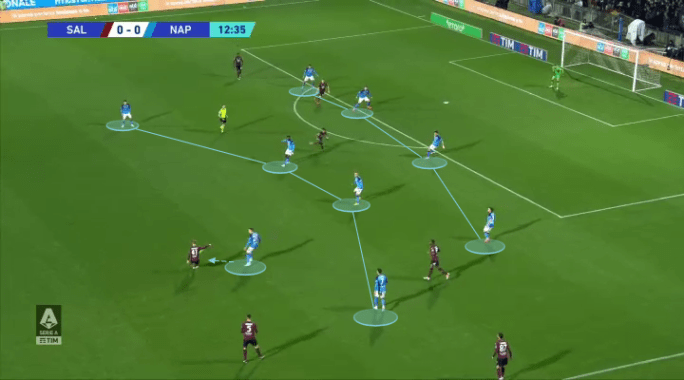
The idea behind “positional play”, is that players constantly adjust their position based on the movement of their teammates and the spaces available. But even in positional play ideologies, the principles are incredibly clear, and the adjustments are not all that drastic.
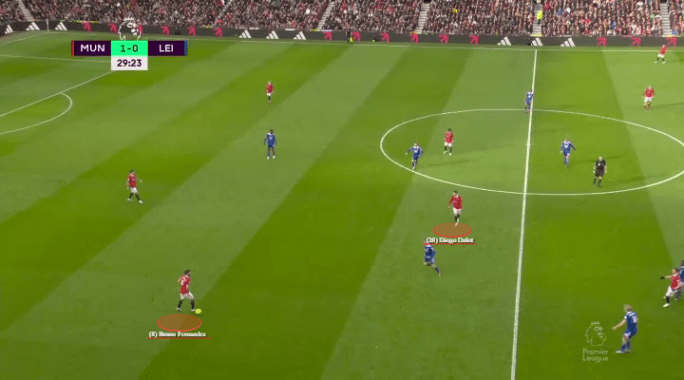
A right-back will invert when a right winger hugs the touchline, and that same right-back might then overlap down the wing as their right winger shifts inside.
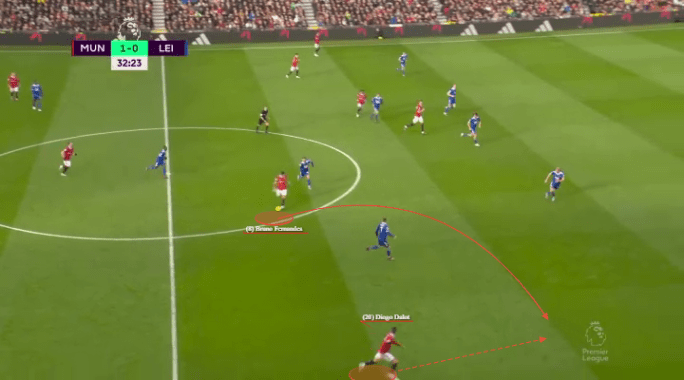
Those positions, and the adjustments that are made within them, exist within a grander scheme that is the formation. The player roles may be guided by principles more than the formation itself, but the principles cannot take form if players don’t have a rough understanding of the types of positions they can adopt in the context of everyone else around them (i.e. their team’s rough formation).
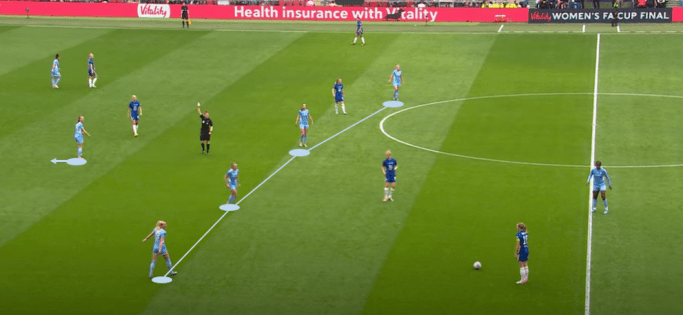
So before you kill the formation and think that it’s dead, remember that every professional team still has one (more often two-three). Even (especially) Pep Guardiola and Luciano Spalletti. Without these systems of play, it becomes significantly more difficult to organize players, design principles, and win football matches.
ALL ABOARD! 🚂
you might also enjoy…

Picking the 2025-26 Premier League Team of the Season
Every time you open social media and listen to the noise of the 2025-26 Premier League season, you will often hear cries of “worst season ever.” Even Arne Slot called the league “boring”. I beg to differ. This feels like a season that will come down to the final day, and still have plenty to…


Tottenham win the award: Most disastrous season in Premier League history
With one of the highest wage bills in the league, if Tottenham succumb to relegation, this will be one of the most disastrous seasons of any top-flight side.

Picking England’s 2026 World Cup Squad
The World Cup is just a few months away, and Thomas Tuchel already seems to have a clear idea of both his squad and how he wants England to play. His teams are built on energy, physicality, and discipline — players who stick to their roles and execute a system, rather than drift and freelance.
…
Discover more from TheMastermindSite
Subscribe to get the latest posts sent to your email.
 TheMastermindSite