

Nobody gave Sweden a chance at this summer’s Euros prior to the tournament beginning, and even now after topping their group they will likely continue to be underestimated. But the Swedes have been more than defensively solid enough to demonstrate that they could have what it takes to challenge even Europe’s elite at this tournament. Here is our tactical analysis of Sweden at Euro 2020.
system of play: 4-4-2
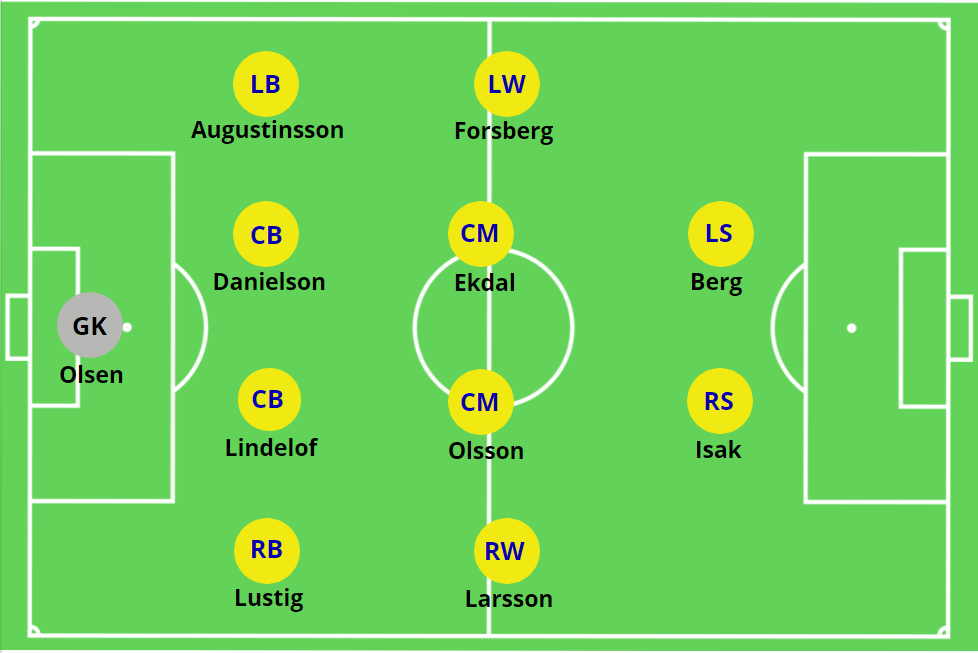
Janne Andersson has utilized a 4-4-2 in all three Euro 2020 matches so far, with inverted wingers in attack giving the shape a much more 4-2-2-2 look. Other than two goals conceded to perhaps the greatest striker in the world, Sweden have done a massive job defensively throughout the Euros and stopped both Spain and Slovakia from finding the back of the net. That defensive resilience has been led by Manchester United defender Victor Lindelof, and Chinese Super League centre-back Marcus Danielson. Robin Olsen’s also performed well in goal, as have the two fullbacks Mikael Lustig and Ludwig Augustinsson. While the midfield is not quite as illustrious it does however incorporate Sweden’s star Emil Forsberg, and veteran midfielder Sebastian Larsson, who’s made over 130 caps for the team. In central midfield, Albin Ekdal and Kristoffer Olsson have started all three games, with the more attack minded Viktor Claesson coming on in all three games to play a role on the wing. Alexander Isak has also been a regular up front, and has been partnered by Dejan Kulusevski, Marcus Berg and Robin Quaison at rotating moments. Other than Forsberg and Lindelof, Sweden lack the type of players that you would normally expect to top their group at the Euros. Despite that, Sweden have performed remarkable feats, coming out on top with a result in all three of their matches.
Their compact 4-4-2 system has been important to those results, inspiring both a solid defense and a charismatic attack. Their style of play within the system also works to suit the needs of players like Forsberg and Isak, which has been a massive help in leading their charge toward the top of Group E.
build-up
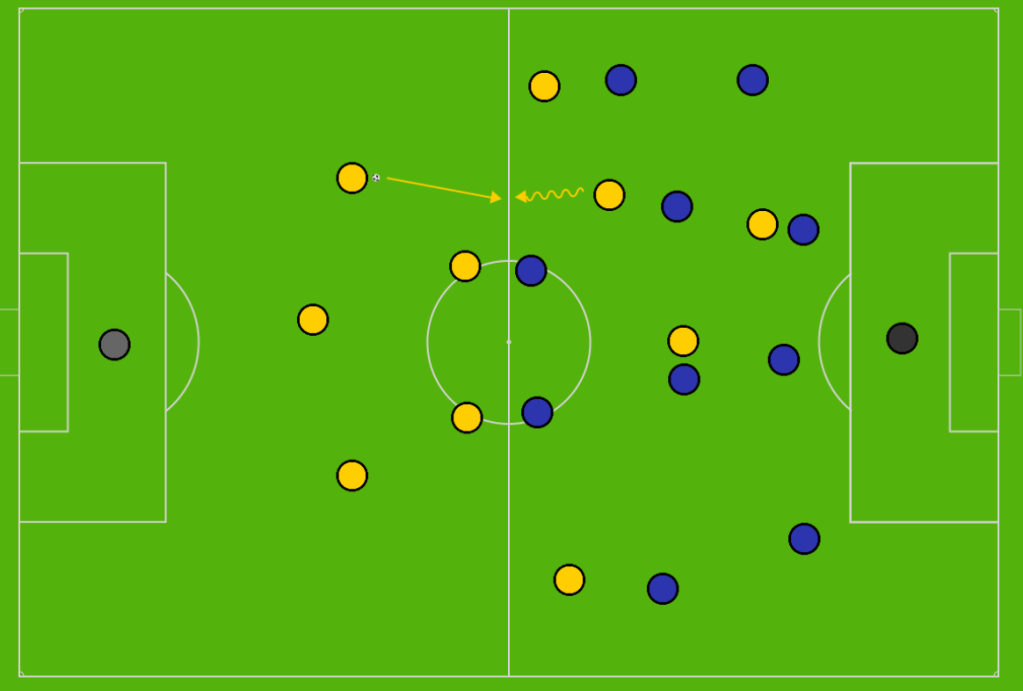
While their defensive stance is pretty standard of a 4-4-2, their build-up is certainly not. Sweden build out from the back using a back-three shape and adapt into a 3-5-1-1, to progress through the lines. Lustig, Lindelof and Danielson make up the back-three, as Augustinsson progresses high and wide on the left. This then allows Emil Forsberg to drift inside, where he will either pick up the ball in between the lines or drop all the way toward his defenders to receive the ball. The two central midfielders will also hang low to attract pressure onto themselves, allowing greater space for Forsberg to receive. Sweden emphasize the left in this build-up strategy, as pictured above.
At times, Lustig will also stay high and wide on the right, allowing Kristoffer Olsson to be part of the back-three instead. But the movement and rotation between Augustinsson and Forsberg always stays the same, as the Leipzig man rarely ever stays wide in these phases. The only other major thing to note about Sweden’s build-up is the occasional movement in deep of the second striker – the one not named Isak. Dejan Kulusevski performed this role in the Round of 16 against Ukraine, but more so to draw players out of position rather than to actually receive the ball. Sweden can keep possession and move the ball around nicely when they want to, they would just rather defend and hit their opposition on the break.
defensive principles
Embed from Getty ImagesWhile Sweden can get forward and strut their stuff, the basis of their group stage triumph has been reliant on their solid defense. Sweden strive to shut up shop and stop teams from progressing through the thirds and breaking lines. Even the strikers have an important role to play when defending, and often stagger themselves to track an opposition number six, without worrying too much about the presence of ball-playing centre-halves.
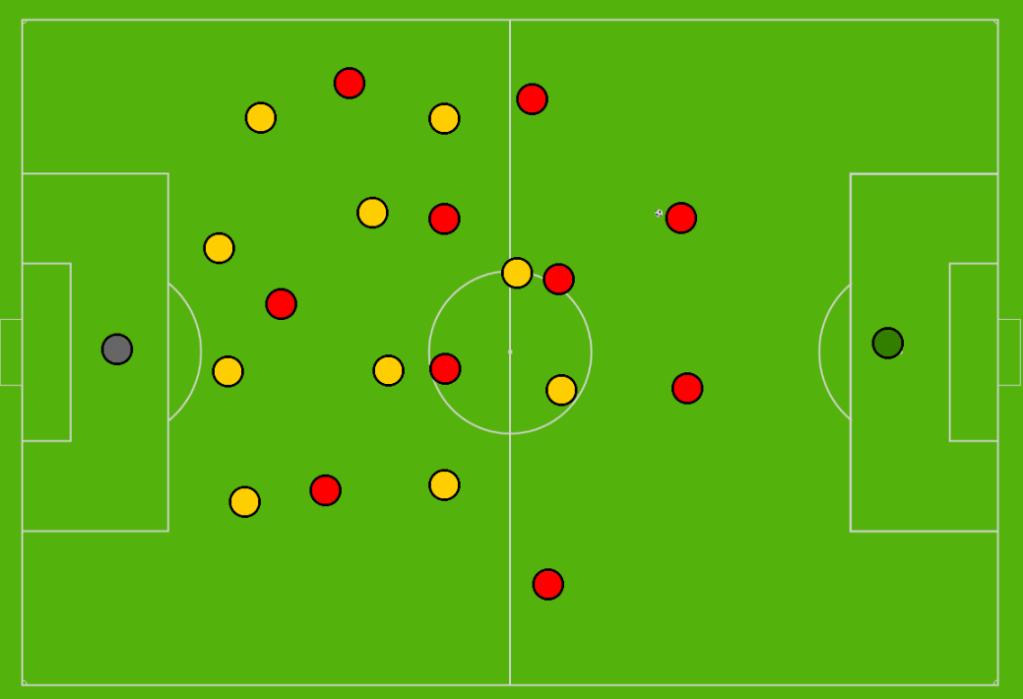
Sweden’s very compact 4-4-2 defense leaves no gaps in central areas for teams to play through, and forces opposition sides to attack around Sweden in the wide areas, and deliver crosses into the box. When we say very compact, we really mean it. If the ball is on one specific side, nearly every single player will also shuffle and position themselves to that side. This includes even far-sided wingers and fullbacks, who look to come to the middle rather than hold their width. On fast switches of play this could be an issue, particularly teams who are good at progressing into the wide areas. But against a team like Spain that were so patient in possession, they were able to shuffle rather seamlessly from side to side.
Embed from Getty ImagesThen within this shape, Sweden are also quite patient in winning the ball back. They look to let their shape do the work, rather than any sort of aggressive pressing to win the ball back on a tackle. In fact no team has completed fewer tackles per game (9.3) than the Swedes. They have however boasted an impressive interception rate of 12 per game, the joint third highest at the tournament, which showcases again the ease at which their shape and shuffling stunts the opposition from progressing vertically. Since teams are often forced wide, Sweden have also conceded the most crosses per game (33). But they’ve matched that wonderfully well, having completed 33.7 clearances per game – the most at the tournament.
Another key tactical note of Sweden’s defense is that their first mechanism for counter-pressing is usually the player that loses possession. If a pass is misplaced by the fullback, it will usually be that fullback who pressures immediately to win the ball back. If the Swedes become unsuccessful at regaining possession, they will resort back into their 4-4-2 shape and shut down the gaps. But their first instinct isn’t just to drop and find their shape again, instead to put pressure on the opposition, and look to win the ball back if they can.
Embed from Getty ImagesAs we progress into the knockout stages, their resilient low-block may mean that opposition teams have better luck breaking them down in transition or set-pieces, where Andersson’s team are given less time to set up. But as far as the group stages go, only Robert Lewandowski’s managed to bag a goal against them…which is a super impressive feat.
attacking principles
Embed from Getty ImagesDespite topping their group, Sweden are by no means a possession-based team. They don’t like to have the ball for very long, and prefer to attack quickly through a very narrow shape. Their wingers will often invert into central areas, and link passes into the penalty area to the two strikers whenever possible.
Embed from Getty ImagesAs the team’s narrowness in defense continues in attack, long balls are a natural fit that help Sweden achieve what they want. They look to engage their attacking players as quickly as they can, and through their narrowness have several options for knock downs and incisive play off the back of these moves. While Sweden had just 15% of the possession against Spain, they had arguably the best chance of the match through this long-passing approach, which eventually set Alexander Isak free on goal. Given that rough start, it’s no surprise then that no team has accumulated less possession at the tournament than Sweden’s shocking 35%. Despite that low amount of the ball, they’ve managed to score 4 goals in 3 games – a testament to their ability to create chances and then take them.
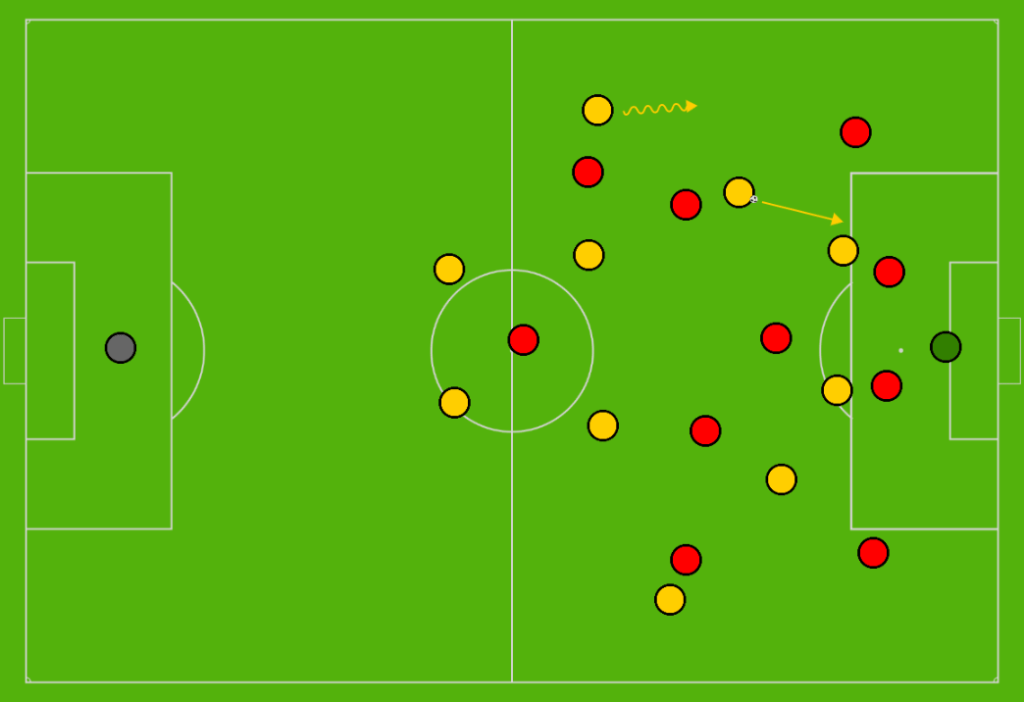
In Emil Forsberg and Seb Larsson, Andersson’s team have two outstanding set-piece deliverers who can then also naturally cross the ball to great effect. Operating in very inverted roles, the fullbacks also often advance into attacking positions to deliver balls into the box themselves and provide some width in an otherwise narrow team. In Dejan Kulusevski the Swedes also have a player with incredible dribbling and running power, which is a massive weapon for them to have as we progress into the Round of 16. They can play long passes into their big, tall strikers all they want, but if they’re having trouble breaking opposition sides down having a player like Kulusevski who can dribble past opponents will also be key. Finally, Alexander Isak has impressed throughout the tournament so far despite not scoring. At 6’4, his footwork and ability on the ball is quite remarkable. It gives him the ability to completely hold off opposition defenders and use his size and strength, while still retaining the ball and getting shots off from difficult situations. Thankfully Sweden haven’t needed his goals to progress, as the likes of Emil Forsberg have stepped up from that front instead.
Embed from Getty ImagesStatistically, their approach is also quite evident. They’ve won the fifth most amount of aerial duels at the tournament (18.7), many of which are won in attack by the front-two on long passes forward. Through these long, risky passes, Sweden have accumulated the worst passing percentage (70%) at the tournament, which is 5% worse than second to bottom Czech Republic. Despite that, their 9.3 shots per game tells a very different story, which plays into the fact that they play into the strengths of their players and look to take chances when they come along. Wasting no time at all in attack has been a significant strength for the Swedes, again having the best chance against Spain despite holding just 15% of the ball.
conclusion
Embed from Getty ImagesSweden have not been one of the most brilliant teams at this summer’s Euros, and topping their group is perhaps in equal part a failure of the other three nations. However, topping a group that many might have pegged them to finish bottom of is still an impressive achievement. Through a very succinct style of play involving narrowness in both attack and defense, Sweden have achieved more than the sum of their parts. They now head into the Round of 16 full of confidence, having only conceded goals to the world’s best striker. How far Sweden can go remains to be seen, but they should be commended for a formidable unbeaten run at the Group Stages of Euro 2020.
So there it is! A tactical analysis of Sweden at this summer’s European Championships. Be sure to check out more of our Tactical Analyses, and follow on Twitter @mastermindsite to never miss an update. Also check out our subscription options if you enjoy this type of content, and keep an eye out for more great Euro 2020 content. Thanks for reading and see you soon!
You might also enjoy…

Ali Ahmed: The £1.4 million steal powering Norwich’s revival
Norwich might not be in the hunt for Premier League football next season, but they are slowly rebuilding their squad back to one that can challenge toward the top of the Championship. And in Ali Ahmed, they didn’t just sign a useful squad player. They may have found their next star.


Sebastian Berhalter has become the Whitecaps’ most important player
With his all-around quality, it’s abundantly clear. Sebastian Berhalter is the Whitecaps’ most important player right now. His performance against Portland was one of the finest individual performances of any player so far this season, and continues to help cement the ‘Caps as one of the most cutthroat teams in the league.
Benjamin Šeško is United’s best striker in years
With four goals in his last five matches, Šeško earned himself the Premier League’s Player of the Month award for February. This, in just 85 minutes of making an impact off the bench. If he can continue to grow from here, the 22-year-old will almost certainly stake his claim as United’s best striker in years.

Why Hugo Ekitiké has worked when so many big money signings have flopped
Every summer, Premier League clubs spend £80m–£100m chasing the next superstar forward. Every season, the league humbles them. But Hugo Ekitiké has been the exception. Ten goals, instant adaptation, and a playing style that personifies Liverpool’s identity. Here is why he’s worked when so many other big-money signings have stalled.

United’s attacking depth the difference against Arsenal
Manchester United may have been second-best for long stretches against Arsenal, but the match ultimately exposed a growing truth about Carrick’s team: they can score from anywhere, at any moment, through anyone. While Arsenal controlled the possession, United’s depth in attack – spread across the squad rather than one star, proved decisive. In a season…

Manchester United 2-0 Manchester City – Match Analysis – Carrick’s first in charge
Manchester United cannot compete with the likes of City, Chelsea or Arsenal by playing a possession-based game. Not at present moment. But they can compete with any team in the league by playing on the counter, and racing forward at high speeds. If United were going to win against City today, it was always going…

Game of Numbers #42 – Scott McTominay as a goal-scoring midfielder
Now in Serie A, Scott McTominay has emerged as one of the most important players for one of the most historic clubs, scoring goals for fun week in and week out. Here is why Scott McTominay has become the main man in Naples.
Why won’t Matheus Cunha pass to Patrick Dorgu?
Matheus Cunha has been one of the brightest spots in what is slowly becoming a dim season for Manchester United. But for all that he’s done so well this season, he’s yet to find a sense of synchronization with a pretty key teammate – Patrick Dorgu. Most notably, he just won’t pass Dorgu the ball.…

Game of Numbers #41 – Reece James in central midfield
It doesn’t have to be a forever thing. But for the time being, Reece James looks right at home in central midfield. Here’s why it’s been the perfect positional switch in allowing the best out of James this campaign.

Unai Emery – Aston Villa – Tactical Analysis – 2025-26 Edition
Since Unai Emery has entered the frame at Aston Villa, we’ve consistently seen another challenger in the mix for those Champions League places. Now on their eleventh win in a row, Aston Villa are having their best season in over a hundred years. The conversation is no longer about whether or not they can challenge…
Game of Numbers #40 – Bruno Fernandes as an ‘8’
They might not be firmly in the top four yet, but Ruben Amorim’s Manchester United have seen significant improvement this season. Much has been made in the media about Amorim’s use of the 3-4-2-1 and whether or not it’s a perfect fit for players like Bruno Fernandes and his midfield partner Casemiro. But with some…
Game of Numbers #39 – Erling Haaland’s backstep before goals
Manchester City have scored 15 goals in the Premier League’s opening 8 matches. Erling Haaland has scored 11 of them. And among many of those goals, a common trend has emerged. I call it – the backstep!
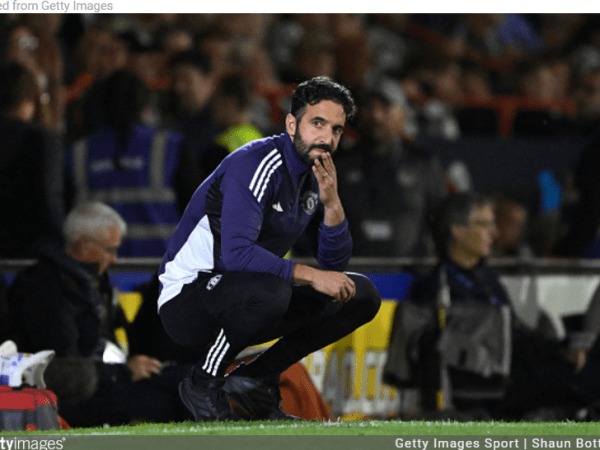
Ruben Amorim – Manchester United – Tactical Analysis – 2025-26
This is a rather optimistic take on the state of Manchester United, amidst much in the way of common criticism and calls for Amorim’s head that will likely continue to circle the media all season long. Here is my tactical analysis of the Red Devils to start the 2025-2026 Premier League season.

Why Brian White scores so many goals
The Vancouver Whitecaps have been flying high this year, and the man at the centre of it all has been their leading scorer – Brian White. I break down exactly why Brian White scores so many goals, and what other forwards learning their trade can take away from White’s scoring record so far in 2025.…

Best Formations for 9v9 – Ebook
9v9 is one of the most exciting stages in the development of young players and can often be the first time they are truly able to understand positioning, formations and how to play to the strengths of their teammates. This Ebook gives coaches an opportunity to learn all the in’s and out’s of coaching 9v9,…
Discover more from TheMastermindSite
Subscribe to get the latest posts sent to your email.
 TheMastermindSite
3 thoughts on “Sweden – Euro 2020 – Tactical Analysis”