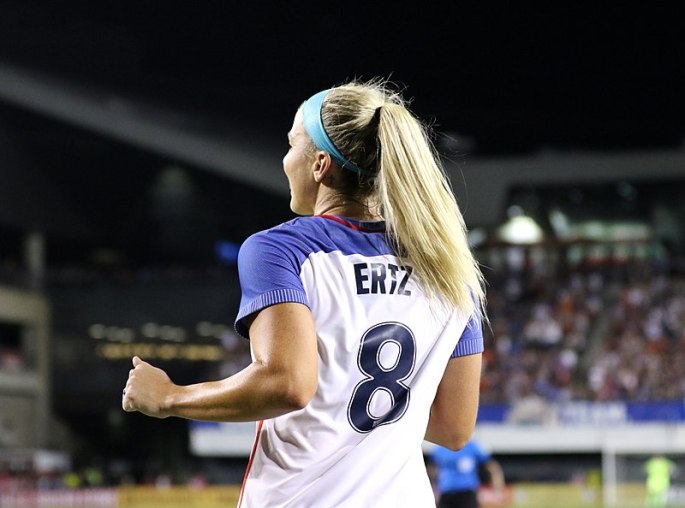
A wing-back, as the name suggests, is a full-back that operates up and down the wing, holding particular importance in attacking phases. They may contribute to the defensive side of the game, and they may even invert into central areas. But wing-backs do their best work down the by-line, where they can deliver crosses into the box, utilize their trickery and skill to go 1v1, and surge up the field through their dynamic pace and timing of movement into dangerous areas. Here is our latest Player Role Analysis.
Tag: Role Continuity
Explaining the Inverted Fullback – Player Role Analysis
Fullbacks are not always the flashiest of players, nor do they garner the greatest attention, even despite their importance to creating and generating chances in the modern game. That is precisely why a system like our Role Continuity Evaluation System works on so many levels, as we are able to adequately assess the important characteristics to a player's performance, while minimizing the scrutinization over less important facets of the player's game. Within the system, we break down full-backs into three broad categories: 'Wide Warriors', 'Wing-Backs', and the topic of today's article - the 'Inverted Fullback'. So with that, we explain the tasks, functions and role of an 'Inverted Fullback' and outline some of the very best in the position in 2022.
Explaining the Defensive Fullback – Player Role Analysis
A 'Wide Warrior' is a full-back who hasn't quite kept up with the modern trends associated with their position. Rather than relying on attacking threat and potency to make their name, the 'Wide Warrior' continues to be an ever-present at the back, doing their best work closer to goal. They excel at the defensive side of the game above all else, even if they may offer certain advantages going forward (like a wing-back), or in half-spaces (like an inverted fullback). Further, not only do they excel at the defensive side of the game, their manager has made clear intentions for that to be the most important facet of their role within the team, restricting their attacking height.
Explaining the Sweeper Keeper – Player Role Analysis
The 'Sweeper Keeper' came to deserved acclaim at the 2014 World Cup, when Manuel Neuer showcased his ability to rush out of his goal, and "sweep" in behind Germany's high-line, almost playing like another centre-back out of possession. Since then, the role of the sweeper keeper has only grown and evolved, becoming a player who is capable in build-up phases, ventures out of their goal to involve themselves in passing sequences higher up the pitch, and completely commands their penalty area by coming off their line and taking control of any situation.
Explaining the Shot Stopper – Player Role Analysis
While formations may exclude the never-changing goalkeepers from their numbering, we could never fail to recognize the importance of goalkeeping in the game. As a result, we start with one of the most scrutinized positions on a football pitch - that of the keeper. We break goalkeepers down into two broad categories - 'Shot Stopper', and 'Sweeper Keeper'. We can then use these classifications to help distinguish between different types of players, and measure accordingly. Today's article is all about the 'Shot Stopper', defining role expectations and answering the soon to be common question of - 'What exactly is a shot stopper?'
Evaluating players based on role continuity
What a player does on a football pitch from a pure on-the-ball event perspective, quantifies only a small percentage of their actual role or influence on a match. What a player does off the ball can often be the key to a good performance, allowing a player to enhance their on-the-ball metrics in the process. So this begs the question - how can you evaluate a player's performance if they weren't really all that involved in the action, but stuck to their specific role perfectly?