

As young players develop their game and often get pigeon-held into certain positions and roles, I often encourage them to develop variety and versatility within the number of roles and positions they can play.
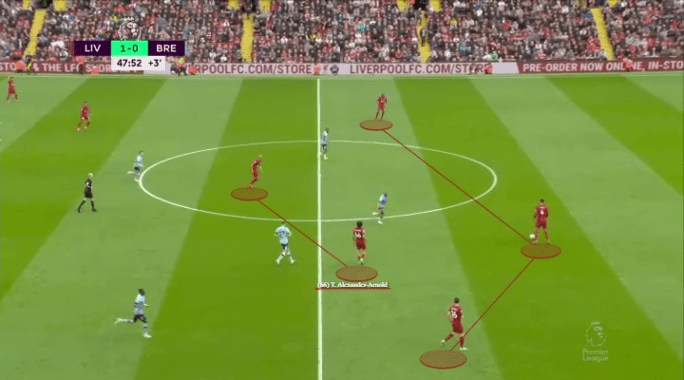
For any footballer playing at the youth or pro level, this is essential. Football is a game played with eleven different players, with each coach/manager setting up their team in what could be a completely different way. In most other sports, you still need to have a variety of skills to achieve success, but you tend to use those skills in just about the same way most games.
Embed from Getty ImagesIn hockey for example, there are only five players on the ice at a time, and it becomes more natural to develop all the necessary requirements to become the best centre or the best winger or the best defensive player you can be, knowing that even at that, most of the skills are highly transferrable between those three positions.
Embed from Getty ImagesThe same goes for basketball. Different skillsets are used in different areas of the court, but there are only five options for positions, and just about every team will play with the same configuration (i.e. one point-guard, one shooting-guard, one centre, and so on).
Embed from Getty ImagesIn football however, the variety of combinations that can exist are simply far greater. Formations can change by the wind, positions are numerous, and even roles within the same positions differ drastically. It’s one of the essential ways in which we evaluate performance – by assessing what actually matters to a player in their role.
Embed from Getty ImagesPlayers might then spend a few years developing their skillsets to fit the mold of one manager’s ideals, both in terms of team style of play and individualistic habits and behaviours, only to fulfill a completely different role (sometimes even position) at a new club. A surprising amount of players will even adopt a different role for their club than their national team. Alexis Mac Allister for example played as a Box to Box attack-minded midfielder for Argentina at the 2022 World Cup, after spending the early stages of the 2022-23 season as Brighton’s ‘Deep-Lying Playmaker’.
Embed from Getty ImagesThat’s just how much different managerial ideals and different configurations of players can lead to tactical tweaks in player roles. But this even happens with teams over the course of the season. It’s the basis behind our Game of Numbers series, and we even wrote an article titled ‘The best role changes of 2022-23 in the Premier League‘ due to the ways managers changed certain functions of a player’s skillset to achieve success.
Embed from Getty ImagesRaphael Guerreiro’s positional shifting perhaps became the biggest example of all, after moving from Dortmund’s up-and-down high-flying left-back to the ‘number 10’ role after both Julian Brandt and Marco Reus found themselves injured. He performed so well in the position that it became difficult to drop him from that role even after the two creative midfielders returned.
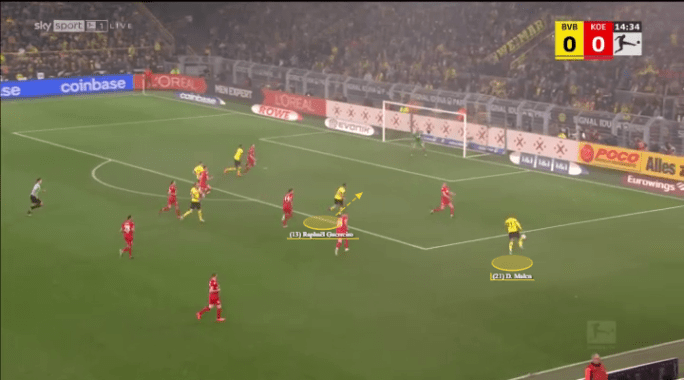
This is why it is so essential for players of any age to be capable of fulfilling a number of different roles, and to have an understanding of the specific requirements in more than just one position.
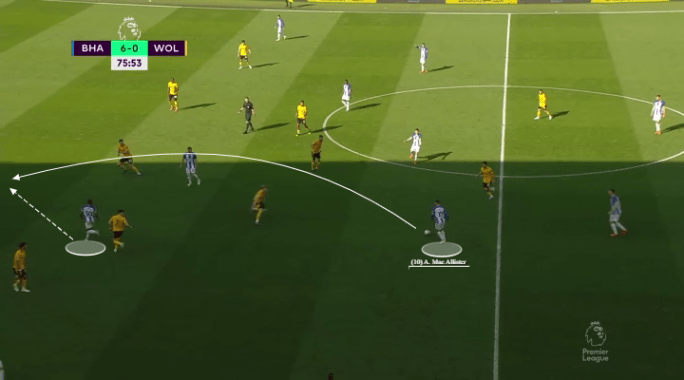
It’s also why coaches at the youth level should not be so stuck in their ways when it comes to only giving a player time to develop skills in one position. Once you are no longer their coach, that player might never play that position again. If they can start from having a pre-existing understanding of some of the necessary requirements at central-midfield, centre-back, and full-back, they will be better set up for success.

They will also be deemed more valuable for their club, because of their ability to now continue to be used in a variety of different ways in a variety of different shapes.
In his first two years at Brighton, Graham Potter would chop and change shape by the game, sometimes even within the game itself. Having a host of players that were capable of fulfilling numerous roles and numerous positions allowed Potter to better adapt to the opposition each game.
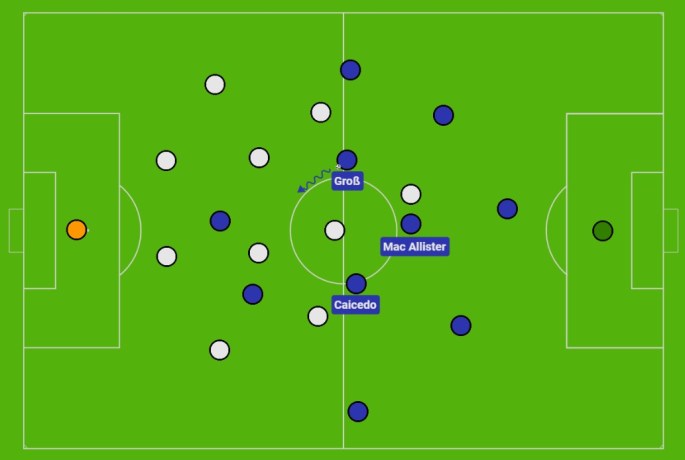
By the time the bulk of his players became good enough where they could match even the best in the league, Potter could then maintain a more rigid set of principles, even if continuing to adapt player roles over time. He then only needed to make smaller tweaks when it came down to which principles would be emphasized in which moment, whilst always knowing he could adapt.
Embed from Getty ImagesAs the 2023 transfer market unfolds, we’ll likely only continue to see versatile stars priced at higher value points. Many of the big name transfers thus far are not just capable of playing in one specific role, but could be seen in a number of different jobs. The likes of Alexis Mac Allister, Mason Mount, Jill Roord and Ashley Lawrence inherently become more valuable to their teams because of that versatility.
Embed from Getty ImagesEach of them have become ‘versatile’ over the years through their own willingness to develop different skillsets and build upon their weaknesses. But also through the willingness of coaches to test the waters with these players operating in a number of different roles. In our World Cup Preview, we spoke about how while Ashley Lawrence is likely to play full-back for Canada, the fact that she can play further up the pitch or in central midfield makes her a tremendous asset depending on the moment in match.
Embed from Getty ImagesThe same goes for Manchester United’s signing of Mason Mount. He can fulfill the possession-heavy role he’s been brought into achieve, whilst also helping to facilitate United’s quick attacking transitions in four different positions. When you’re then playing two games a week at the highest levels of professional football, having that capacity arguably becomes even more imperative. It simply gives a manager more options when players become fatigued, injured, or even when more strategically and systematically switching players around depending on the opposition.
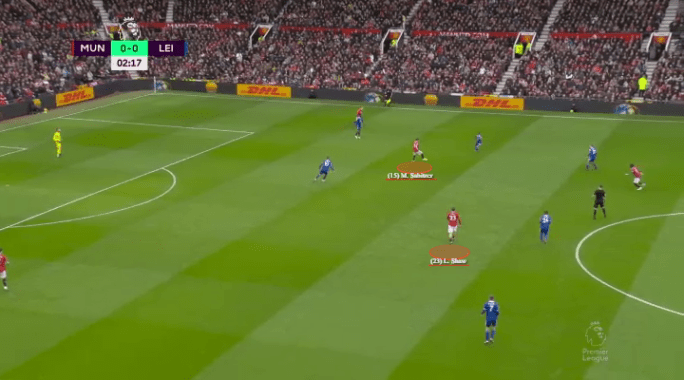
As young players are developing their games, it therefore becomes imperative that they are willing to develop their versatility in playing a number of different roles. I encourage young players to ask their coaches questions about how the coach sees their role on the team, how they can do better in that role, and the opportunities for them to learn more about different roles through increased experience.
Embed from Getty ImagesI also encourage coaches to continue giving players exposure in more than just one position or role, and to keep in mind that their principles of play will not be the same as the coaches those same players have in the future. Giving players exposure to a wide variety of positions and roles simply sets them up for better success as they progress in their development.
YOU MIGHT ALSO ENJOY…
Chaos vs. Control: A Collision of Principles
Some like to approach games in a disciplined structure, intentionally and meticulously dictating games to their own tempo. Others opt for a more emotionally-charged philosophy, reliant on the belief, energy and willpower of their trusted eleven on the field.


Game of Numbers #37 – Forge FC’s use of centre-backs in midfield like Manchester City
For the unfamiliar, Forge FC are the Manchester City of the Canadian Premier League. They play a possession-based 4-3-3, stacked with ball-savvy savants, and a culture that embodies winning. The Canadian Premier League’s been around since 2019 now. Forge have won the Playoffs in four of the five seasons, and lost the final in the…


Why centre-backs are becoming fullbacks: The tactical trend that defined 2023
It might be wrong to credit this tactical approach to Pep Guardiola. After all, the origin story to the ‘fullback’ is because the defender was fully back. However, in operating with a centre-back that steps up into midfield, Guardiola also created a construction within his team that regularly positioned centre-backs out wide. From then on,…
Discover more from TheMastermindSite
Subscribe to get the latest posts sent to your email.
 TheMastermindSite